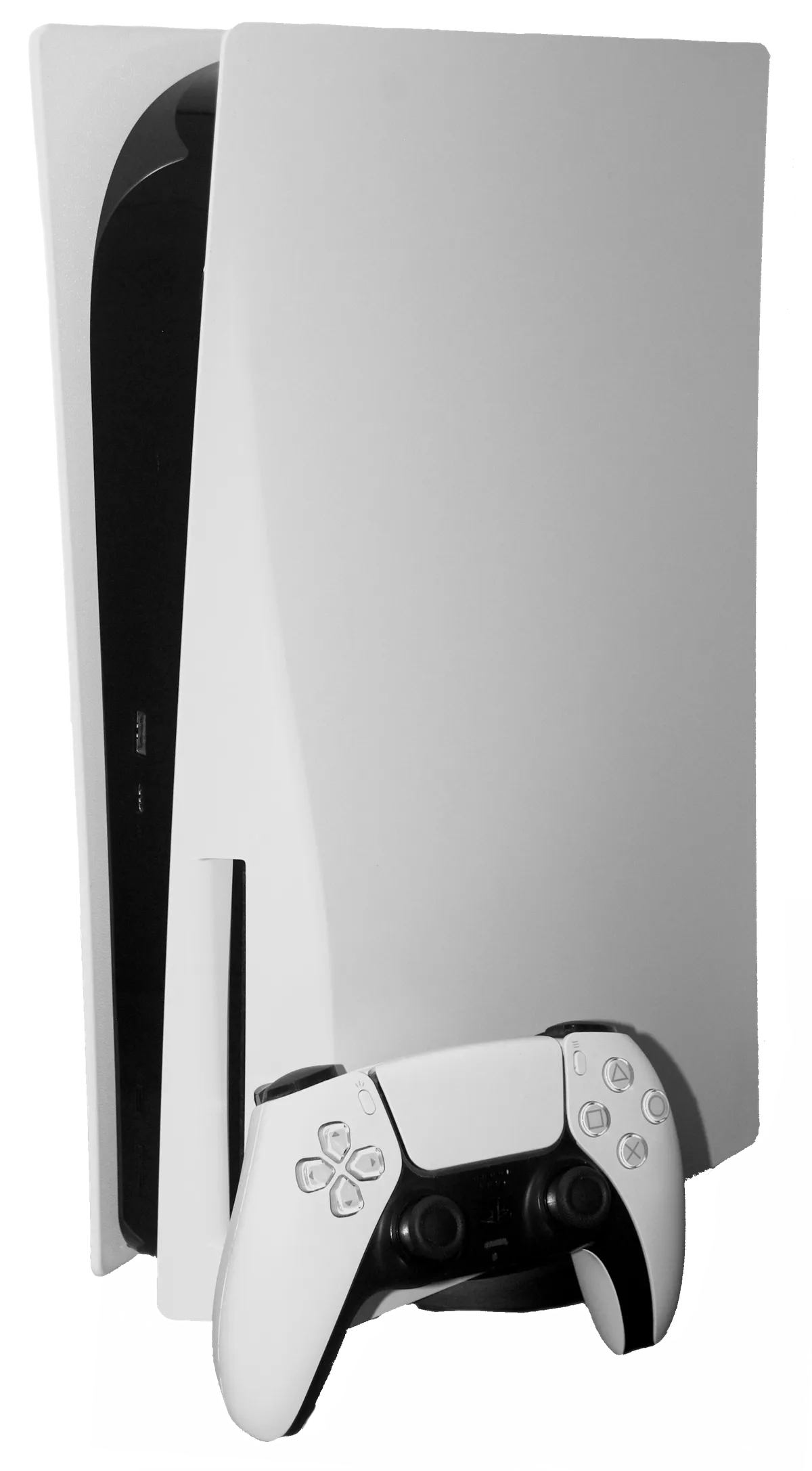
The persistent hum—or worse, the aggressive, jet-engine whine—of a PS5 Pro isn’t just a nuisance; it’s an early warning system. When your console displays a system message indicating an "Internal Fan Error" or simply shuts down during a high-fidelity session of Cyberpunk 2077 or Dragon’s Dogma 2, much like the PS5 Pro Error CE-108255-1: How to Fix This Game-Crashing Issue, the culprit is almost certainly thermal throttling caused by localized dust accumulation. While the Pro model benefits from refined airflow dynamics, it remains a high-TDP machine that acts as a domestic vacuum cleaner for microscopic debris, a common issue found when asking Is Your PS5 Slim Overheating? The Real Reason It Collects Dust.
If you’re seeing the warning, your console is struggling to pull heat away from the custom SoC. Fixing this isn’t just about "blowing air in"; it’s about understanding the internal aerodynamics of the chassis and knowing when you’ve crossed the line from a user-serviceable fix to a warranty-voiding catastrophe.
Understanding the Thermal Architecture and <a href="https://www.amazon.com/s?k=PlayStation%205&tag=gunesseo-21" rel="sponsored noopener" target="_blank">PlayStation 5 Pro Cooling Dynamics
The PS5 Pro operates on a delicate balance. Its internal fan isn't merely a cooling component; it is the primary vector for heat dissipation in a machine that pushes significantly higher clock speeds than the base model. The cooling solution relies on a centrifugal fan pushing air through a dense heatsink matrix. When dust—specifically the composite of skin cells, fabric fibers, and static-charged pet dander—settles on the fins of this heatsink, it creates a "felt" barrier.
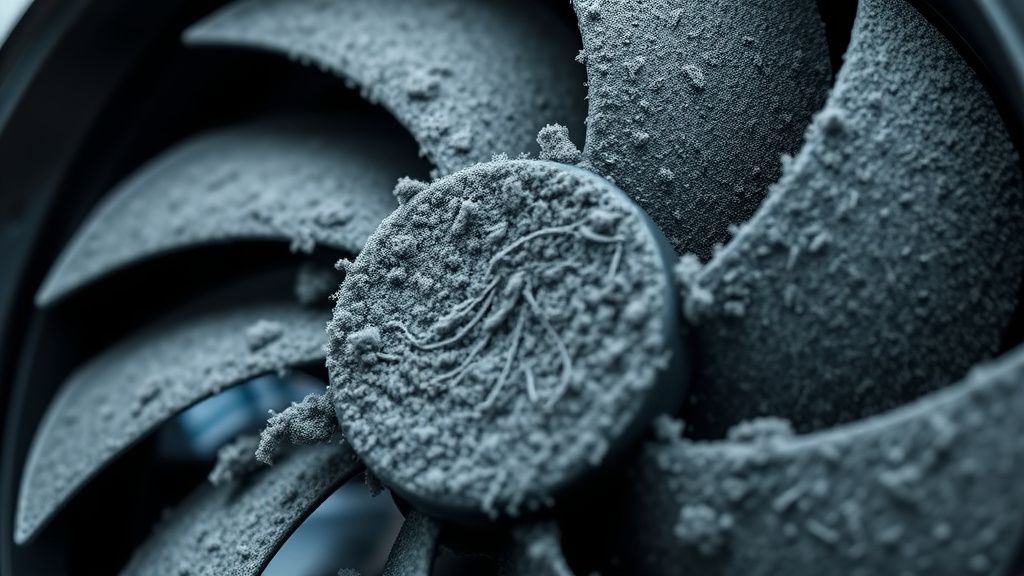
In practice, this blockage creates an "operational cliff." The thermal sensor, usually pinned to the main processing unit, detects a spike, causing the BIOS to ramp the PWM (Pulse Width Modulation) signal to the fan. When the fan hits its ceiling, it cannot move the required volume of air, leading to the thermal emergency shutdown. Users on subreddits like r/PS5Repair often report that the system "feels" hot to the touch long before the shutdown occurs, proving that the chassis is acting as a heat soak rather than an exhaust port.
The Reality of Dust Accumulation: Why Standard Maintenance Fails
Many users attempt to solve this by pointing a can of compressed air at the external vents. This is a common, yet fundamentally flawed, "workaround culture" behavior. If you blast air into the intake vents while the console is assembled, you are likely just compacting the dust bunnies against the back of the heatsink fins.
Technicians often refer to this as "dust-packing." You aren't clearing the blockage; you’re effectively turning the heatsink into a brick. To actually clean a PS5 Pro, you must bypass the user-removable faceplates and access the designated "dust catchers" or, for advanced users, the fan housing itself.
The Engineering Compromise: Why Design Decisions Lead to Fan Errors
Sony’s design intent was aesthetics—curved, monolithic panels that define a modern living room. However, this aesthetic imposes a tax on airflow. The air intake channels are narrow and prone to clogging because they are positioned near the floor, where dust density is statistically highest.
- The "Clean vs. Dirty" Loop: The console’s software doesn't actually "know" if it’s clean; it only knows the fan’s RPM vs. the CPU temperature. If the fan is spinning at 4,000 RPM but the temperature is still climbing, the system assumes a blockage.
- False Positives: There have been instances—logged in various GitHub issues concerning custom fan controllers and community hardware diagnostics—where a failing fan bearing reports a "fan error" even when the console is surgically clean. If you clean the dust and the error persists, you are likely dealing with a mechanical bearing failure, not a blockage, a troubleshooting step not unlike addressing PS5 DualSense Stick Drift: Why It Happens and How to Actually Fix It.
Real Field Reports and Community Sentiment
A scan of Discord server channels dedicated to hardware modding reveals a distinct frustration with the current PS5 Pro maintenance cycle. Users note that while the "dust-catcher" holes are a welcome addition from the original PS5 design, they are often insufficient for homes with carpet or pets.
"I vacuumed the intake holes and used canned air for five minutes. The error stopped for two days, then came right back during a Final Fantasy VII Rebirth session. I finally cracked it open and realized the dust had just moved from the front of the intake to the back of the fan cage. It’s like cleaning a dryer vent from the wrong side." — Verified User Post, Hardware Modding Discord
This sentiment is echoed across the Ars Technica hardware forums, where the consensus is clear: the PS5 Pro demands a proactive approach. Waiting for the error code to appear means the system has already been running at sub-optimal thermal ranges for weeks, potentially causing premature degradation of the thermal paste—or in the case of the Pro, the liquid metal interface.
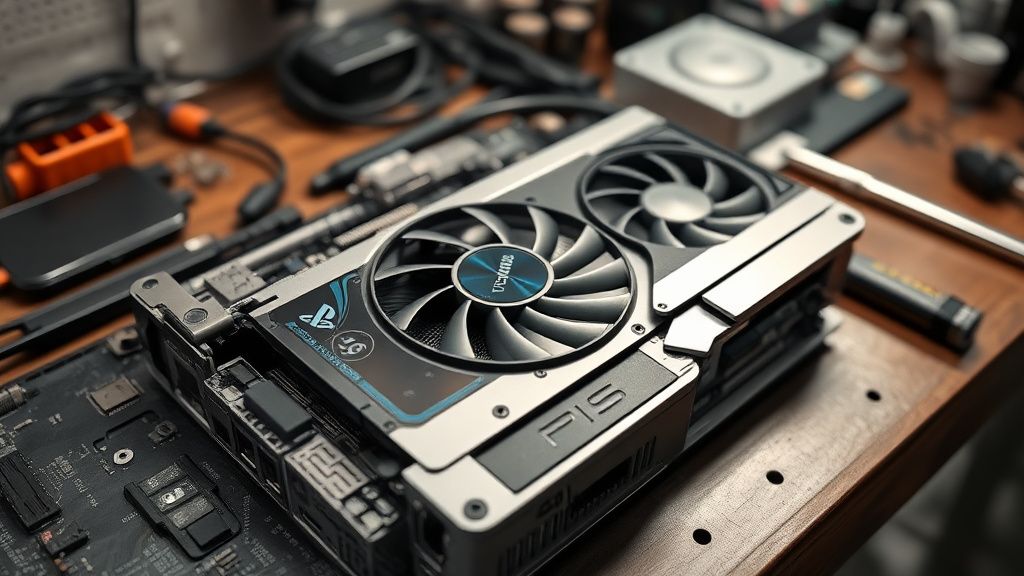
Step-by-Step: The Maintenance Protocol
If you are committed to resolving this yourself, treat this as a surgical procedure.
- Preparation: Power down completely. Unplug. Wait 10 minutes for residual current to dissipate.
- Panel Removal: The faceplates are friction-fit, but they are fragile. Use firm, even pressure. Do not pry at the corners where the plastic is thin.
- The Fan Access: Unlike the original model, the Pro requires a specific torque driver (T8 Security Torx) to remove the fan cage. If you don't have the correct bit, you will strip the screw—this is the single most common "fail point" for DIY users.
- Cleaning: Use a high-quality, fine-bristle anti-static brush and a low-pressure compressed air source. Do not use an air compressor; the air pressure is too high and can cause the fan to spin backwards, inducing a voltage spike that can fry the fan’s controller chip.
The "Liquid Metal" Myth vs. Reality
A frequent debate in the community is whether a fan error requires a full teardown and repasting of the liquid metal. It almost never does. Liquid metal is a closed-system component on the PS5 Pro. Unless you are an expert, opening the heatsink to "re-apply" liquid metal will likely lead to short-circuiting the board if the metal spills. Stick to the fan and the heatsink intake.
Counter-Criticism: Is the Hardware Too Fragile?
Critics argue that the PS5 Pro’s susceptibility to dust is a design oversight. Industry analysts have pointed out that while the performance boost is significant, the cooling headroom is razor-thin. When you push silicon to its thermal limit, there is no margin for error. If the console is placed in an enclosed media cabinet—a classic user mistake—the intake temperature rises, the fan spins faster, and dust is pulled into the machine at a higher velocity.
Is the console "flawed"? No. Is it "sensitive"? Absolutely.
Troubleshooting and Scaling Issues
When the PS5 Pro enters a thermal shutdown, the error isn't logged in a permanent "black box" that the user can read via the UI. This is a deliberate policy choice by Sony to prevent users from tampering with logs.
If you find that your fan is making a clicking sound, do not attempt to lubricate the bearing with WD-40. The oil will attract dust and eventually gum up the mechanism, causing a complete seizure of the motor. The only acceptable "fix" for a failing bearing is a replacement fan unit.
Managing the "Workaround Culture"
Because official support (RMA) takes weeks and involves shipping the console back to a service center, a "workaround culture" has emerged. We see users installing custom 3D-printed fan shrouds or external USB-powered cooling fans. While these look "cool" on social media, they often disrupt the internal laminar airflow design of the PS5 Pro, creating dead zones in the heatsink where heat stays trapped. Avoid these aftermarket accessories unless they are backed by reputable thermal testing data.
FAQ
Why does my console warn me of a Fan Error only during intensive games?
Is it safe to use a vacuum cleaner on the PS5 Pro vents?
If I open the fan, does it void my warranty?
How often should I perform this maintenance?
Does a vertical stand make the dust issue worse?
Can I replace the fan with a third-party, higher-RPM fan?
Conclusion: The Maintenance Necessity
The PS5 Pro is a triumph of engineering, but it is not a "set it and forget it" appliance. It is a high-performance computer that lives in an inherently dirty environment. Recognizing that the Fan Error is a symptom of environmental impact rather than a defect is the first step. By treating the console with the same level of care you would a high-end gaming PC—regular, intentional, and gentle maintenance—you can avoid the operational cliff that leads to hardware failure. The system will tell you when it’s struggling; it’s up to you to listen before the silence becomes permanent.
Bu makale affiliate linkleri içermektedir.