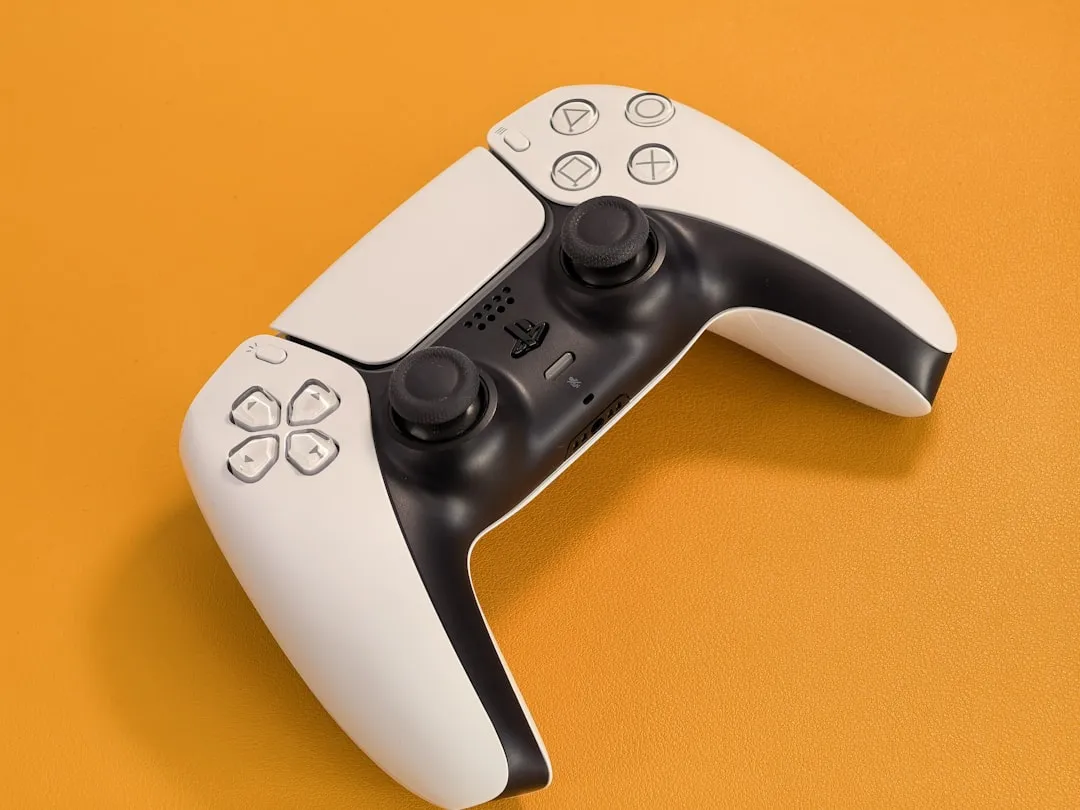
Stick drift is the silent killer of the modern gaming experience. It is the creeping, insidious movement of your character’s reticle or camera that begins as a barely perceptible "ghost input" and eventually renders a $700 console-grade peripheral into an expensive paperweight. For a comprehensive guide on PS5 DualSense Stick Drift: Why It Happens and How to Actually Fix It, delve deeper into the mechanics and solutions. When it happens on a standard controller, it is annoying; when it happens on a premium-tier device like the PS5 DualSense Edge or the PS5 Pro-targeted controller iterations, it feels like a systemic betrayal of the value proposition.
If you are experiencing drift, the immediate, actionable reality is this: The problem is almost exclusively mechanical wear within the potentiometer modules. You can temporarily mitigate it via deadzone adjustments in the PS5 system settings, but true resolution requires either a clean-contact intervention (IPA application) or a full hardware component replacement of the joystick module itself.
The Architecture of Failure: Why Hall Effect and Potentiometers Struggle Under Load
To understand why your controller is "walking" on its own, you have to look at the internals of the DualSense analog stick assembly. The industry standard for decades has been the carbon-track potentiometer. Imagine two metal wipers brushing against a circular carbon film track. Every time you push the stick, those wipers grind against the track. Over thousands of hours of Call of Duty or Elden Ring—games that demand aggressive input—those wipers shave off microscopic amounts of carbon dust. Just as controller components can suffer from dust accumulation, maintaining a dust-free PS5 Pro is crucial for overall system health and longevity, preventing issues like fan errors and overheating.
This conductive dust settles inside the housing, creating "ghost" electrical resistance. The console’s firmware interprets this stray voltage as user input, leading to the erratic movement you see on screen. It is not necessarily "broken" in the sense of a shattered gear; it is dirty and physically degraded.
The Hall Effect vs. Potentiometer Debate
There is a massive amount of "hype vs. reality" surrounding Hall Effect sensors—magnetic sticks that allegedly never drift. The current industry controversy is that while Hall Effect modules do remove the physical friction of wipers on carbon tracks, they are susceptible to magnetic interference and factory-calibration drift. Many users on r/Controller and various technical Discord servers argue that Hall Effect is a "miracle cure," but field reports from competitive players suggest that without extremely precise magnet alignment, you trade one type of drift for "centering issues."
Diagnosing the "Ghosting": Software vs. Physical Failure
Before you pick up a screwdriver, you must distinguish between calibration drift and physical degradation.
- Deadzone Sensitivity Check: Navigate to the PS5 Accessories menu. If increasing the deadzone to 10% completely eliminates the drift, your potentiometers are likely just slightly dirty or aged.
- The "Snapback" Test: Does your reticle return perfectly to center after a flick? If it overshoots, you are dealing with mechanical tension loss in the spring—a much harder fix than simple dust-related drift.
- The Humidity Factor: If you live in a high-humidity environment, conductive residue can bridge contacts, making the drift significantly worse during summer months. This is a common, rarely discussed "edge-case" that support agents rarely acknowledge.
Field Report: The IPA Cleaning Mythos vs. Reality
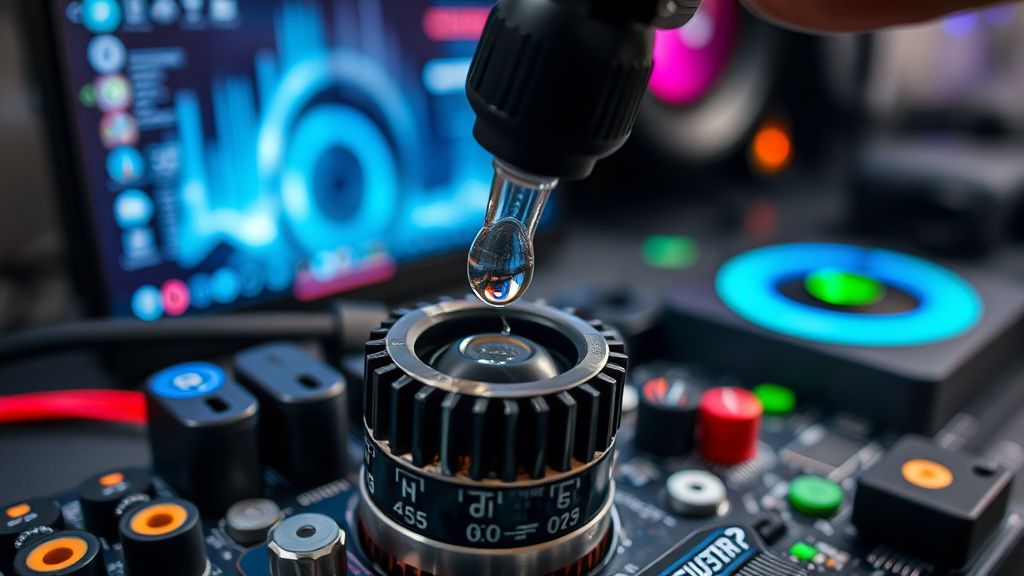
For years, the internet has touted the "Isopropyl Alcohol (IPA) fix." The procedure is simple: pop the stick, drip 99% IPA into the housing, swirl it around, and let it dry.
The Reality: This works for about 30% of users. It flushes out the conductive carbon dust. However, it also strips the factory-applied lubricant from the internal gears. After a few weeks, the friction increases, leading to a "gritty" feeling in the stick. If you use less than 99% IPA, you risk oxidizing the copper contacts, which will accelerate the death of the module.
Advanced DIY Repair: The Desoldering Protocol
If cleaning fails, the only "evergreen" fix is replacing the potentiometer or the entire module. This requires moderate to high soldering proficiency. If you lack experience, you are more likely to lift a trace from the PCB than to fix the drift.
Tools Required for Professional-Grade Repair
- Soldering Iron: 30W-60W with a fine tip (Hakko or similar).
- Desoldering Pump: Essential for removing the 14-pin cluster of the joystick module.
- Flux Pen: Non-negotiable. Do not attempt to solder without it.
- Replacement Module: Ensure you are buying the correct revision (e.g., Alps vs. generic replacements).
The Step-by-Step Logic
- Chassis Disassembly: The DualSense architecture is notoriously difficult to open without breaking the plastic retention clips. Use a plastic spudger, not a metal screwdriver.
- Board Exposure: Once the vibration motors and triggers are cleared, you reach the main logic board. This is where most DIYers fail; the heat required to desolder the module can easily delaminate the PCB if you linger too long.
- Module Extraction: Apply leaded solder to the joints first to lower the melting point of the lead-free factory solder. This is a pro-tip that saves boards.
- Re-calibration: Post-installation, the new module may not be perfectly centered. You will need to account for this in software if the internal firmware doesn't allow for a "factory reset" of the analog sensors.
Counter-Criticism: Why Modern Controller Engineering is "Fragile by Design"
There is a massive community backlash against current console manufacturers regarding their refusal to implement modular sticks as a standard feature, not a premium one.
"It feels like we are paying $700 for a device where the components are engineered for an 18-month shelf life. When I hear 'Pro' on a controller, I expect user-serviceable parts, not proprietary soldered modules that require a PhD in micro-soldering to swap." — Comment from a highly-upvoted thread on r/PS5Modding regarding joystick longevity.
This is not just consumer saltiness; it is a structural critique. The move toward integrated, non-modular joystick assemblies is a cost-cutting measure disguised as a structural design choice. When the module is permanently soldered to the PCB, the cost of repair in a professional service center often exceeds the value of the unit, creating a "planned obsolescence" cycle that environmentalists and hardware enthusiasts have been flagging for years.
Dealing with Fragmentation: Different Revisions
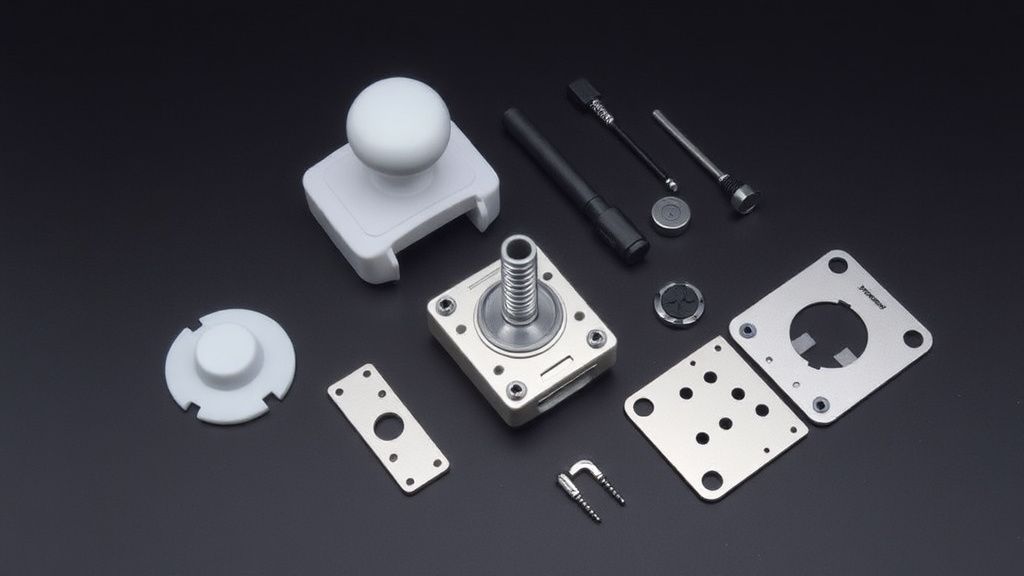
One of the most dangerous traps for a DIYer is the "revision issue." Sony has updated the internal components of the DualSense controller multiple times since launch. An internal joystick module from a 2021 model may not have the same footprint or pin-height as a 2024 "Pro" model. Always check the model number on your internal PCB before ordering parts. Using the wrong part will result in a controller that fits together but has "dead zones" you cannot tune out because the physical geometry is slightly off.
Long-term Maintenance: The "Workaround" Culture
Since repair is invasive, many users have adopted a "culture of workarounds." This includes:
- Deadzone Padding: Setting controller sensitivity in-game (e.g., in Apex Legends or Valorant) to ignore inputs below a 10-15% threshold. While this hides the drift, it ruins precision in long-range engagements.
- Tension Mods: Some players install heavier springs to prevent the stick from ever truly returning to the "slack" position where drift is most apparent.
- Protective Skins: Using thumbstick covers to prevent debris (skin cells, dust, Dorito crumbs) from falling into the potentiometer housing.
None of these solve the fundamental physics of the problem, but they delay the inevitable.
FAQ
Is it normal for a new controller to have stick drift?
How often should I clean my analog sticks to prevent drift?
Does "resetting" the controller actually help with drift?
Is it worth upgrading to a Hall Effect module?
Why do some controllers drift in one direction more than others?
Final Thoughts: The Path Forward
The "Pro" controller landscape is currently in a state of flux. We are seeing a slow transition toward modular, hot-swappable stick units (like those seen on some high-end third-party controllers), but the mainstream hardware ecosystem remains locked in an era of fragile, soldered sensors.
Your best defense against drift is a combination of mechanical care (keeping your environment clean) and the knowledge that if you do need to fix it, you are stepping into a domain of micro-electronics that requires patience, proper tools, and the acceptance that hardware is, inherently, a perishable good. Don't be afraid to open the shell, but respect the sensitivity of the PCB beneath—the difference between a functional controller and a piece of plastic junk is often just one steady hand during the desoldering phase.
Bu makale affiliate linkleri içermektedir.