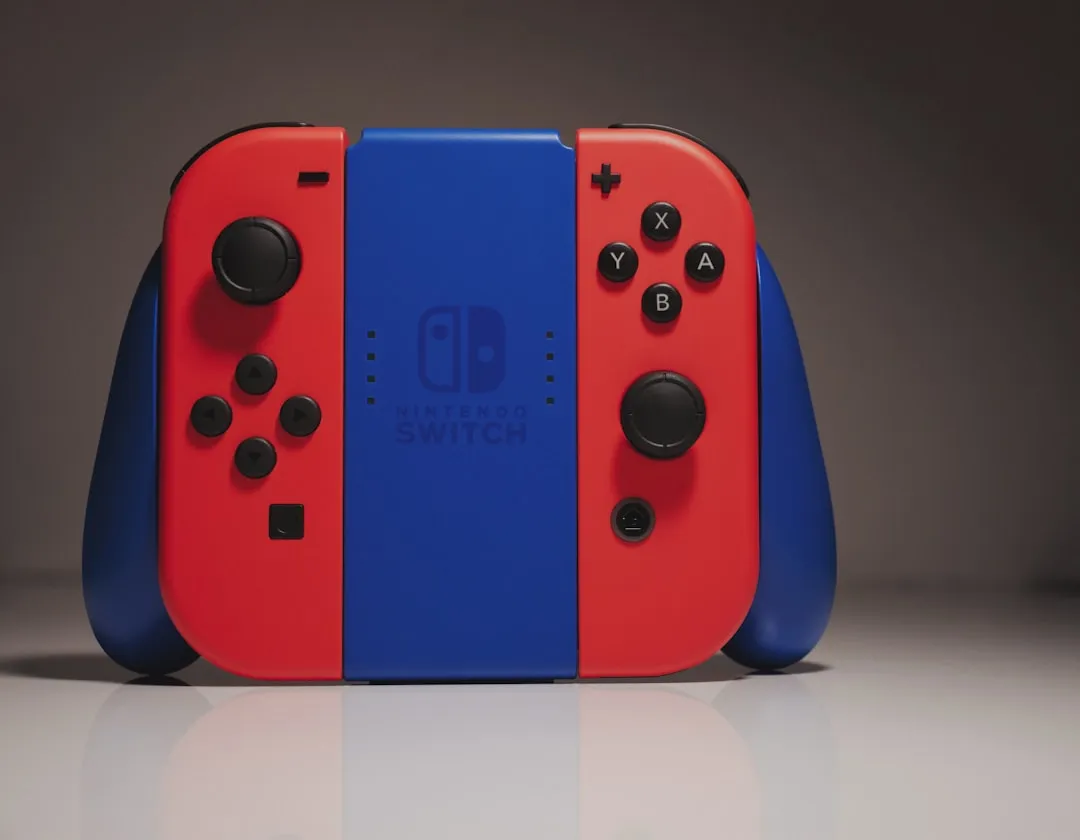
The Nintendo Switch "Joy-Con drift" phenomenon is perhaps the most significant mechanical failure in modern console history, a problem not exclusive to Nintendo given PS5 DualSense stick drift issues. It is not merely a bug; it is an industrial design oversight that transformed millions of premium controllers into semi-functional paperweights, a testament to hardware vulnerabilities also seen in issues like Nintendo Switch OLED burn-in. If your character walks on their own or the camera pans into the sky without input, you are experiencing a wear-and-tear failure of the internal conductive materials inside the joystick module. While Nintendo offers a repair program, the permanent DIY fix involves either rigorous internal cleaning or a complete replacement of the analog module.
Understanding the Mechanical Failure: Why Potentiometers Fail Under Friction
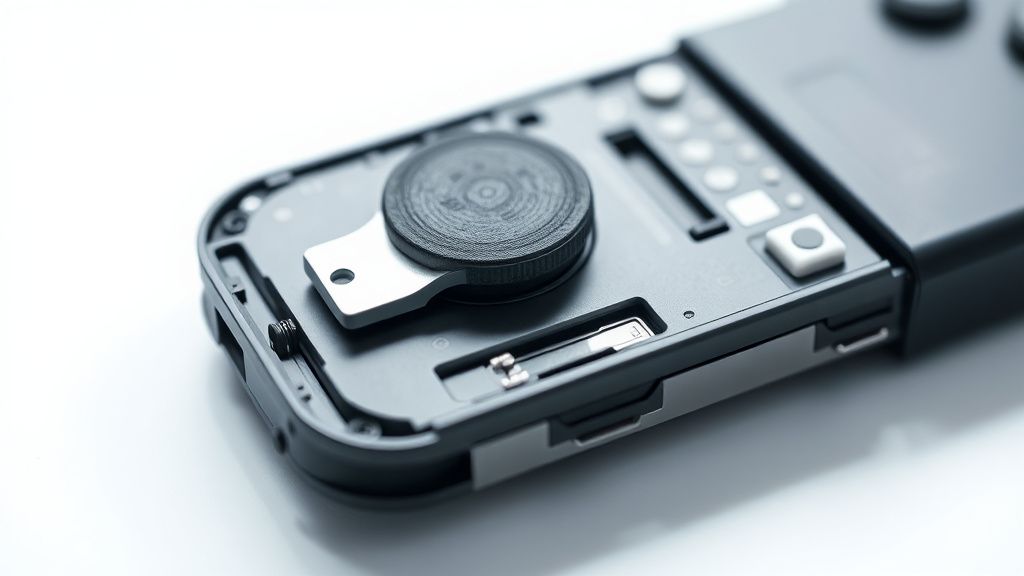
To understand why drift happens, one must look past the plastic shell. The Joy-Con joystick utilizes a pair of variable resistors—potentiometers—to translate physical stick movement into coordinate data. These potentiometers rely on a circular track of conductive carbon ink and a metal wiper that slides across it.
The fatal flaw is the sheer proximity of these components and the materials chosen. Over time, the metal wiper physically scrapes the carbon ink off the track. The microscopic debris from this erosion doesn't just vanish; it settles inside the housing, creating "ghost" electrical signals. Because the controller’s firmware is constantly polling for stick position (often at a high refresh rate), these tiny variations in resistance are interpreted as intentional inputs.
The Reality of DIY Repair: Maintenance vs. Total Replacement
When you scour forums like r/NintendoSwitch or specialized GitHub repositories for controller modding, you will see a divide in the community: the "Cleaners" vs. the "Replacers."
- The Cleaning Method (The Stopgap): Using isopropyl alcohol (90%+) and a cotton swab or a precision contact cleaner (like DeoxIT) to flush out the debris. This works for many, but it is rarely permanent. The carbon ink has already been physically compromised; you are simply clearing the dust. Expect the drift to return within 3–6 months.
- The Module Swap (The Permanent Fix): This involves desoldering (if necessary) or, more commonly, unseating the ribbon cable and replacing the entire joystick daughterboard. This is the only way to reset the physical wear on the sensor tracks.
Navigating the Internal Anatomy of the Joy-Con
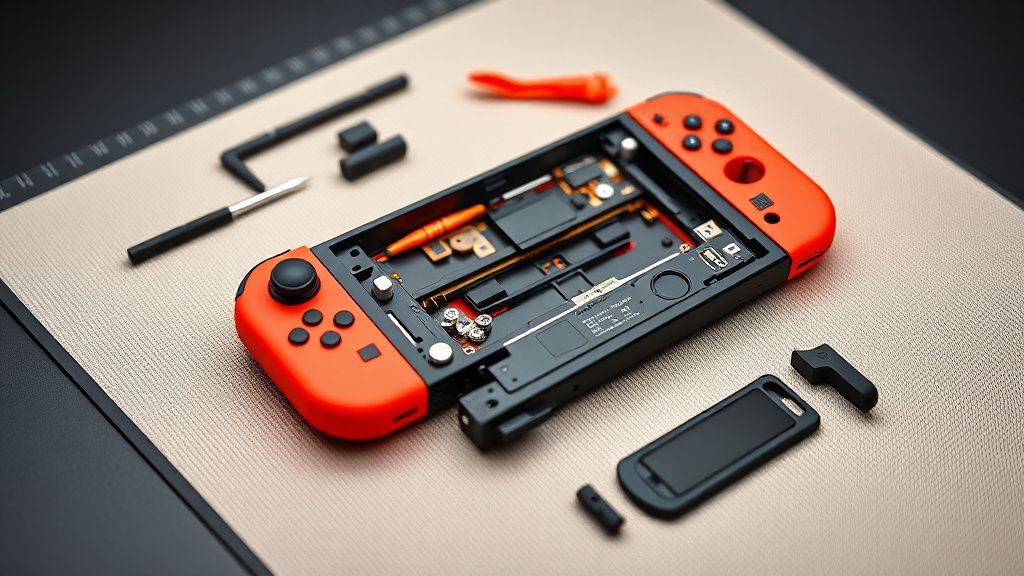
Before opening your controller, acknowledge the "operational friction." The Joy-Con is a nightmare of micro-engineering. You are dealing with:
- Tri-Wing Screws: Nintendo uses proprietary Y-shape screws to discourage user repair. You need a high-quality Wiha or iFixit tri-wing driver; cheap metal drivers will strip these screws instantly, turning a 20-minute repair into a "drill-out-the-casing" disaster.
- Fragile Ribbon Cables: The internal flex cables are thinner than paper. They are notorious for tearing if you tug too hard. The ZIF (Zero Insertion Force) connectors are equally temperamental.
Operational Risks and Institutional Failures
Why does this keep happening? Industry analysts point to a "race to the bottom" regarding component cost vs. physical volume. The Joy-Con is an engineering marvel of density—fitting haptics, IR sensors, batteries, and wireless radios into a sliver of plastic. To achieve this, the analog sticks had to be miniaturized to an extreme degree.
However, the lack of a protective seal meant that dust and moisture ingress were inevitable. When we look at community threads on Hacker News, a recurring critique is the lack of "field-serviceability." Nintendo designed the Joy-Con as a closed system, banking on a model where the consumer replaces the entire controller rather than the joystick. This is the core of the controversy: the hardware is built with a planned obsolescence that the aftermarket community has been forced to "patch" via third-party parts.
Evaluating Third-Party Hall Effect Sensors
The current trend in the enthusiast scene—often discussed on forums like r/consolerepair—is the shift toward "Hall Effect" joysticks. Unlike standard potentiometers that rely on physical contact, Hall Effect sensors use magnets to detect position. Because there is no physical scraping, there is theoretically zero carbon track degradation.
The Reality Check:
- The Hype: "Never drift again."
- The Reality: These sensors require calibration. If you install a cheap Hall Effect stick, you may find that the center deadzone is non-existent, leading to a different kind of "snap" back to center that feels unnatural compared to the OEM (Original Equipment Manufacturer) parts. Furthermore, cheap sensors can interfere with the wireless signals of the Joy-Con if not properly shielded.
Step-by-Step: The Surgical Approach to Joystick Replacement
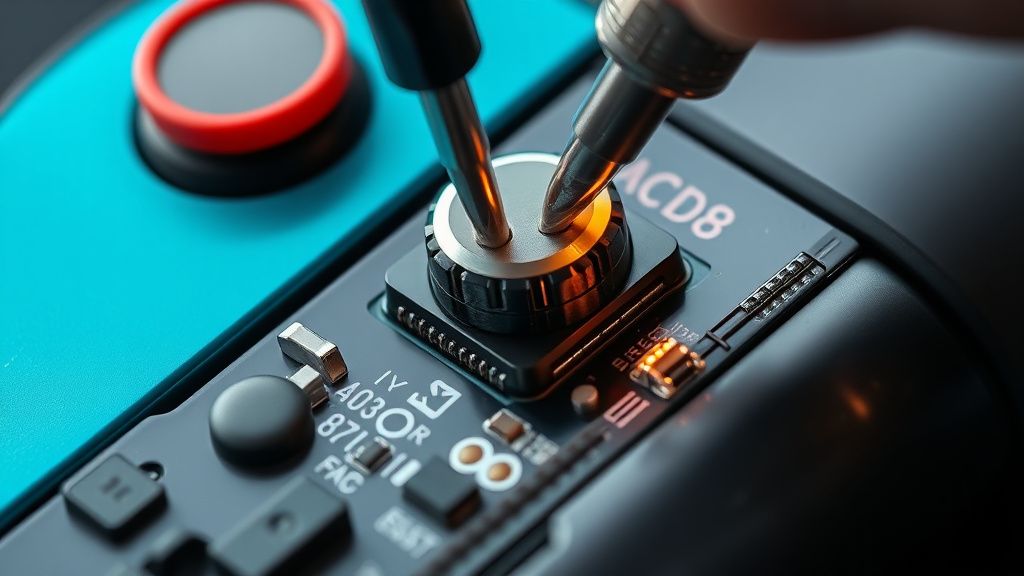
If you decide to proceed with a replacement, ignore the "quick hacks" like blowing compressed air into the stick (which often pushes debris deeper). Follow this workflow:
- Safety First: Disconnect the internal battery ribbon cable immediately upon opening the shell. Even if the device is powered off, the battery remains a risk for shorting the board.
- Cable Management: Use non-conductive plastic spudgers. Metal tools near the motherboard will lead to short circuits and toasted SMD components.
- The Ribbon Cable Trap: When removing the existing joystick, the ribbon cable sits beneath the battery tray. You must carefully lift the tray without putting strain on the fragile power leads.
- Calibration: Post-repair, you must use the "Calibrate Control Sticks" tool in the Switch settings. Even with a brand-new module, the controller needs to recognize the electrical resistance values of the new sensor to define the "deadzone" correctly.
Counter-Criticism: Why Not Just Send It to Nintendo?
For years, the "official" narrative was that you should send your Joy-Cons to Nintendo for a free repair. While this is valid in regions like North America, it is often a bureaucratic nightmare elsewhere.
- Shipping Costs: Users in rural areas or regions without local repair centers often pay as much in shipping as a set of aftermarket sticks costs.
- Data/Save Concerns: Nintendo warns that they may wipe your data or replace your controllers entirely. If you have a custom shell or a limited edition Joy-Con (like the Monster Hunter or Zelda variants), sending them to Nintendo is a gamble—you may receive a standard gray pair in return, losing your aesthetic investment permanently.
Q: Does the "compressed air" trick actually work?
It works, but only temporarily. Compressed air acts as a temporary pressure wash for the conductive tracks. It clears the loose debris, but because it doesn't remove the cause of the erosion (the mechanical scraping), the drift will inevitably return once the metal wiper grinds off more carbon ink. Consider it a "delay" tactic, not a fix.
Q: Are Hall Effect sticks actually better for the average user?
They are technically superior due to the lack of mechanical wear. However, they are more susceptible to electromagnetic interference if you buy low-quality units. If you are an average player, replacing the original module with a high-quality OEM part is usually more reliable than experimenting with uncertified third-party magnets.
Q: Why do my Joy-Cons drift more when it’s cold?
Cold temperatures cause the plastic components to contract, which slightly changes the pressure of the metal wiper against the carbon track. This is a classic symptom of a worn-out component; when the material is slightly contracted, the electrical contact becomes even more intermittent, leading to "spikier" data and more erratic movement.
Q: Will opening my Joy-Con void the warranty?
Legally, in many jurisdictions, "warranty void" stickers are unenforceable. However, practically, if you break a ribbon cable or strip a screw during a DIY attempt, Nintendo will refuse to fix it under any warranty. You are assuming the full risk of the hardware.
Closing Observations on the "Drift" Culture
The drift issue has spawned an entire sub-economy of repair kits, specialized screwdrivers, and YouTube tutorials that have arguably created a more informed consumer base. But it is an indictment of the industry that we have reached this point. The Joy-Con remains a piece of tech that is "good enough" for the masses but "flawed enough" to require an enthusiast community to keep it running. As the Switch ecosystem ages, the shift toward permanent, non-contact solutions like Hall Effect sensors is the only logical conclusion for a device that Nintendo clearly never intended to be repaired by the end user.
Bu makale affiliate linkleri içermektedir.