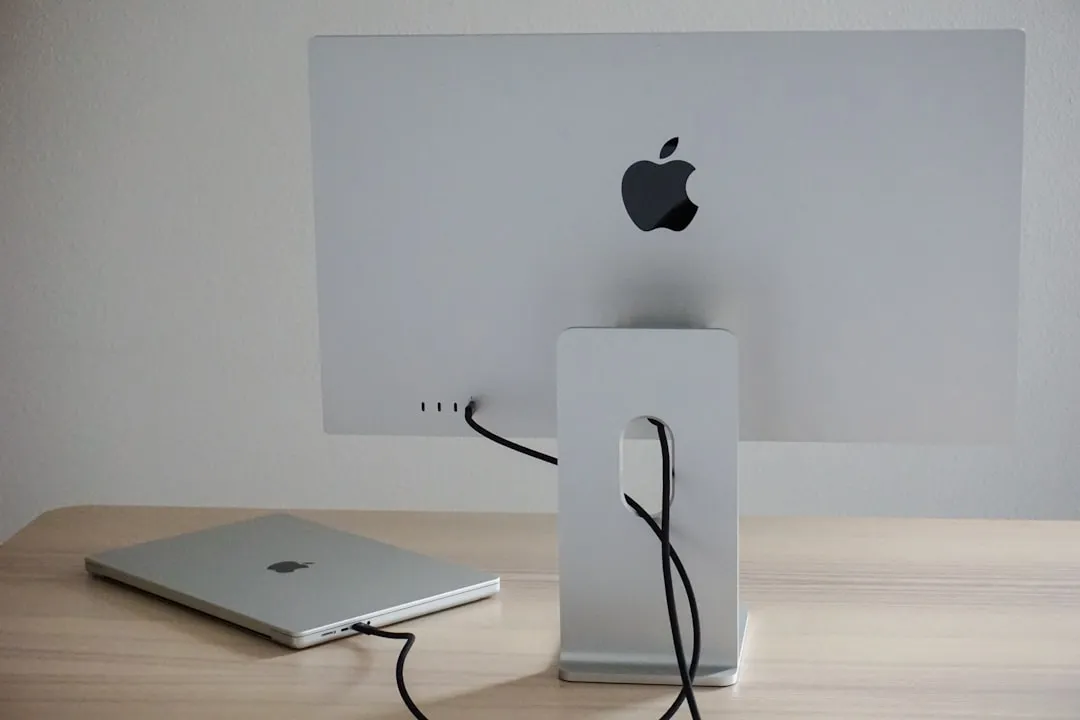
If your Apple TV 4K is trapped in a recovery mode loop, the immediate solution is to use a USB-C to USB-A cable connected to a Mac or PC running Apple Configurator or iTunes. Ensure you are using a high-quality data cable, not just a charging cord. If the device remains unresponsive, force a restart by holding the Menu (or Back) and TV buttons, then attempt a firmware restore via the desktop utility.
The Apple TV 4K, often perceived as a "set-and-forget" appliance, carries a hidden layer of complexity that becomes painfully apparent the moment a tvOS update fails, or when you encounter Apple TV 4K streaming crashes with error 5013. Unlike an iPhone, which has a tactile screen and more robust emergency firmware recovery, the Apple TV 4K—particularly the models released before the 2021 refresh—exists in a strange purgatory of hardware connectivity. When it gets stuck in recovery mode, you aren't just dealing with a software glitch; you are dealing with a proprietary communication bridge that often fails to establish a handshake with your host computer, a problem not unlike experiencing an Apple TV 4K black screen due to HDMI handshake issues.
The Cable Fallacy and Data Transfer Bottlenecks
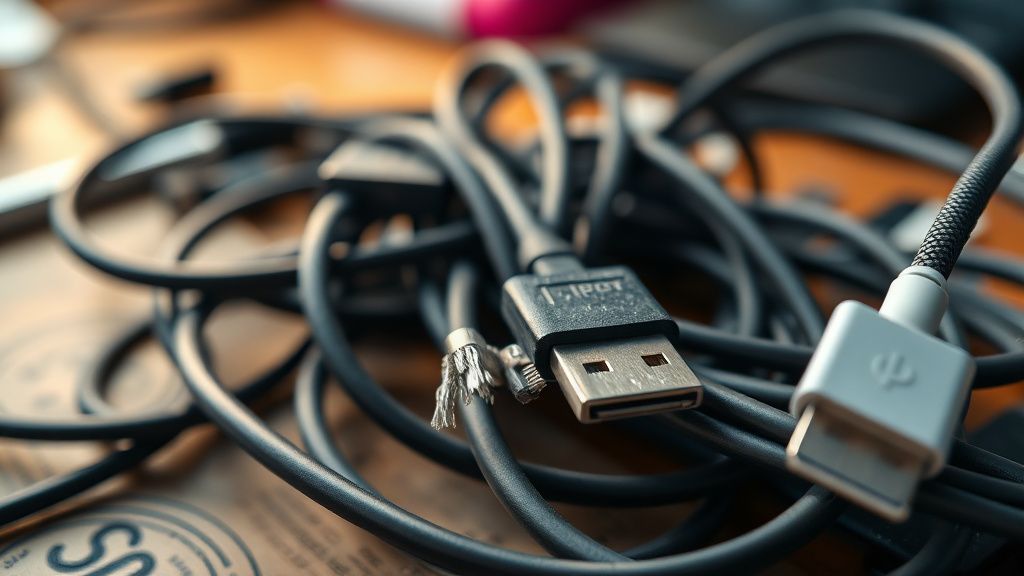
The most common failure point during the troubleshooting process is the assumption that any USB-C cable will suffice. In the world of high-speed data transfer, the physical cable is often the weakest link. Many users attempting to fix a "bricked" Apple TV 4K utilize the cables that came with their cheap power adapters or generic phone chargers.
The technical reality is that many USB-C cables are "power only." They lack the D+/D- data pins required for the host computer to recognize the Apple TV 4K as a device in DFU (Device Firmware Update) mode. When you plug the Apple TV into your Mac, you expect the Apple Configurator software to ping the device immediately. If the cable is strictly for charging, the software remains silent. You sit there, clicking "Refresh," wondering if your unit’s internal logic board has suffered a catastrophic failure, while in reality, you are just suffering from a protocol mismatch.
Real Field Report: The "Ghost" Device Phenomenon
On technical forums like the MacRumors sub-forum or Hacker News discussion threads regarding Apple silicon, a recurring theme is the "Ghost Device." Users report that their Mac beeps when the Apple TV is connected, acknowledging a hardware event, but Apple Configurator fails to present the device icon.
One user, posting under a pseudonym on a popular support thread, noted:
"I spent four hours swapping cables. My MacBook Pro recognized a device on the USB bus (via System Information), but Configurator 2 wouldn't show the 'Restore' option. It turns out the cable I was using was a Thunderbolt 4 cable, which, for some reason, the Apple TV's older recovery controller didn't like. I switched to a basic USB-C to USB-A cable salvaged from an old external hard drive, and it was detected instantly. The irony of using a 'worse' cable to fix a 'pro' device is not lost on me."
This highlights an architectural friction point: the Apple TV 4K uses an older USB-C implementation for its recovery port, and it doesn't always negotiate correctly with modern USB-C to USB-C ports on newer MacBooks, leading to negotiation failures that manifest as a device that is technically connected but logically invisible. Such issues can sometimes also manifest in normal operation, such as when your Apple TV 4K starts dropping frames due to HDMI handshake problems.
System Architecture and the Recovery Loop
When tvOS initiates a firmware update, it writes to a specific partition on the NAND flash memory. If the power is interrupted or if there’s a signature verification failure during the update, the BootROM enters a recovery loop. The device cannot jump into the kernel; it essentially sits at the BIOS level, waiting for a command via the USB interface.
From a systems engineering perspective, this is a "safe state." The device refuses to boot into a corrupted OS, opting to stay in a minimal environment. However, for the average consumer, this looks like a dead product. The internal logic is:
- BootROM Execution: The hardware initializes.
- NAND Verification: The system checks the OS signature.
- Recovery Trigger: If the signature fails or the OS is missing, it sets a hardware flag to enter recovery.
- USB Handshake: It waits for a host to push a new IPSW file.
The failure usually occurs at stage 4. If your computer doesn't "see" the device, you cannot push the image, and the cycle repeats ad infinitum.
Counter-Criticism: Is the Recovery Design Flawed?
There is a significant debate among power users and independent repair technicians regarding the design of the Apple TV 4K's recovery port. Critics argue that Apple intentionally makes the recovery process opaque to drive users toward the "Genius Bar."
"If the device is a simple streamer, why does it require a $2,000 computer to restore its own software?" asks one repair technician in a Reddit r/appletv thread. "Why isn't there an 'Internet Recovery' feature like on the Macs, where the unit downloads the firmware itself via Ethernet?"
The counter-argument, often presented by those familiar with Apple’s internal security (the "Secure Enclave" logic), is that the physical link is required to ensure the integrity of the firmware being installed. If the device could download its own OS, it would be vulnerable to a man-in-the-middle attack during the update process. By forcing a connection through a trusted host, Apple keeps the chain of trust unbroken. Whether this is a valid security posture or a form of planned obsolescence/consumer lock-in remains a subject of intense, unresolved debate.
Troubleshooting Strategy: The Workaround Culture
Since the official path is often unreliable, a "workaround culture" has emerged on developer forums. Users frequently suggest:
- The "USB Hub" Method: Using an unpowered USB-A hub instead of connecting directly to a USB-C port on a Mac. This sometimes forces the hardware to negotiate at USB 2.0 speeds, which the Apple TV recovery controller prefers.
- The "Configurator Reset": Sometimes the Apple Configurator app itself gets "stuck" in a state where it thinks no device is connected. Deleting the application’s cache files (
~/Library/Containers/com.apple.configurator) often resolves issues where the software refuses to recognize the hardware even after a successful cable swap. - The "Power Cycle" Timing: Some users claim that unplugging the Apple TV for exactly 60 seconds after seeing the device in the device manager, then plugging it back in while the restore process is running, forces the handshake to finalize. This is anecdotal, but in the world of broken consumer electronics, anecdotal fixes often become the standard operating procedure.
Scaling the Problem: Managed Deployments
For IT administrators managing dozens of Apple TV units in a school or corporate setting, the recovery process is not just a nuisance—it’s an operational bottleneck. When a firmware update fails on a massive scale (e.g., a buggy point release), admins are left with a "pile of bricks."
Scaling the restoration process involves using Apple Configurator’s automation features to wipe and flash units in parallel. However, even here, the hardware constraints persist. The bandwidth of USB controllers on hub-powered setups is frequently a point of failure. If you try to restore five Apple TVs simultaneously, the USB bus often saturates, causing one or two units to time out during the restore, effectively looping them back into recovery mode. This is where "Scaling Failure" becomes a real-world economic cost, requiring human intervention for every single device that hangs.
Why does Apple Configurator not see my Apple TV 4K?
The most frequent cause is a "charge-only" USB cable or a negotiation error with the USB-C port. Ensure you are using a certified data-sync cable. If the hardware is detected but the software doesn't show it, try a different USB-A port or an external, powered USB hub to force a change in the connection handshake.
Will I lose all my apps and data during a recovery?
Yes. The recovery process performs a "Restore," which wipes the internal NAND flash storage. Since tvOS is largely cloud-synced, you will regain your settings and app logins once you sign back into your Apple ID, but local caches and non-synced data will be permanently erased.
Can I use a Windows PC to fix my Apple TV?
Officially, Apple Configurator is a macOS-only tool. While iTunes on Windows can theoretically interact with some Apple devices, it is notoriously unreliable for restoring Apple TV 4K firmware. If you do not have a Mac, you may need to borrow one or visit an Apple Store, as the DFU restoration process is deeply tied to the macOS kernel's handling of Apple device drivers.
Is my Apple TV 4K "bricked" forever if nothing works?
Not necessarily. If the device doesn't respond to any cable combination or computer, it may be a hardware power supply failure. If the unit remains cold and shows absolutely no LED activity, you are likely looking at a logic board failure. Before assuming it is dead, try a different wall outlet and the original power cable, as internal power supply issues are more common than NAND corruption.
Are there any "hidden" diagnostic modes?
Beyond the standard Recovery Mode, the Apple TV 4K has a production-level diagnostic mode used in factories. However, this is largely inaccessible to end-users without specialized "breakout boards" (cables that expose diagnostic pins). These are not sold to the public and require proprietary software to interface with, so if the standard DFU restore fails, you have likely reached the absolute limit of consumer-side repair.
Bu makale affiliate linkleri içermektedir.