High-end television sets are no longer just displays; they are essentially wall-mounted, fanless computers tasked with processing high-bitrate 4K HDR streams, managing complex local dimming zones, and running bloated operating systems. When you watch a 4K stream on a modern LED or OLED panel, you are pushing a tightly packed hardware ecosystem to its thermal threshold, much like how the modern Agentic Workforce optimizes complex digital processes to ensure peak profitability.
The Physics of Thin: Why Modern Displays Struggle with Heat
The industry-wide obsession with "razor-thin" design is the primary antagonist in panel longevity, a design philosophy that contrasts sharply with the principles of Neuro-Architecture, which prioritizes human comfort and cognitive well-being within the home. A television’s chassis acts as the primary heat sink. However, as panels have thinned to mere millimeters, the thermal mass available to dissipate the heat generated by the LED backlight (in LCDs) or the organic compounds (in OLEDs) has effectively vanished.
When you engage HDR (High Dynamic Range) content, the TV pushes its LEDs to maximum brightness to create contrast. This requires a significant spike in electrical current. In an LED-lit set, this current translates into heat at the LED junctions. In an OLED, every individual pixel is an emitter; when bright, these pixels degrade slightly. Excessive heat accelerates this degradation, leading to the dreaded "image retention" or, in worst-case scenarios, permanent burn-in where the panel’s chemical structure is altered by thermal stress.
The Hidden Workload: The SoC and Processing Overhead
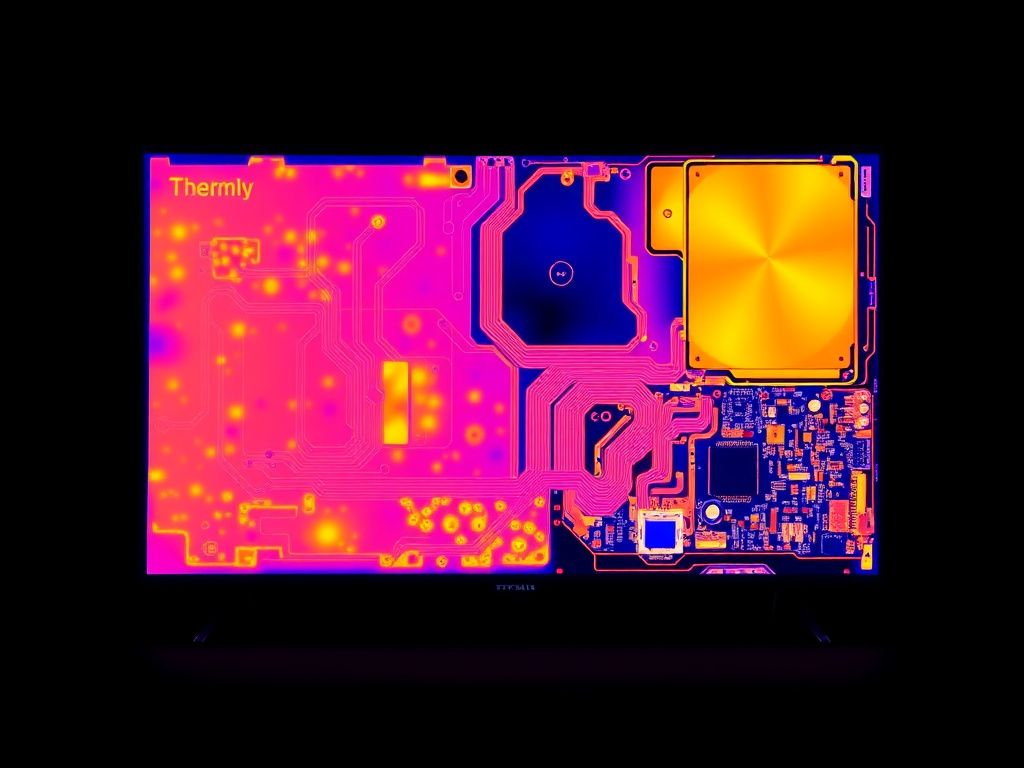
Most users blame the panel, but the SoC (System on a Chip) is a silent, overheating furnace. Modern smart TVs run forks of Android, Tizen, or webOS. These platforms are resource-intensive. When you stream 4K content via a built-in app, the TV is simultaneously:
- Decoding the HEVC/AV1 codec in real-time.
- Handling heavy post-processing (motion smoothing, AI upscaling, noise reduction).
- Maintaining Wi-Fi/Ethernet connectivity with constant background data handshakes.
- Managing the panel’s power distribution.
When the SoC gets hot, it performs thermal throttling, causing system instability much like an unoptimized automated portfolio rebalancing engine would struggle without proper engineering oversight. If you’ve ever noticed your smart TV menu becoming sluggish after two hours of Netflix, you are witnessing the OS cutting its own clock speed to prevent the processor from melting its own solder joints.
Real Field Reports: Community Friction and Hardware Reality
Browsing through threads on platforms like AVS Forum or the r/OLED subreddit, the operational reality of "thermal management" is often a source of frustration. A common thread title: "Why does my TV crackle when I turn it off?"
"The popping sounds you hear after you shut down your TV aren't ghosts; they are the result of thermal expansion and contraction. The plastic and metal parts of your TV frame are expanding under load and contracting as they cool down. If the popping is excessive, it’s a sign that the chassis was designed with insufficient thermal clearance." — Comment from a long-time display repair technician on a tech forum.
This "creaking" is a physical indicator of stress. Users often mistake this for a manufacturing defect, but in reality, it is a symptom of a consumer demand for aesthetic thinness over structural thermal integrity.
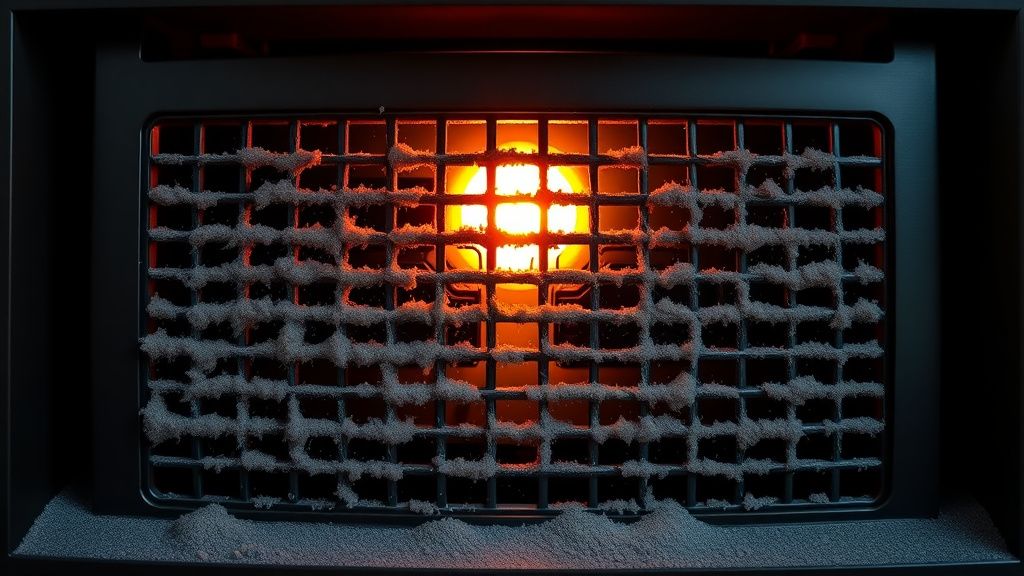
There is a recurring controversy regarding "Active Cooling." Some enthusiast-grade displays have attempted to introduce fans, but manufacturers avoid this due to reliability concerns, similar to how developing nations must carefully manage infrastructure risks to avoid a long-term debt crisis. Consequently, engineers rely on "passive dissipation," a far less sophisticated approach than the methods used to refurbish Breville Barista Express machines or the techniques required to fix Roborock S7 LiDAR motors for a profitable side business.
The Escalation: What Happens When Passive Cooling Fails?
When internal temperatures climb unchecked, the TV’s protection algorithms kick in. You might see:
- Dimming: The TV suddenly drops brightness by 20-30% mid-scene. This is a desperate attempt to save the panel from heat damage.
- Artifacting: The image begins to flicker or display "snow" as the video processor struggles with thermal noise.
- Sudden Reboots: The most common "hard" failure. The system reaches a thermal shutdown threshold to prevent hardware fire risk.
If you are curious about the density of pixels that are generating this heat, you can calculate your display's pixel density using our PPI Calculator to understand the sheer volume of logic gates packed into your screen.
Practical Mitigation: How to Protect Your Investment
You cannot force a TV to be cooler than its design allows, but you can prevent it from entering a thermal feedback loop.
- The "Wall Gap" Rule: Never flush-mount a TV against a wall using a fixed bracket if you live in a warm climate. You need at least 3 to 4 inches of clearance. The heat rising from the back of the panel needs to escape via convection. If you trap that air, you are essentially poaching your internal components.
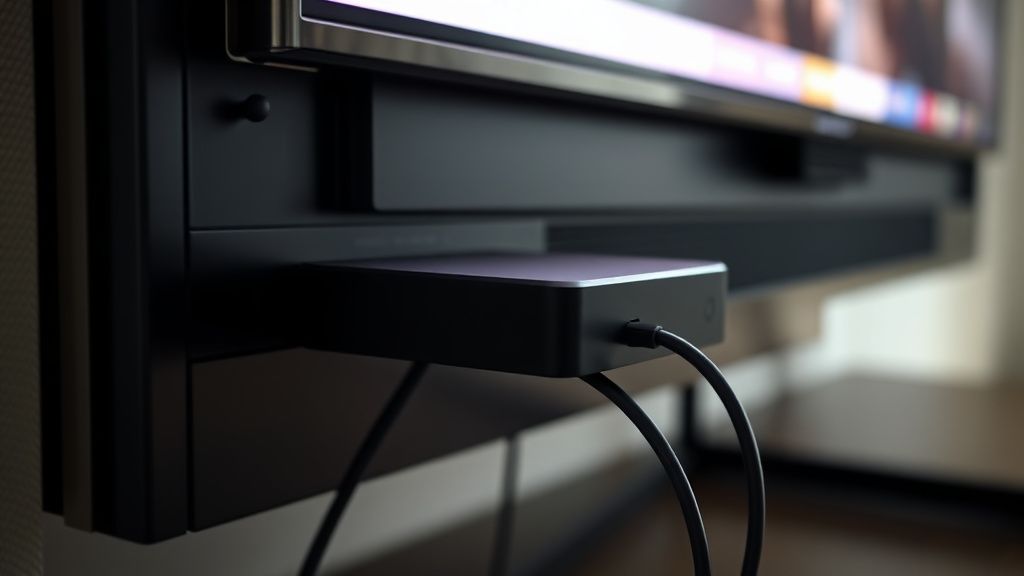
- External Hardware Bypass: If your TV’s SoC is the heat culprit, stop using the "Smart" apps. Buy an external streaming device (like an Apple TV 4K or Nvidia Shield). These devices handle the decoding workload. When you use an external box, the TV’s internal SoC can enter a lower-power state, significantly reducing the total thermal load inside the chassis.
- Brightness Management: You don't need "100" brightness for your living room at 10 PM. Keeping your OLED light or backlight setting around 60-70% drastically reduces the current drawn by the panel, extending its lifespan by years.