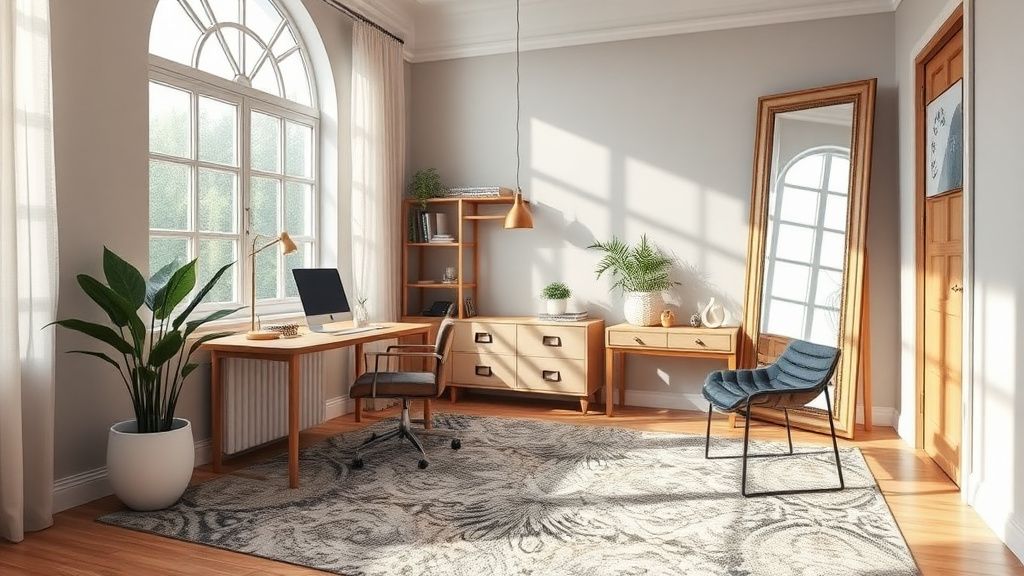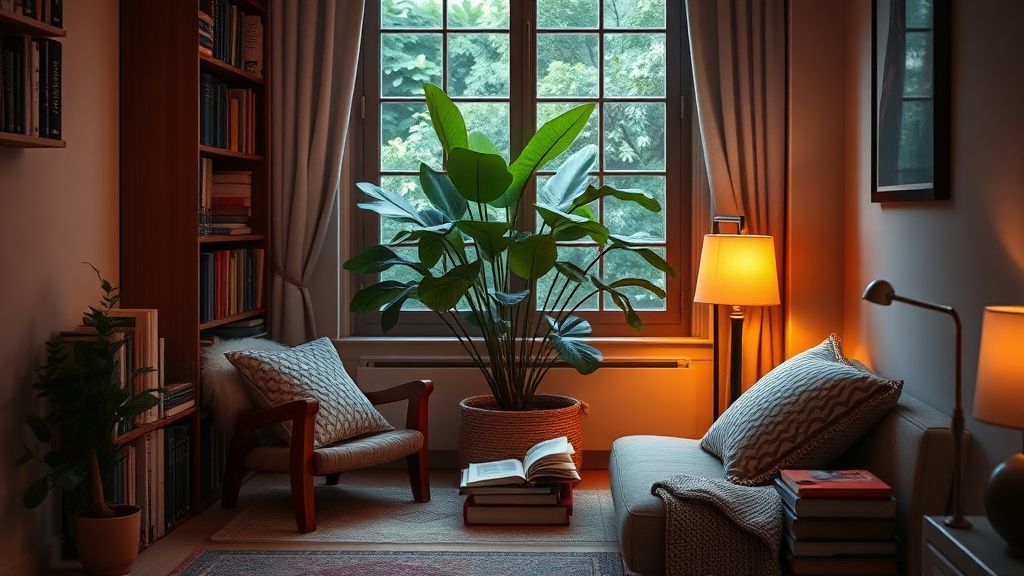
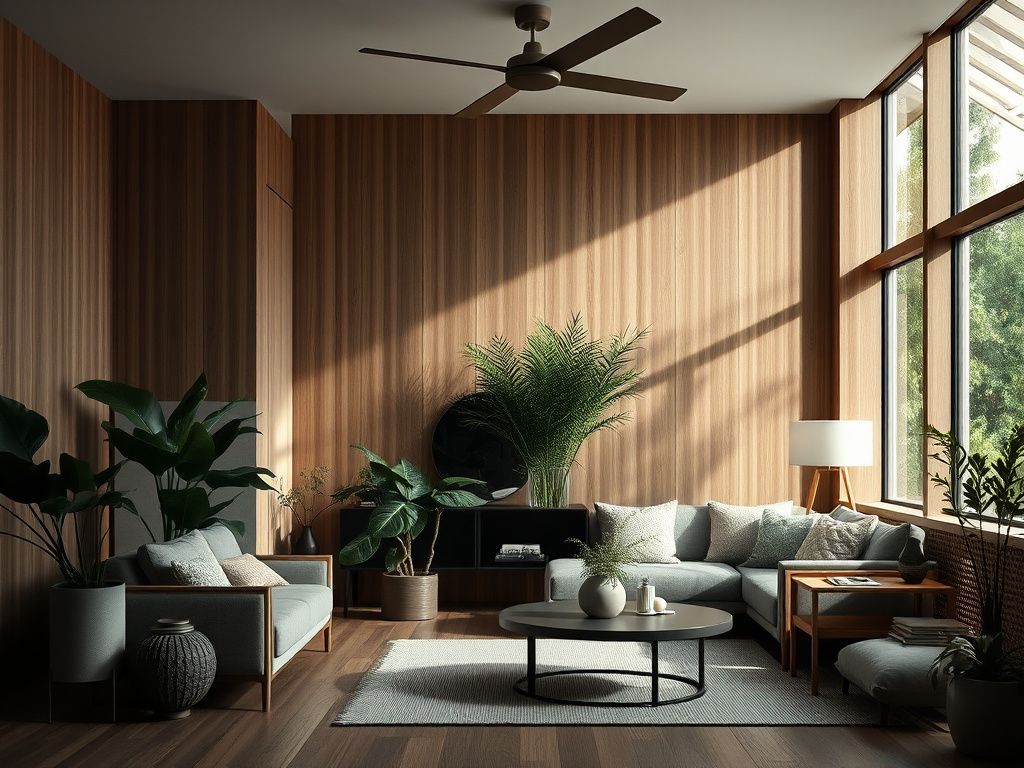
Neuro-architecture—the intersection of neuroscience, cognitive psychology, and environmental design—is currently suffering from a severe case of "wellness washing." While the promise of designing a home that physically re-wires your nervous system to mitigate chronic stress sounds like a panacea, the operational reality is far messier. Most homeowners who attempt to "de-stress" their spaces fall into a trap: they buy furniture, apply color-palette theories, and hope for a change in internal state. Real neuro-architecture is not about aesthetics; it is about the involuntary physiological responses triggered by spatial geometry, light temperature, and acoustic volume.
The Myth of the "Calm Room"
The industry often pushes the idea that a specific "zen room" can offset eight hours of office-induced cortisol spikes. This is a fundamental misunderstanding of how the human brain processes environmental input. Chronic stress is cumulative. If your cortisol baseline is elevated, a room with soft lighting and a succulent won’t "fix" your autonomic nervous system.
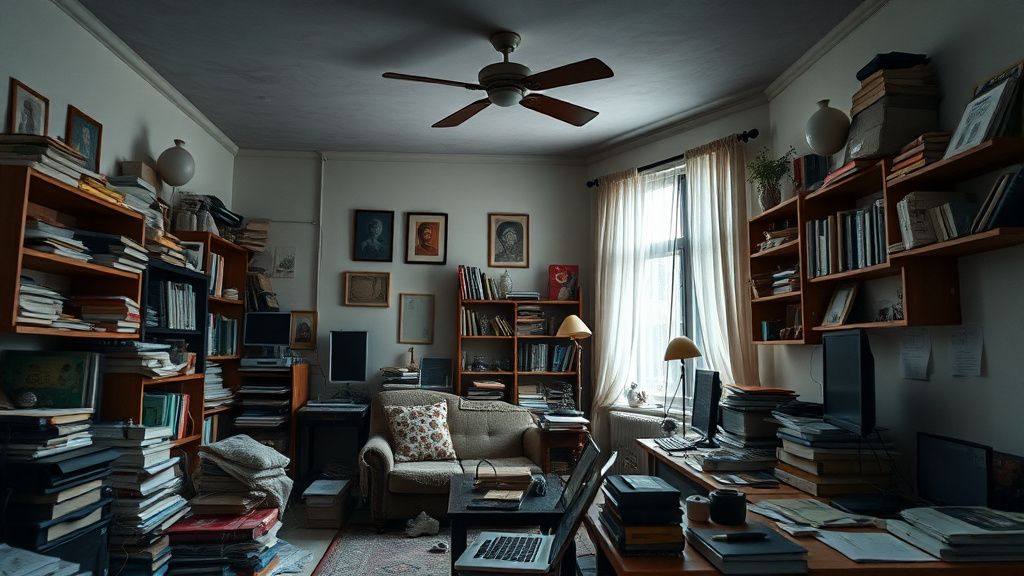
Neuro-architecture acknowledges that your brain is constantly running a background process—predictive coding—where it tries to anticipate what comes next. If your home has "low visual legibility"—meaning you have too much clutter, hidden corners, or poor spatial flow—your brain is forced to exert constant, low-level cognitive effort to map the space. This is "cognitive load," and it is the hidden enemy of recovery.
The Science of Predictive Processing and Spatial Anxiety
The reason you feel "off" in a poorly designed space often has little to do with the color of the walls. It has to do with Prospect and Refuge. Evolutionary psychology dictates that humans feel safest when we can see clearly (Prospect) without being easily seen or approached from behind (Refuge).
When you design a home with a desk facing a wall, or a couch in the middle of a room with no "anchor" behind it, you are placing your amygdala on high alert. You are essentially sitting in a state of hyper-vigilance, unable to fully enter a parasympathetic ("rest and digest") state.
- The "Back-to-Wall" Principle: A simple, cost-free intervention. Rotate your workstation or primary lounge furniture so you can see the entry point of the room. You don't need a renovation budget for this; you just need to stop following "interior design" trends that place furniture for photo-ops rather than for human biology.
- Acoustic Harshness: We often forget that we live in 3D sound fields. If your home is full of hard surfaces—glass, polished concrete, minimal textiles—you are subjecting your brain to a "flutter echo" environment. While you might not "hear" it, your brain is working overtime to localize sound sources. This auditory processing task is a major contributor to evening fatigue.
Real Field Reports: The "Minimalist Trap"
In the last three years of observing renovation outcomes, I have tracked a recurring phenomenon among remote workers attempting to build "productivity sanctuaries," a challenge further exacerbated by the fact that Why 'Quiet Quitting' Is Evolving Into a Remote Work Crisis – And How Leaders Can Respond has made professional environments increasingly difficult to manage.
On platforms like Reddit’s r/InteriorDesign or various architecture forums, you see the same story: A user spends $30k on a brutalist-inspired, minimalist renovation. They strip everything back to white walls and single-piece furniture. Six months later, they report feeling "agitated," "cold," or "unfocused."
This is the "Sensory Deprivation Backlash."
The human brain evolved to process complexity. A hyper-minimalist environment provides zero "biophilic" feedback. Without texture (wood grain, tactile fabrics) or fractal patterns (the kind found in nature), the brain becomes bored and eventually stressed by the sterility. If you want to use the Golden Ratio Calculator to space your furniture, do it, but don't ignore the need for environmental "richness," which is just as vital as understanding why Why Top Professionals Are Ditching Online Courses for Human Mentorship in favor of more tangible, hands-on learning experiences.
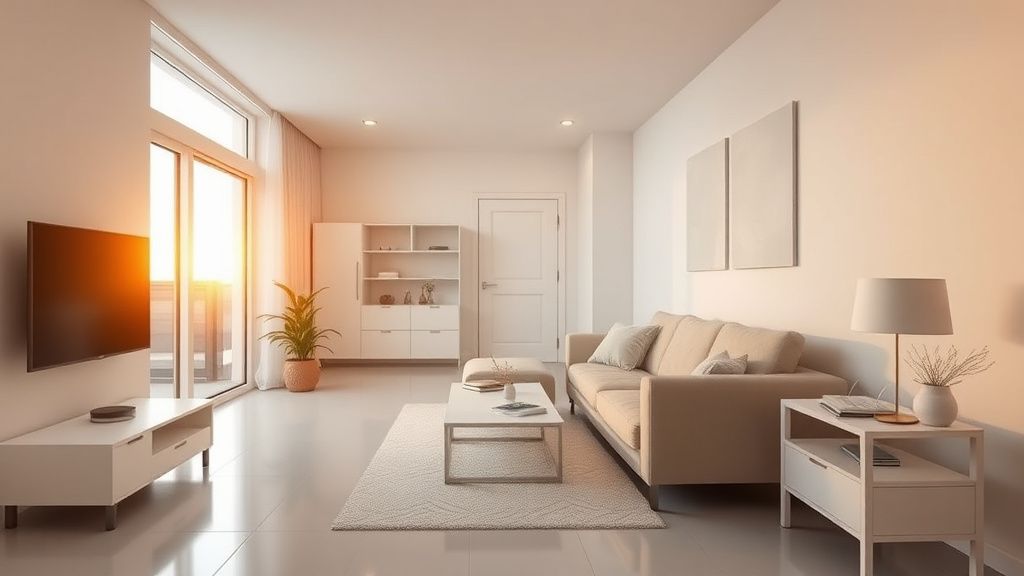
The Lighting/Circadian Mismatch
You cannot discuss neuro-architecture without addressing the melanopsin-containing retinal ganglion cells (ipRGCs). These are not for "seeing" images; they are for telling your hypothalamus what time of day it is.
If you work in a home office with cool-white LED lighting (5000K+) after 4:00 PM, you are actively suppressing melatonin production. Most "smart home" enthusiasts try to automate this, but they often fail at the "Intensity vs. CCT" balance. You need high-intensity light in the morning to reset your internal clock, but as the day progresses, the light should not just get "warmer" in color—it should drop in height and intensity.
A desk lamp at eye level at 9:00 PM is a physiological disaster. Move your light sources to the lower half of the room in the evening. This mimics the setting sun and triggers the brain’s "wind-down" signals.
Engineering Compromise: When Logic Fails
There is a significant tension between "Instagram-ready" design and "Neurologically-sound" design. Architects face immense pressure from clients to ignore these biological principles in favor of "statement pieces."
Consider the Open-Plan Living Dilemma. From a real estate value perspective, open plans are king. From a neurological perspective, they are a nightmare for anyone with a nervous system that needs to "partition" tasks. In an open-plan home, your brain cannot easily separate the "kitchen zone" (work/chores) from the "living zone" (relax). There is no spatial boundary to signify that the day is over.
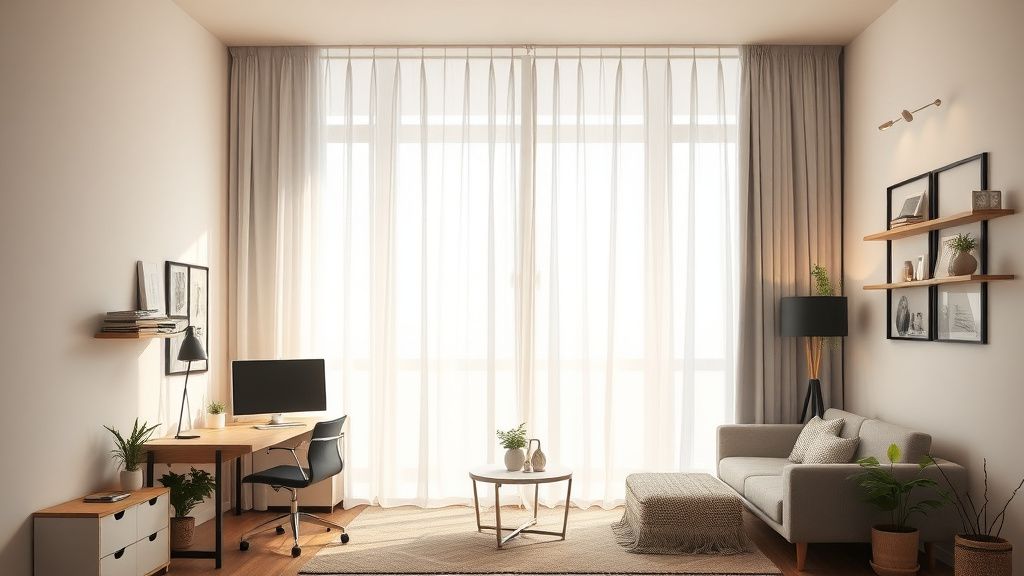
- The Workaround: If you cannot build walls, use curtains, lighting zones, and scent. These "environmental markers" act as psychological proxies for walls. Using a specific, low-frequency soundscape or a distinct lighting temperature in one part of a room can help your brain perform "context switching."
Counter-Criticism and The "Neuro-Architecture" Hype
Critics from the traditional architectural establishment often argue that "neuro-architecture" is just a buzzword for common-sense ergonomics. They are partially right. However, the dismissal of these findings as "soft science" ignores the massive amount of data on Environmental Psychology.