
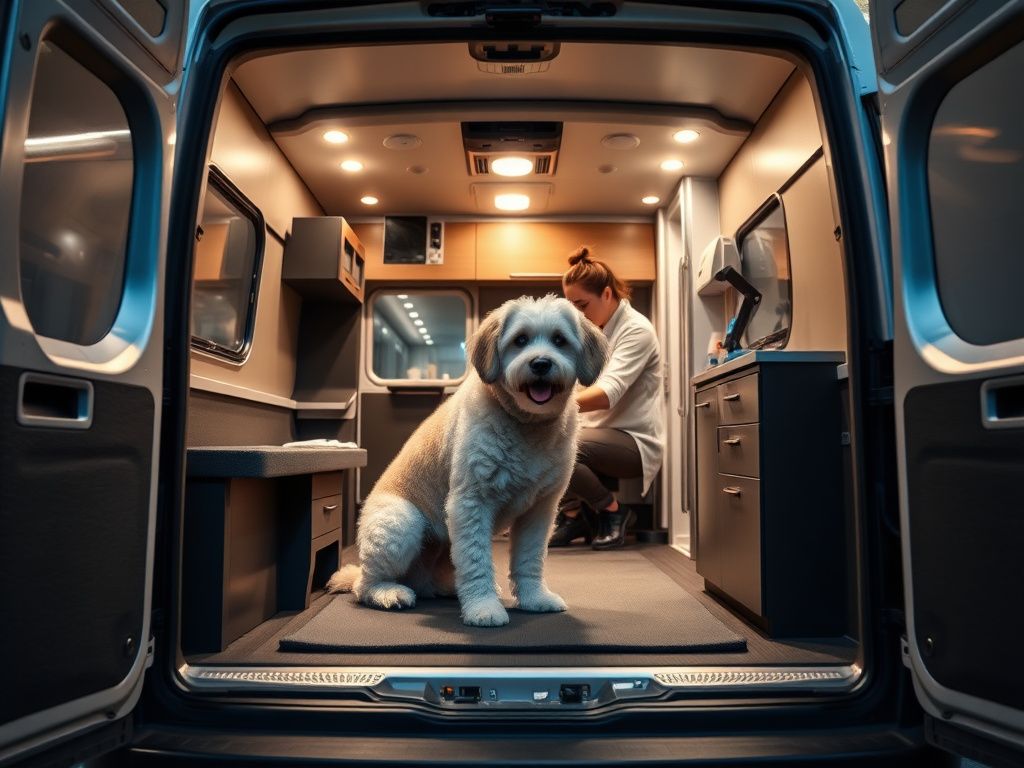
The profitability of a mobile dog grooming business in 2026 hinges on strategic differentiation and operational mastery. While startup costs are significant, high client retention and premium pricing can yield net profit margins of 20-35% or more, provided you can effectively navigate saturated markets and restrictive HOA regulations through niche services and proactive community engagement.
The American pet care industry is not just growing; it's maturing into a sophisticated, multi-billion dollar ecosystem. By 2026, we're looking at a market where convenience isn't a luxury, it's the baseline expectation. This is the battleground where the mobile dog grooming business will either thrive or get crushed. The dream of being your own boss, surrounded by happy pups, is powerful. But that dream is built on a foundation of cold, hard numbers, ruthless efficiency, and a savvy understanding of suburban politics. Let's dismantle the P&L and strategic challenges of this venture, piece by piece.
The 2026 Financial Blueprint: Deconstructing Profitability
Profitability is a simple equation: Revenue - Expenses. In mobile grooming, the complexity lies in the details of those variables. The upfront investment is substantial, and overlooking a single recurring cost can turn a profitable month into a loss.
Initial Capital Outlay: The Van is Just the Start
Your single largest barrier to entry is the mobile grooming van. In 2026, expect this to be a significant line item.
- New, Turnkey Van: A professionally-outfitted Ford Transit or Mercedes Sprinter will likely range from $90,000 to $140,000. These come ready-to-roll with stainless steel tubs, hydraulic tables, high-velocity dryers, and robust electrical/plumbing systems.
- DIY Conversion: Purchasing a used cargo van ($25,000 - $40,000) and outfitting it yourself can save money upfront, but it's a trade-off. The time, potential for error, and lack of warranty can create hidden costs. The total can still easily reach $60,000 - $80,000 for a professional-grade setup.
Beyond the vehicle, you must budget for initial inventory (shampoos, tools), business insurance, licensing, and a marketing launch fund. Your all-in startup cost is realistically in the six-figure range.
Recurring Operating Costs: The Silent Profit Killers
This is where many aspiring groomers miscalculate. These are the relentless, monthly expenses that dictate your pricing strategy and break-even point.
- Fuel: By 2026, with potentially volatile fuel prices, this will be a top-three expense. Route optimization isn't a suggestion; it's a survival tactic.
- Insurance: You'll need commercial auto, general liability, and specialized coverage for animal care (often called "animal bailee" insurance). Expect this to be significantly higher than personal auto insurance.
- Supplies: Shampoos, conditioners, blades, shears, etc. This scales directly with your client volume.
- Maintenance: Both for the van (oil changes, tires) and the grooming equipment (blade sharpening, dryer service). Budget 5-8% of your revenue for this.
- Grooming Software: A non-negotiable expense for scheduling, client management, and payment processing. Systems like MoeGo or Groomer.io are the central nervous system of your operation.
- Payment Processing Fees: Typically 2.5% - 3.5% of every transaction.
Navigating the Twin Dragons: Market Saturation & HOA Gatekeepers
Having a pristine van and a balanced budget means nothing if you can't access your target clients. In 2026, the two biggest external threats will be fierce competition and homeowner associations.
The Competition Moat: Thriving in a Crowded Market
In many affluent suburbs, you won't be the first mobile groomer on the block. You may not even be the fifth. Competing on price is a race to the bottom that you will lose. Instead, you must build a competitive moat through specialization and branding.
Actionable Strategies:
- Hyper-Niche Targeting: Don't be a groomer for "all dogs." Be the go-to expert for a specific segment. This could be large breeds (requiring specialized equipment), geriatric dogs needing gentle handling, or anxious/rescue dogs that can't handle a salon environment. This focus allows for premium pricing and creates powerful word-of-mouth marketing.
- Luxury Pet Services: Elevate the experience. Offer aromatherapy, paw balms, blueberry facials, and even subscription boxes with curated treats. You aren't just selling a haircut; you're selling a spa day for a cherished family member.
- The "Quiet" Value Proposition: Market your van's technology. Invest in a quiet inverter generator instead of a loud contractor-grade one. Emphasize this in your marketing—"No noisy generators to disturb your peace or violate HOA sound ordinances." This directly counters a major objection.
The HOA Playbook: Turning Restrictions into Opportunities
HOAs are the gatekeepers to the most lucrative neighborhoods. A single complaint can get you banned from an entire subdivision. You must approach this proactively, not reactively.