
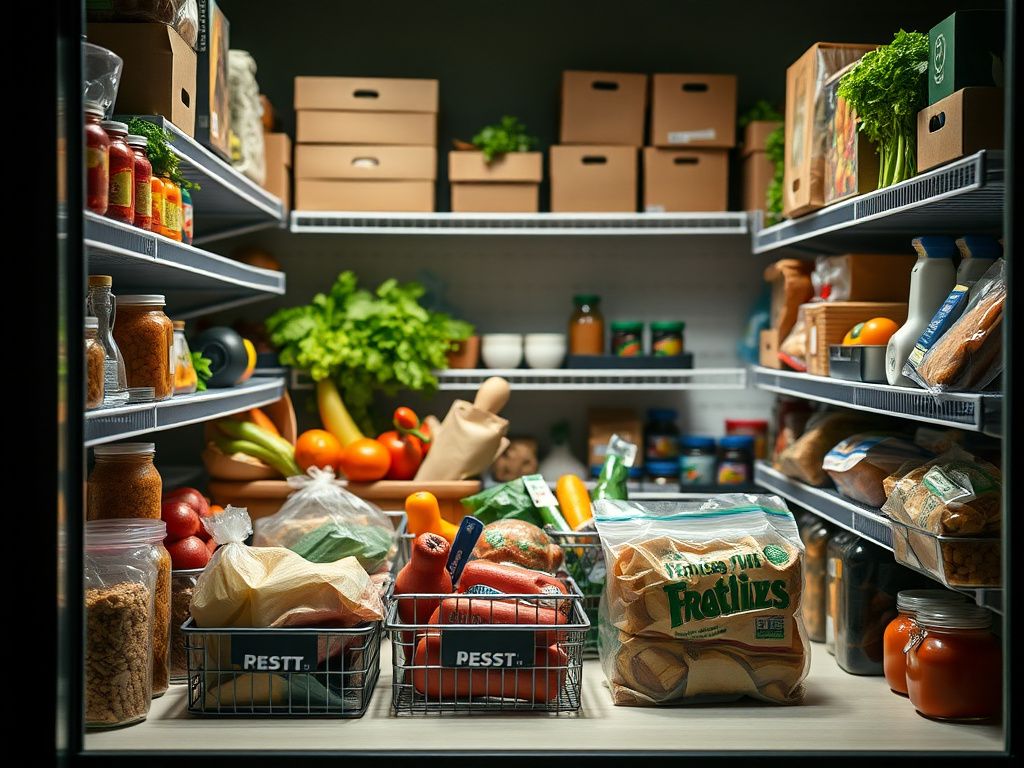
Navigating the modern culinary landscape can feel like a high-stakes financial negotiation. To slash your grocery bill by a remarkable 50%, the ignored strategy lies in proactive, dynamic inventory-centric meal planning and opportunistic bulk purchasing. This involves meticulously understanding your existing pantry and freezer assets, then crafting menus that prioritize using what you already own and strategically supplementing with deeply discounted, versatile staples.
The quest for culinary frugality is more relevant than ever in our rapidly evolving economic landscape. As we march towards 2026, the pressures of inflation, supply chain fluctuations, and the sheer volume of marketing noise make savvy grocery shopping a survival skill, not just a lifestyle choice. While countless guides offer tips like "make a list" or "don't shop hungry," there's a profound, overarching strategy that consistently gets overlooked—a paradigm shift that, when embraced, can dramatically recalibrate your food budget. We're talking about more than just clipping coupons; we're talking about a fundamental re-engineering of your household's gastronomic logistics.
The Unveiling: The Integrated Inventory-First Strategy
The one strategy everyone ignores, the true bedrock of slashing your grocery bill by half, is Integrated Inventory-First Meal Planning with Opportunistic Bulk Buying. This isn't just about meal planning; it's about making your existing food assets the starting point of your culinary week, rather than an afterthought. Most households approach groceries by deciding what they want to eat, then writing a list, and finally heading to the store. This traditional linear model is inherently inefficient, often leading to impulse purchases, forgotten ingredients languishing in the back of the pantry, and significant food waste.
The ignored strategy flips this on its head: you inventory your pantry, freezer, and refrigerator first. You then build your meal plan around maximizing the utilization of those existing ingredients. Only after this comprehensive assessment do you create a targeted, lean shopping list for essential perishables and deep-discounted, versatile bulk items that will enhance your existing stores. Why is this ignored? Because it requires a small upfront investment of time and a shift in mindset from instant gratification to strategic foresight. It demands discipline, a degree of culinary creativity, and a willingness to adapt your weekly menu based on what's genuinely cost-effective and available. But the payoff, experts note, is exponential savings and a significantly reduced environmental footprint.
Pillar 1: Mastering Your Culinary Inventory – Your Home Superstore
Before you even think about setting foot in a grocery store, your first stop is your own kitchen. This is your personal culinary warehouse, and understanding its contents is the ultimate leverage.
Audit Your Abyss: The Pantry & Freezer Deep Dive
Start with a thorough inventory. This isn't just a casual glance; it's an archaeological dig. Pull everything out of your pantry, cupboards, refrigerator, and freezer. Categorize items: grains, legumes, canned goods, frozen vegetables, meats, condiments, spices. Note expiration dates. This process, while seemingly laborious, is eye-opening. You'll discover forgotten treasures, identify redundant purchases, and confront items nearing their prime. A simple whiteboard or digital spreadsheet for your strategic pantry management can track "use first" items and essential staples.
Stocking Strategically: Building a Resilient Larder
Once you know what you have, you can strategically build. This means focusing on bulk buying essentials for non-perishable, versatile ingredients that form the foundation of countless meals. Think dried beans, lentils, rice, pasta, oats, flour, long-lasting root vegetables (potatoes, onions, garlic), and frozen fruits and vegetables when they're at their lowest price point. These items offer exceptional ingredient cost analysis value and provide a buffer against unexpected price hikes. A well-organized pantry and a smart freezer organization system become your best friends, enabling you to buy smart when prices are low and avoid desperate, full-price purchases later.
First-In, First-Out (FIFO) & Smart Storage Solutions
Implementing a First-In, First-Out (FIFO) system is critical for food waste reduction. Arrange items so older products are at the front, ensuring they're used before they expire. Invest in appropriate storage solutions—airtight containers for dry goods, freezer-safe bags for frozen items. Proper storage not only extends shelf life but also makes your inventory more accessible and visually appealing, encouraging use. According to recent industry observations by the Waste & Resources Action Programme (WRAP), household food waste accounts for a significant portion of a family's budget, directly impacting financial goals.
Pillar 2: The Art of Dynamic Meal Planning
With your inventory laid bare, you can now engage in truly effective meal planning. This isn't about following a rigid recipe book; it's about creative adaptation.
Beyond the Weekly Menu: The Ingredient-First Approach
Instead of asking "What do I want for dinner?", ask "What ingredients do I have a lot of, or what needs to be used soon?" This ingredient-first meal planning mastery is the core of the strategy. If you have chicken breasts nearing their freezer burn date and a bag of lentils, think lentil soup with shredded chicken, or a chicken and lentil curry. This approach fosters culinary frugality and encourages improvisation. Develop a weekly menu rotation that is flexible and adaptable, allowing you to swap meals based on new inventory discoveries or spontaneous sales.
Batch Cooking & Ingredient Versatility
Leverage batch cooking essentials. Cook large quantities of staple ingredients like grains, legumes, or roasted vegetables at the beginning of the week. These can then be incorporated into various meals throughout the week, significantly cutting down on daily prep time and energy costs. Similarly, focus on budget meal prep by choosing versatile ingredients. A single roast chicken can become dinner, then chicken salad for lunch, then stock for a soup.
Embracing Homemade Staples
Many items we buy pre-made are simple to make at home and vastly cheaper. Consider making your own bread, sauces, broths, salad dressings, and even yogurt. While it requires time, the cost savings are substantial. This focus on homemade staples not only slashes your bill but also gives you greater control over ingredients, enhancing nutritional value. A jar of homemade pesto, for example, can be made for a fraction of the cost of store-bought, using garden herbs or discounted bulk basil.
Pillar 3: The Informed Shopper's Edge
Even with a robust inventory, some shopping will be necessary. This is where your shopping list transforms from a wish list into a strategic acquisition plan.