
For any astute financial manager, identifying and plugging leaks in operational expenditure is paramount. In the realm of personal finance, few leaks drain the coffers as quickly and relentlessly during the summer months as an unchecked electric bill. As temperatures soar, so too can your energy consumption, transforming your home from a comfortable sanctuary into an unwitting money furnace. However, with strategic insights and a proactive approach, it’s entirely possible to significantly curb these costs, potentially slashing your summer electric bill by as much as 50%. This isn't about enduring discomfort; it's about intelligent resource management and optimizing your home's financial efficiency.
The oppressive summer heat often brings a corresponding surge in utility costs, impacting household budgets disproportionately. Many homeowners feel trapped, believing high electric bills are an unavoidable consequence of staying cool. This perception, however, overlooks a wealth of actionable strategies rooted in sound financial planning and operational efficiency. By adopting these nine surprisingly effective tricks, you can turn your home into a model of energy efficiency, yielding substantial seasonal energy savings and providing a welcome reprieve for your wallet. It's time to shift from passive acceptance to active financial control over your utility costs.
Optimizing Your HVAC System: The Kingpin of Savings
Your Heating, Ventilation, and Air Conditioning (HVAC) system is undoubtedly the single largest contributor to your summer electric bill. Treating it as a "set it and forget it" appliance is a grave financial misstep.
1. Master Your Programmable Thermostat
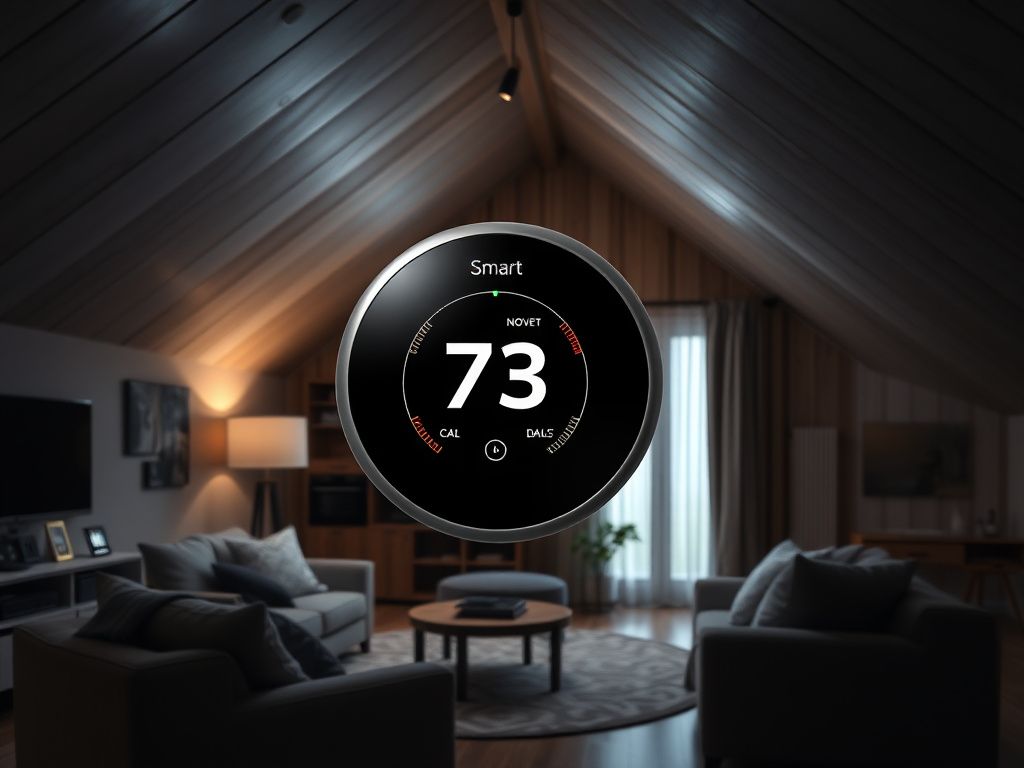
This isn't merely a convenience; it's a critical tool for home energy management. A properly utilized programmable thermostat or its more advanced cousin, a smart home device, can automatically adjust temperatures when you're away or asleep, preventing unnecessary cooling of an empty house. Think of it as automating your savings. Experts note that setting your thermostat just 7-10 degrees higher for 8 hours a day can save up to 10% on your cooling costs. For instance, if you typically keep your home at 72°F during the day, nudging it up to 80°F while you're at work, and then back down an hour before you return, creates significant marginal savings without sacrificing comfort. Modern smart thermostats even learn your schedule and preferences, further optimizing for energy consumption patterns and dynamically adjusting to reduce peak demand charges.
2. Regular HVAC Maintenance: An Investment, Not an Expense
Consider professional HVAC maintenance an annual fiscal review for your cooling system. Dirty coils, low refrigerant levels, or clogged filters force your unit to work harder, consuming more electricity and accelerating wear and tear. A well-maintained system operates at peak efficiency, much like a finely tuned financial portfolio. A simple filter change, for example, can improve efficiency by 5-15%, translating into tangible dollar savings. According to recent industry observations, neglecting this simple task is one of the most common and costly mistakes homeowners make, essentially throwing money out the window while accelerating the need for expensive repairs or replacements.
Fortifying Your Home's Envelope Against Heat Infiltration
Beyond the mechanics of cooling, how well your home retains that coolness is crucial. These strategies focus on preventing heat from entering and cool air from escaping.
3. Seal the Leaks: An Energy Audit's Top Priority
Air leaks are like a leaky faucet for your cool air, constantly draining your financial resources. They are often invisible culprits found around windows, doors, electrical outlets, and plumbing penetrations. A quick, DIY energy audit with a lit incense stick can reveal drafts. Sealing these leaks with caulk and weatherstripping is one of the most cost-effective insulation upgrades you can implement. The upfront cost is minimal, often just a few dollars, but the return on investment (ROI) is immediate and continuous, reducing the workload on your HVAC system and significantly impacting your overall energy efficiency.
4. Optimize Your Attic Insulation
If your attic insulation resembles a sparse winter coat, your home is likely absorbing excessive heat from the sun. Adequate insulation upgrades in the attic act as a critical thermal barrier, preventing solar heat gain from radiating into your living spaces. Experts often recommend at least R-30 to R-60 insulation, depending on your climate zone. This might seem like a significant upfront investment, but the long-term fiscal discipline gained from reduced cooling demands is substantial. It's a foundational improvement that pays dividends over many years, contributing to a more stable indoor temperature and reducing the frequency and intensity of your AC cycling.
Intelligent Appliance Use and Lighting Upgrades
Our daily habits and choice of household items play a surprisingly large role in our energy footprint.
5. Tackle Phantom Loads (Vampire Drain)
Even when turned off, many electronics and appliances continue to draw power – a phenomenon known as "phantom load" or "vampire drain." Devices like TVs, chargers, coffee makers, and computers, while seemingly dormant, collectively can account for 5-10% of your household's total electricity consumption. This often-overlooked hidden expenditure can be eliminated with smart power strips that cut power to idle devices or by simply unplugging items when not in use. It's a small change in habit that offers constant, incremental operational savings. Think of it as preventing tiny, continuous withdrawals from your bank account.
6. Strategic Appliance Use: Timing is Everything
Many utility providers implement "time-of-use" billing, where electricity costs more during peak demand hours (typically late afternoon and early evening). Delaying the use of energy-intensive appliances like dishwashers, washing machines, and dryers until off-peak hours can dramatically reduce your bill. This simple behavioral adjustment leverages your energy consumption patterns to your financial advantage. Furthermore, considering Energy Star rated appliances when replacing older models offers substantial long-term appliance efficiency, with many boasting significantly lower operating costs over their lifespan, making them a wise capital expenditure.