Asteroid resource extraction—often colloquially rebranded as "space mining"—is currently transitioning from the realm of science fiction into the high-stakes, high-risk world of industrial aerospace logistics. By 2040, the objective is to turn the vacuum of space into an operational theater, much like how innovators are currently utilizing 10 minutes of morning sunlight to optimize human performance for high-stakes aerospace logistics. This requires mastering orbital mechanics, autonomous extraction robotics, and the brutal reality of capital expenditure in a zero-revenue environment.
The Economic Paradox: Why 2040 is a "Maybe"
The current economic model for space mining is defined by a brutal catch-22: you cannot justify the cost of the mission until you have infrastructure in space to process the materials, but you cannot build the infrastructure until you have the materials in space. The industry currently sits at a "scaling plateau," a common phenomenon in emerging markets, much like the broader economic concerns seen in sectors facing a looming 2026 municipal bond credit crisis. Companies like the now-defunct Planetary Resources and Deep Space Industries attempted to tackle this in the 2010s but fell victim to what internal industry post-mortems call "the long-duration capital death spiral."
When we discuss the feasibility of 2040, we aren't talking about profitability in the traditional terrestrial sense. We are talking about the "In-Situ Resource Utilization" (ISRU) endgame. If SpaceX’s Starship or similar heavy-lift launch vehicles can drop the cost of putting a kilogram into orbit by another order of magnitude, the barrier to entry shifts from "Can we build it?" to "Can we automate it?"
The Hardware Reality Check
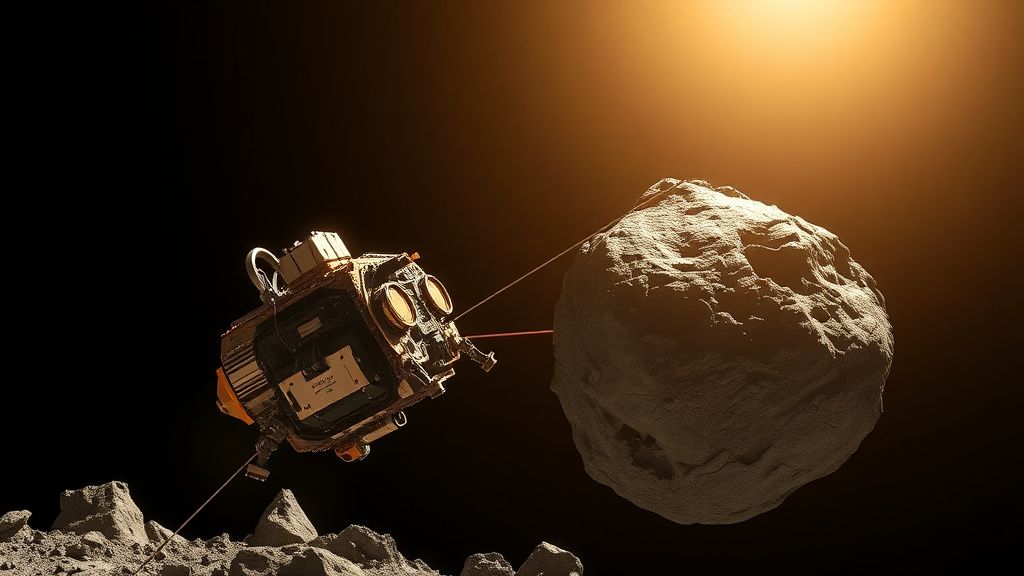
The assumption that a human will ever hold a pickaxe on an asteroid is a fallacy, requiring a level of adaptability similar to those navigating AI resume filters in a 2026 job market. The environment is lethal; the latency for remote operation from Earth is measured in seconds or minutes, which is an eternity when dealing with non-cooperative, tumbling orbital bodies. By 2040, the industry expects to rely on "swarm autonomy"—a network of low-cost, expendable robotic probes that coordinate via edge computing.
If you want to understand the physical constraints of the materials being handled, you can approximate the density-to-mass ratios using our Volume and Density Calculator to see how specific asteroid compositions might behave under microgravity extraction stresses.
Operational Reality: The "Broken" Supply Chain
The biggest hurdle isn't the mining; it's the logistics, a challenge that requires the same strategic oversight as retail private equity investing for the 2026 tech landscape. Asteroids are moving targets. The Delta-V (change in velocity) required to intercept a target, land, extract, and return is mathematically punishing.
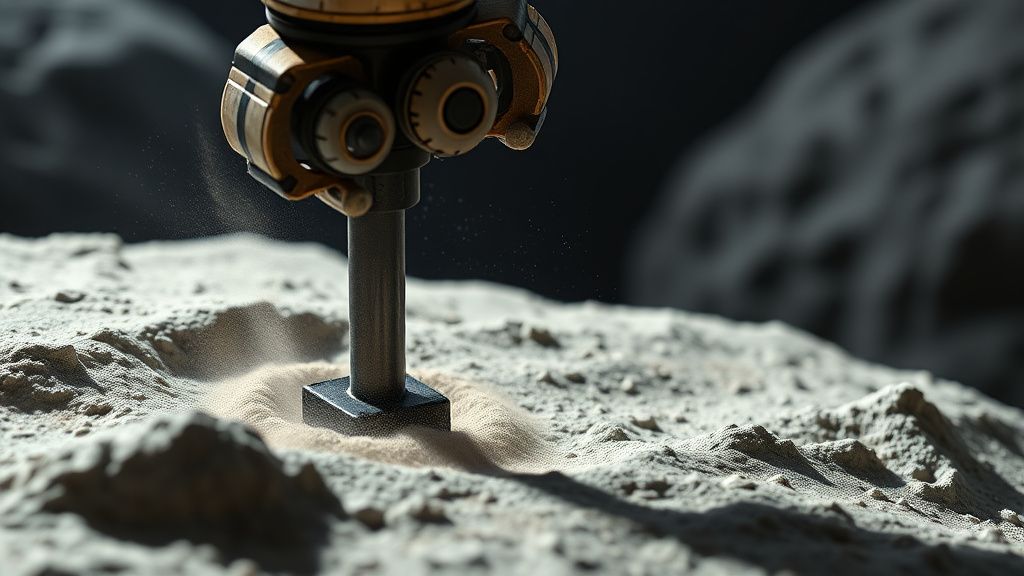
Consider the "Regolith Problem." Asteroid surfaces are not solid bedrock; they are often "rubble piles"—loose collections of dust and boulders held together by negligible gravity. If you drill into a rubble pile, you don't get a neat borehole. You might inadvertently cause the entire object to shift, destabilize, or spin uncontrollably.
A developer on a prominent space-tech Discord server recently noted:
"Everyone talks about the platinum in these rocks, but nobody talks about the fact that if you apply more than 50 newtons of force to a C-type asteroid, you’re basically just creating a cloud of debris that ruins your sensors and turns your $500M lander into a glorified sandblaster."
This is the reality often missed in investor decks, much like how traditional consultants overlook the nuances of scaling a high-margin home efficiency business in the current climate. We are looking at a future where "workaround culture" dictates development, mirroring the shift of brands who are ditching Amazon FBA for subscription boxes to find more efficient revenue models.
Real Field Report: The "SmallSat" Failure of 2028
In a quiet, little-reported incident involving a commercial cubesat-mining demonstration, the project failed not due to a lack of power or software bugs, but because of thermal expansion. In the shadows of the asteroid, the mining hardware contracted, seizing the drill bit; when it hit direct sunlight, it expanded, bending the chassis. The hardware was never meant to handle the extreme temperature swings in deep space for more than a few days, yet developers assumed a 6-month lifespan. This kind of "engineering compromise"—saving weight at the expense of thermal resilience—is where 90% of current missions fail.
The Debate: Precious Metals vs. Fuel
There is a massive divide in the community regarding the end goal of asteroid mining.