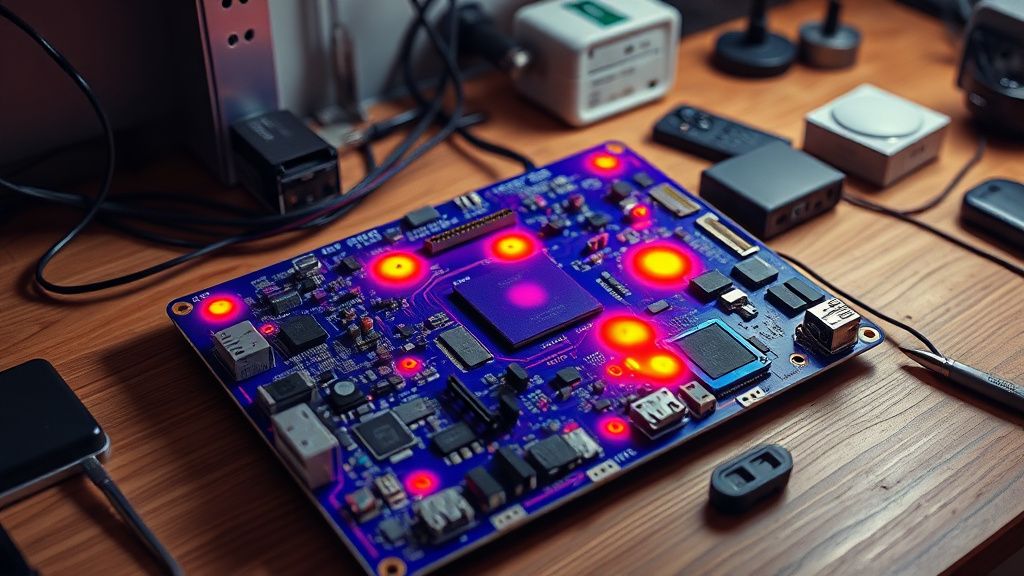
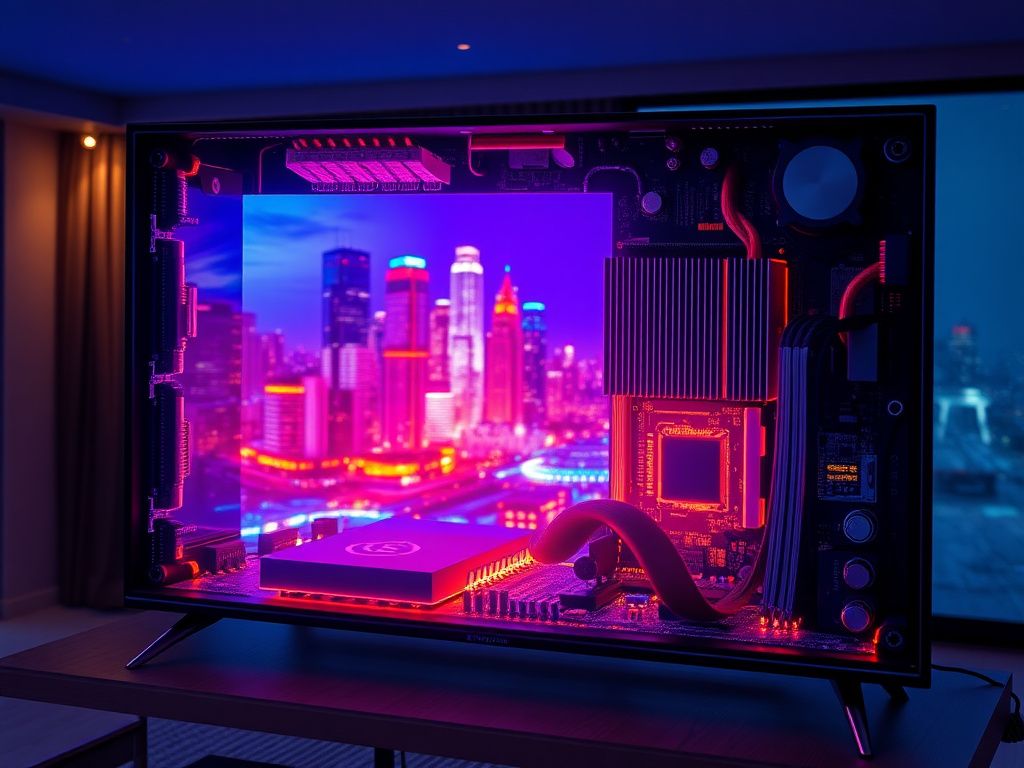
As modern living rooms increasingly mirror the ambient temperatures of the industrial server rooms they once replaced, the humble Smart TV has undergone a transformation from a passive display into an always-on, heat-generating computer. In the era of 4K/120Hz processing, HDR10+ metadata, and background background-app activity, your television is no longer just a screen; it is a thermal bottleneck. As smart homes become more packed with devices, internal component degradation—often leading to issues like Philips Air Fryer E03 error or Roomba communication failures—is compounded by urban heat islands, making heat the silent killer of electronics.
Modern Smart TVs are essentially high-performance gaming consoles trapped in flat, poorly ventilated plastic shells. When you combine high-bitrate streaming, AI-upscaling algorithms that run continuously, and the high-peak brightness required for modern HDR content, you create a thermal density nightmare. In environments where external ambient temperatures are rising—the "Urban Heat Island" effect—the passive cooling mechanisms used by manufacturers are failing to keep up with the processing demands of 2026-era chipsets.
The Silicon-Heat Paradox
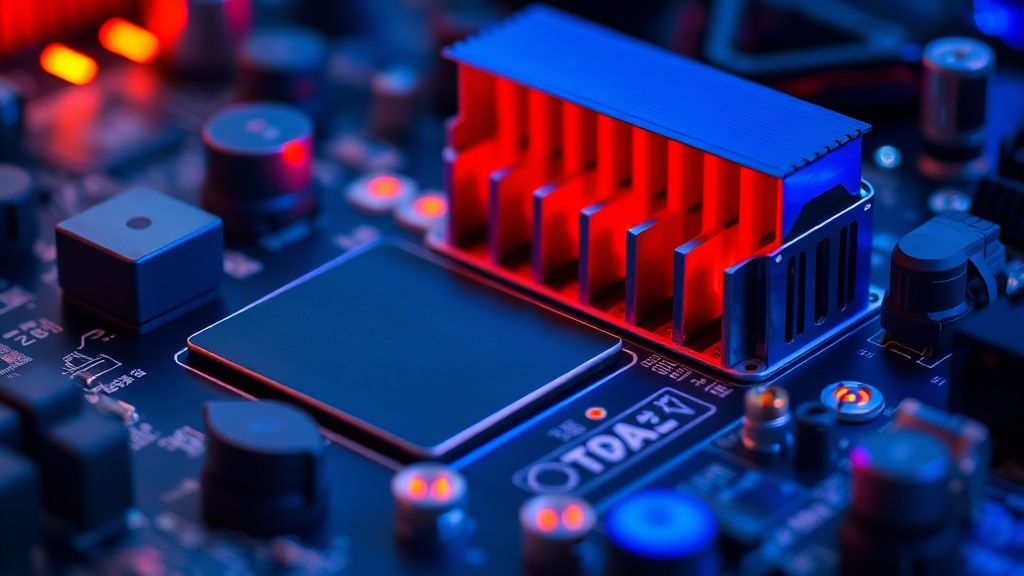
The transition to 4K and 8K resolution, combined with frame interpolation and AI-driven image processing, requires silicon that generates significant heat. Unlike a desktop PC with a 120mm fan and a massive heatsink, a 65-inch television chassis relies almost entirely on passive dissipation. The laws of thermodynamics are unforgiving: the thinner the television, the less volume there is for airflow, and the more likely heat is to be trapped against the back panel.
On community forums like AVSForum and Reddit’s r/hometheater, the narrative has shifted from "panel lottery" to "thermal reliability." Users are reporting vertical banding, pixel inversion, and premature backlighting failure, often in sets that are barely two years old. When you dig into the user logs of these affected units, the common denominator is often high-ambient room temperatures and "always-on" background processes, such as voice-activated microphones and constant content indexing for recommendations.
The Urban Heat Island and the Living Room
An Urban Heat Island (UHI) isn't just an environmental concern for urban planners; it is a factor in consumer hardware longevity. If you live in a dense metropolitan area where summer temperatures frequently exceed 35°C (95°F), your television’s "ambient intake" temperature is significantly higher than the theoretical 25°C used in factory stress testing.
When your wall-mounted TV is positioned against a wall that also traps heat, the cooling efficiency drops exponentially. Manufacturers rarely disclose "maximum operating ambient temperature" in their marketing materials, but engineering documents suggest that for every 10°C rise above the operating baseline, the lifespan of the electrolytic capacitors—the components most prone to heat-related failure—is effectively halved.
Engineering Compromises: Form vs. Function
The "thin is in" mantra has been a disaster for thermal management. To achieve a 5mm profile, engineers have had to implement "sheet metal heat spreaders" that are woefully inadequate for dissipating the heat generated by modern high-nits OLED or Mini-LED backlighting.
There is a significant industry debate regarding active cooling. Some fringe enthusiasts have begun installing external USB-powered cooling fans behind their panels, similar to the "modding" culture seen in early Xbox 360 or PS3 circles. While effective at dropping internal chip temperatures by 5-8°C, manufacturers argue this voids warranties and introduces dust particles into the sealed display panels.
If you are concerned about your home network's energy consumption, you can use smart thermostat energy arbitrage to cut bills by 15% while also considering how Wi-Fi fatigue may be impacting your focus.g our PPI Calculator to better understand the workload your processor is handling.
The Software-Heat Feedback Loop
Modern smart platforms (Tizen, WebOS, Google TV) are far more than just menu systems. They are effectively background-heavy OS environments. By 2026, many TVs are performing real-time object detection for advertising, background app refreshing, and constant Wi-Fi polling.
When you turn your TV "off," it rarely enters a true deep-sleep state. It enters a "standby" mode where the processor continues to run background tasks. In a warm room, this constant, low-level heat generation prevents the electronics from ever returning to a baseline ambient temperature. This is the "thermal soak" effect. Over thousands of hours, the constant heating and cooling cycle—thermal expansion and contraction—leads to micro-fractures in solder joints, the primary cause of the dreaded "black screen of death" that plagues post-warranty sets.
Field Reports: The Reality of "Service Mode"
In professional repair circles, we are seeing a trend. Technicians accessing the "Service Menu" of modern sets often find "Thermal Trip" logs that are never exposed to the end user. These logs track how many hours the SoC (System on a Chip) spent above its optimal operating threshold.