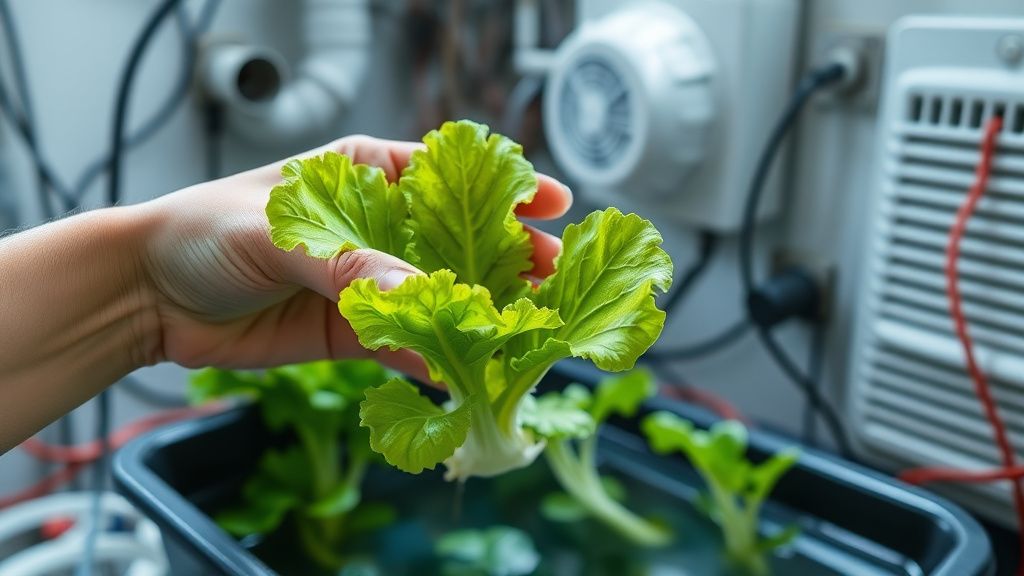
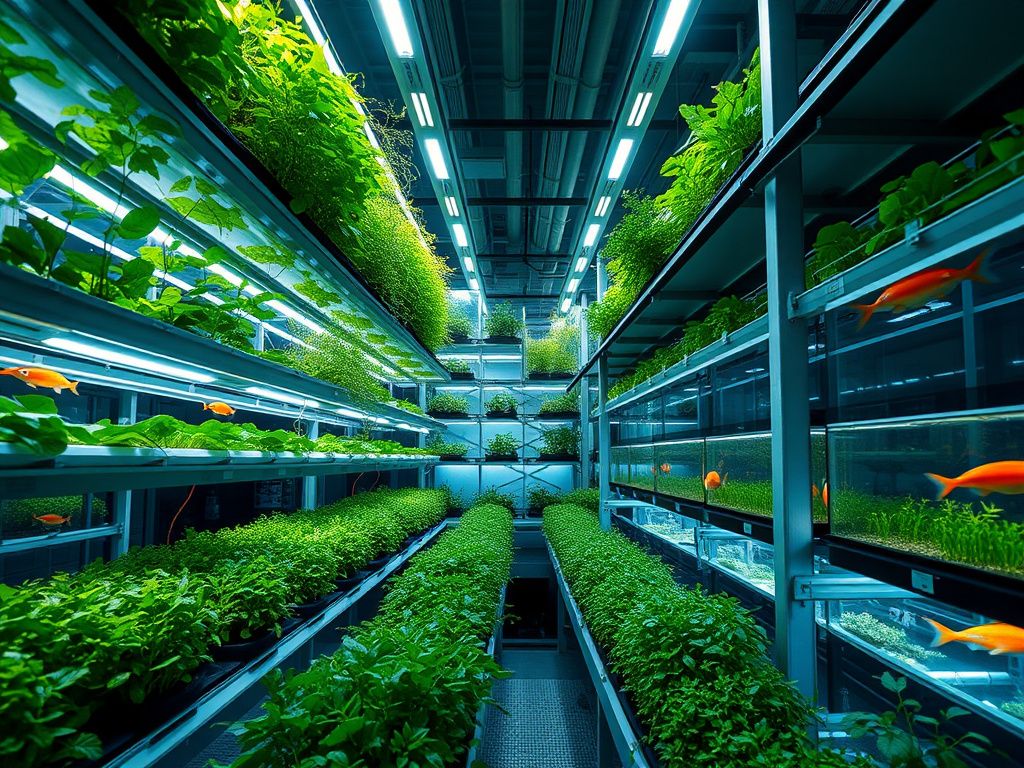
Vertical farming and urban aquaponics represent a necessary shift from extractive, land-intensive agriculture to precision-controlled biological manufacturing. By 2030, these systems will be less of a niche hobbyist pursuit and more of a critical infrastructure layer for dense urban centers, mitigating supply chain fragility and reducing the catastrophic water waste inherent in conventional open-field farming.
The transition toward controlled-environment agriculture (CEA) is not merely a technological upgrade; it is an operational imperative. Conventional industrial agriculture relies on a complex, linear chain—farm to distributor to grocery shelf—that is increasingly vulnerable to climate volatility, fuel price spikes, and geopolitical instability, much like the factors detailed in Why Bolivia's Lithium Power Play is Rattling Global EV Automakers. Vertical farming and aquaponics invert this model, moving production into the urban core, effectively "shortening" the supply chain to a matter of miles rather than continents. However, the path to 2030 is paved with significant engineering debt, energy cost crises, and a steep learning curve that many early-stage startups are currently failing to navigate.
The Thermodynamics of the Urban Pivot
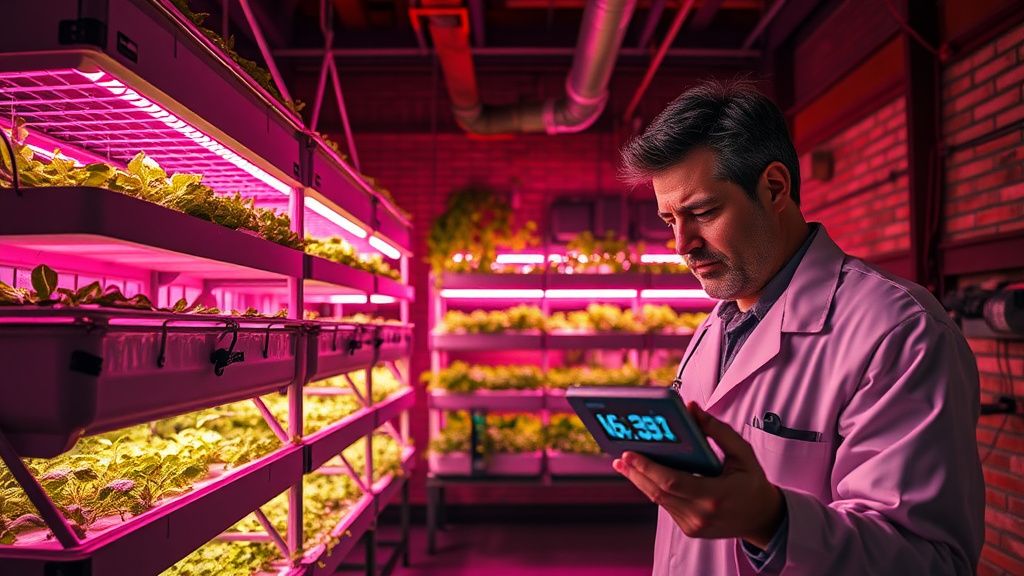
To understand why the "Urban Aquaponics Pivot" is essential, one must look past the sleek marketing of vertical farm startups and examine the energy-to-biomass ratio. In a traditional soil-based field, the sun provides the energy, and the soil provides the buffer for nutrients. In an urban vertical farm, the human becomes the climate regulator, the light source, and the nutrient balancer.
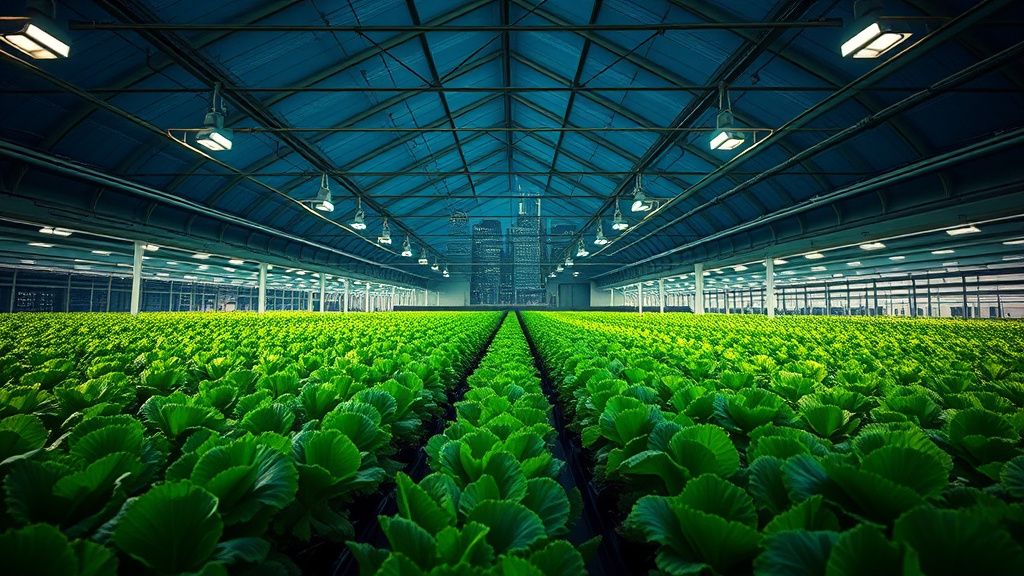
The fundamental tension here is energy cost vs. caloric density. Most vertical farms currently focus on high-value, fast-cycle crops like microgreens, basil, and leafy greens. Why? Because these are the only products that can currently justify the high energy overhead of LED lighting and climate control. If you attempt to grow calorie-dense crops—like potatoes or corn—in a vertical stack, the electricity costs alone make the final product prohibitively expensive for the average consumer.
This creates an operational "trap." Companies scale up, promise sustainable food for all, but end up serving the ultra-premium market because that’s the only way to pay the electricity bill. This is the "scaling paradox," a challenge often mirrored in digital ventures where entrepreneurs seek to Build and Sell AI Browser Extensions for a 5x Profit in 2026:
- Small scale: Profitable as a hobby, unsustainable as a business.
- Medium scale: Extremely high operational friction, constant technical issues with pumps, leaks, and bio-security.
- Large scale: High CAPEX requirement, massive energy footprint, and extreme pressure to achieve consistency across 50+ racks.
The Engineering Debt of Automated Systems
A visit to any major vertical farming facility in 2024 reveals the "ghost in the machine." Software platforms promise "set it and forget it" automation, but the reality on the ground—often as volatile as the market dynamics discussed in Is Social Copy-Trading Actually Profitable? The 2026 Reality Check—is a constant struggle against system failure.
Sensors fail due to corrosion from nutrient-rich water. Pumps clog with organic debris. Biological systems, specifically the nitrogen cycle in an aquaponics setup (fish waste turned into plant food via bacteria), are notoriously sensitive. If your ammonia levels spike because a bacterial colony dies, you aren't just losing crops; you are losing your livestock, which represents a massive sunken cost in feed and labor.
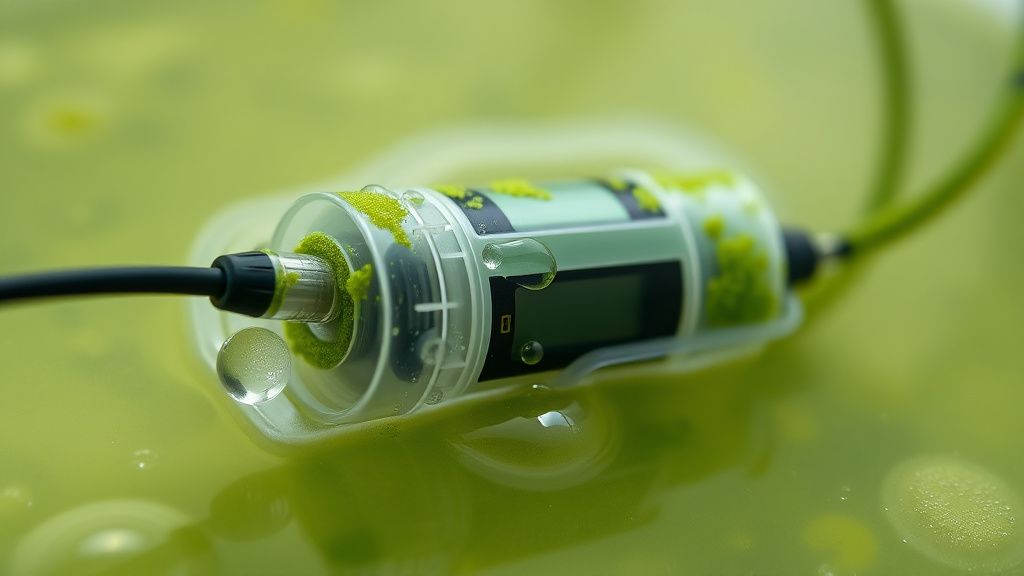
We see a recurring pattern in the industry: The "Platform Lock-in" Tragedy. Startups often build proprietary sensor suites and automated control systems. When the startup pivots or goes bankrupt, the farmers are left with millions of dollars in hardware that no longer receives software updates. For those who want to get into the technical side, you can model your energy needs as efficiently as those managing high-margin assets, such as experts who Scale a High-Margin Home Efficiency Consulting Business in 2026.), though real-world performance rarely mirrors simulation software.
Real Field Report: The "Greenhouse Bankruptcy" of 2022-2023
We cannot discuss the future of urban food without mentioning the sobering reality of recent years. Several high-profile vertical farming companies (which we will refer to as "the casualties of the VC hype cycle") attempted to scale too quickly between 2020 and 2022. They invested heavily in automated harvesting robots and proprietary LED configurations, assuming that Moore’s Law would apply to crop yields.
It did not.
The problem was operational complexity. When you scale to a 50,000-square-foot facility, a single mildew outbreak in one corner can jeopardize the entire harvest. In a soil-based farm, you isolate the field. In an indoor vertical farm, you share the same air circulation system. The result was massive, multi-million-dollar crop losses. These companies also ignored the "Human Factor." While they automated the harvest, they failed to account for the specialized knowledge required to maintain a complex recirculating aquaculture system. When the specialized technicians left, the plants died.
Why 2030 is the Threshold of Feasibility
Despite the failures, the pivot is still essential. By 2030, we expect three critical technical shifts to mature:
- Energy Decoupling: As urban grids integrate more localized renewable storage, the energy cost of CEA will drop.
- Modular Biology: Instead of "massive monoliths," the trend is shifting toward "distributed modules"—smaller, hyper-local systems that can be serviced individually, limiting the damage of a single point of failure.
- Sensor Reliability: Solid-state, corrosion-resistant sensors are finally moving from aerospace applications to agricultural ones.
The Human Side: The "Workaround" Culture
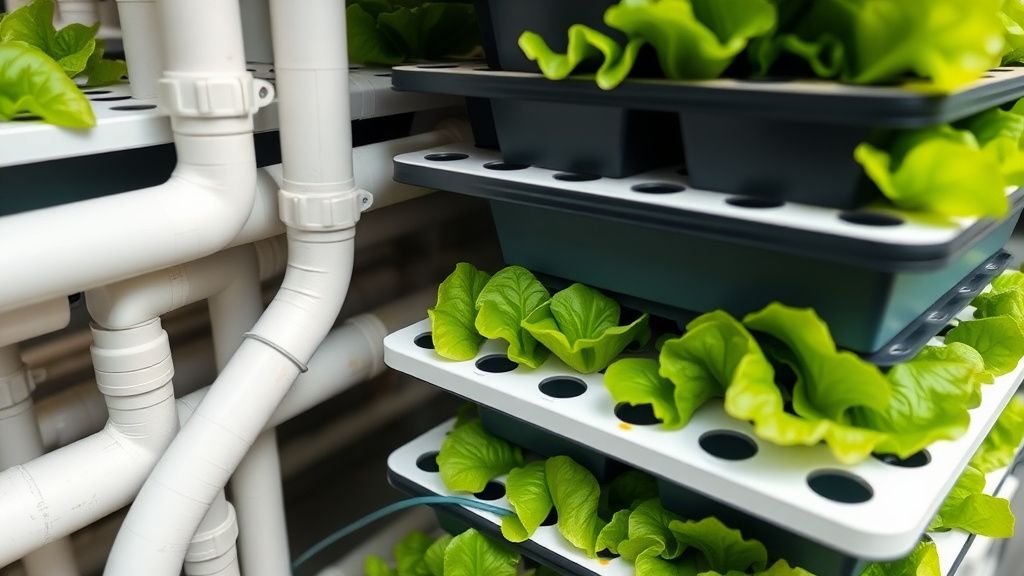
Walk into any functioning community aquaponics center, and you won't see a pristine, automated lab. You will see a tangle of PVC pipes, zip-ties, and DIY sensor rigs. The "workaround" culture is the beating heart of this movement. Professional growers in these spaces are often former software engineers or mechanical hobbyists who grew disillusioned with corporate supply chains.