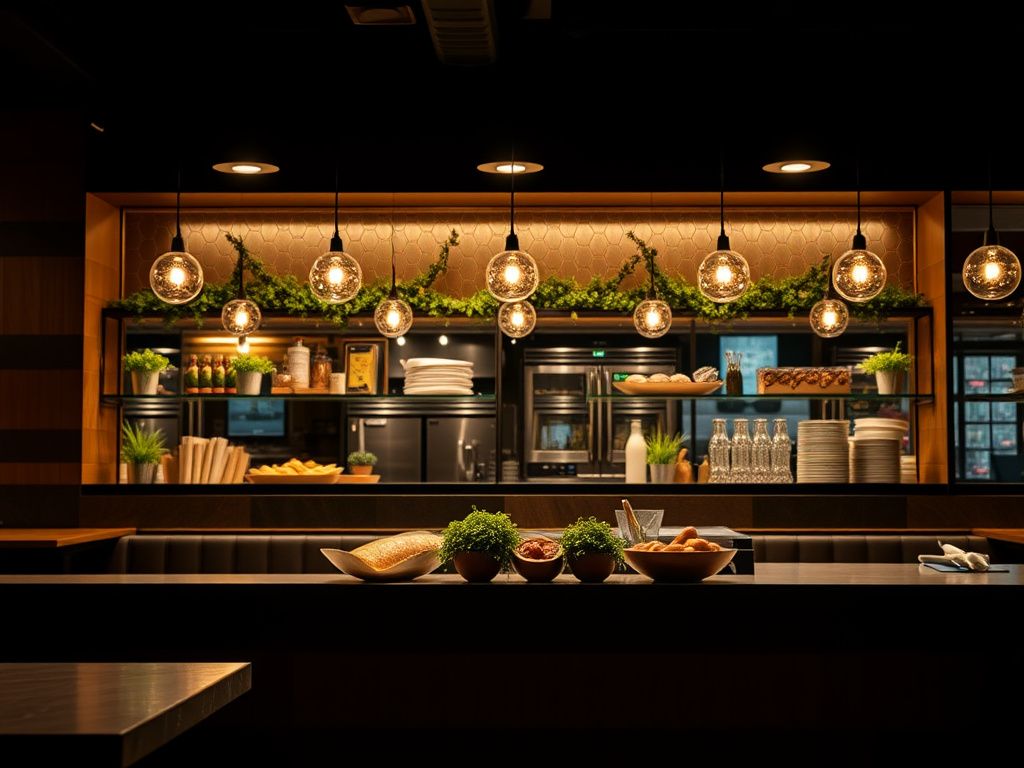
The allure of opening a restaurant is undeniable – a vision of vibrant spaces, delicious aromas, and the satisfaction of bringing people together over food. However, translating this culinary dream into a profitable venture by 2026 requires more than just passion; it demands rigorous strategic planning, shrewd financial management, and an unwavering commitment to operational excellence. Success hinges on a deep understanding of market dynamics, meticulous cost control, and a relentless focus on the customer experience.
The Ultimate 2026 Guide to Opening a Restaurant: A Deep Dive into Profits vs. Pitfalls
Opening a restaurant is an endeavor often romanticized, yet it stands as one of the most challenging business ventures, characterized by razor-thin profit margins and a high rate of failure. For those considering stepping into this dynamic arena in 2026, understanding the delicate balance between potential profits and inherent pitfalls is not just advisable—it's absolutely critical. This guide peels back the layers, offering a veteran's perspective on what it truly takes to succeed.
The Allure of the Culinary Dream: Understanding the Profit Potential
The restaurant industry, for all its challenges, remains a cornerstone of the economy and a powerful platform for entrepreneurs. When executed flawlessly, the financial rewards can be substantial, offering diverse revenue streams and significant growth potential.
Diverse Revenue Streams: Beyond the traditional dine-in experience, modern restaurants leverage multiple avenues for income.
- Dine-in Service: The heart of most restaurants, relying on strong
customer experience, efficient service, and high-quality cuisine. - Takeout & Delivery: A segment that exploded in recent years and shows no signs of slowing down. Strategic partnerships with third-party delivery platforms or an in-house delivery system can dramatically expand reach.
- Catering & Private Events: High-margin opportunities that can utilize kitchen capacity during off-peak hours and introduce your brand to new client bases.
- Merchandise & Retail: Selling branded goods, unique ingredients, or even meal kits can add incremental revenue and deepen brand loyalty.
Strategic Menu Engineering for Profit: The secret to healthy profit margins often lies within the menu itself. Through thoughtful menu engineering, restaurateurs can analyze the profitability and popularity of each dish. Items with high popularity and high profit contribution, often termed "stars," should be prominently featured. Conversely, "puzzles" (high profit, low popularity) might need promotional pushes or re-evaluation, while "dogs" (low profit, low popularity) are prime candidates for removal. Experts note that beverages, especially alcoholic ones, typically carry some of the highest margins in the business, making thoughtful drink lists a key profit driver.
Scalability and Brand Expansion: A successful restaurant concept isn't just a single location; it's a potential blueprint for expansion. A well-defined brand, optimized operations, and a loyal customer base can pave the way for multiple units, franchising, or even product lines, significantly increasing overall return on investment (ROI).
Navigating the Minefield: Identifying Key Pitfalls
While the potential for profit exists, the path is fraught with obstacles. Many aspiring restaurateurs underestimate the complexity and capital required, leading to early failures.
1. Capital Investment & Funding Challenges:
The initial capital investment required to open a restaurant is staggering. It encompasses:
- Real Estate: Leasehold improvements, construction, or purchase.
- Equipment: Kitchen appliances, dining room furniture, POS systems.
- Initial Inventory: Stocking the pantry and bar.
- Licensing and Permits: A bureaucratic labyrinth that can be both time-consuming and costly. Obtaining health department approvals, liquor licenses, fire safety permits, and business licenses requires significant upfront investment and patience.
- Working Capital: Crucially, many fail by underestimating the amount of cash needed to cover operating expenses for the first 6-12 months before reaching profitability. Payroll, rent, utilities, and ongoing
supply chain managementcosts don't wait for positive cash flow.
2. The Perilous Path of Site Selection:
Location isn't just important; it's often determinative. A poor site selection can doom a concept before the first dish is served. Factors to consider include:
- Visibility & Accessibility: Is it easy to find? Is there adequate parking or public transport access?
- Foot Traffic: Is your target demographic already passing by?
- Competition: Are you entering a saturated market, or is there a genuine gap for your concept?
- Demographics: Does the local population match your target audience's income, taste, and lifestyle?
3. Operational Complexity and Prime Costs:
Running a restaurant is an intricate dance of countless moving parts. Operational efficiency is not a luxury; it's a necessity for survival.
- Staffing Crisis: Recruiting, training, and retaining skilled labor is a perennial challenge. High turnover rates lead to increased training costs and inconsistent service. Effective
staff retentionstrategies, including competitive wages, benefits, and a positive work culture, are paramount. - Food Cost Percentage: This is the direct cost of ingredients relative to menu price. Managing
food cost percentagerequires meticulous inventory control, smart purchasing, and portion control. Small inefficiencies here can quickly erode profits. - Prime Costs: Comprising both food costs and labor costs,
prime costsare typically the largest expenses for any restaurant, often accounting for 60-70% of total revenue. Diligent tracking and management of these two areas are non-negotiable. - Supply Chain Management: Volatile food prices, delivery delays, and quality control issues from suppliers can disrupt operations and impact profitability. Building strong, reliable supplier relationships is crucial.
4. Marketing and Customer Acquisition:
In an increasingly crowded market, simply opening your doors isn't enough. Effective marketing strategies are essential to cut through the noise. This includes digital marketing (social media, local SEO, online reviews), traditional advertising, and cultivating a unique brand identity that resonates with your target audience. A mediocre customer experience will lead to scathing online reviews and a rapid decline in patronage.
5. The Burden of Restaurant Technology Trends:
Staying competitive means embracing technology, from modern POS systems and online ordering platforms to reservation software and kitchen display systems. While these tools can enhance operational efficiency and customer experience, they represent significant investments and require ongoing maintenance and training. The rapid evolution of AI and automation in back-of-house operations by 2026 will present both opportunities and learning curves.
Crafting Your Foundation: The Indispensable Restaurant Business Plan
Before even considering a lease, a comprehensive restaurant business plan is the single most important document you will create. It serves as your roadmap, attracting investors and guiding every strategic decision.
Key Components of a Robust Business Plan: