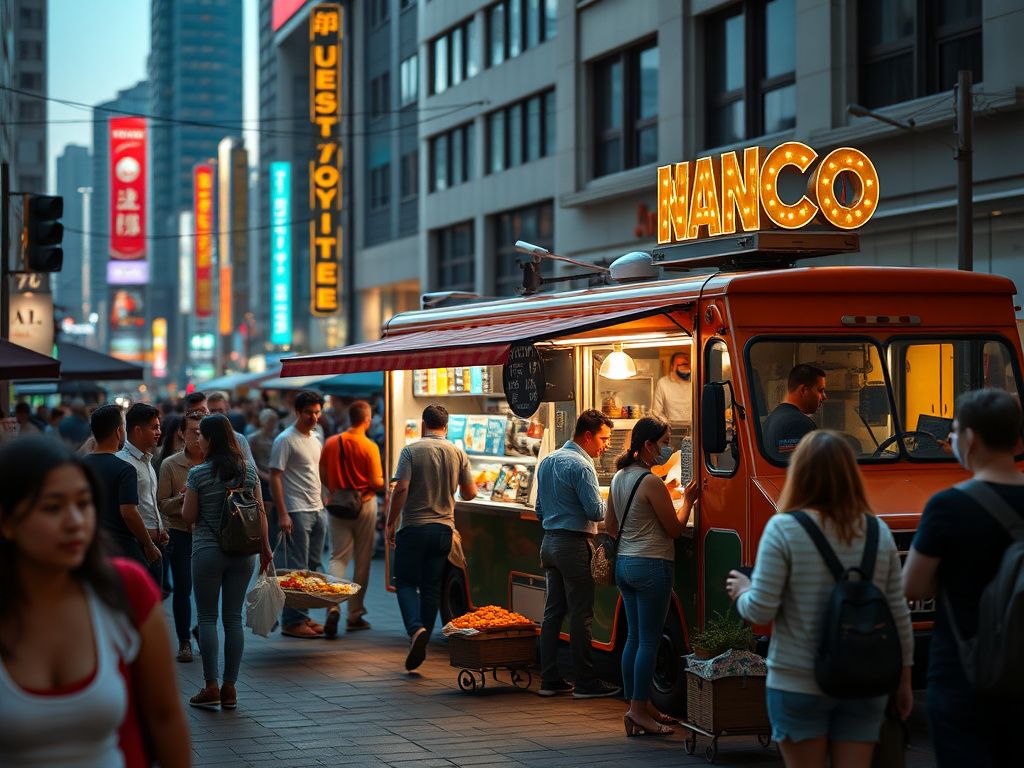
Yes, opening a food truck can still be profitable in 2026, provided entrepreneurs approach it with a strategic business plan, a compelling culinary concept, and a keen understanding of operational efficiencies and market dynamics. Success hinges on rigorous cost control, effective digital marketing, and the ability to adapt to evolving customer preferences and regulatory landscapes, rather than just culinary skill.
The aroma of sizzling street food, the vibrant murals on a custom-built vehicle, and the buzz of a queue forming – the allure of the food truck business remains potent. What began as a niche culinary movement has blossomed into a global phenomenon, democratizing entrepreneurship in the food sector. Yet, as we peer into 2026, the critical question for aspiring mobile restaurateurs isn't whether food trucks exist, but whether they continue to offer a viable path to profitability amidst an ever-evolving market. As a veteran digital commerce architect, I view the food truck not just as a kitchen on wheels, but as a dynamic, hyper-local commerce platform requiring strategic precision.
The Evolving Landscape of Mobile Gastronomy
The journey of the food truck from a simple utilitarian vehicle to a sophisticated mobile eatery has been remarkable. Historically, they served construction sites or offered late-night bites. The early 2010s saw a renaissance, fueled by social media's ability to create instant buzz and foodies' appetite for diverse, accessible, and often gourmet street food. This surge, however, also led to increased competition and, inevitably, market saturation in many urban centers.
Post-pandemic, the restaurant industry trends indicate a pivot towards increased demand for convenience, outdoor dining, and digital ordering. Food trucks, by their very nature, were uniquely positioned to capitalize on these shifts, offering a lower-overhead alternative to brick-and-mortar establishments during times of uncertainty. Experts note that this period accelerated innovation in mobile kitchen operations, pushing operators to integrate advanced POS systems and leverage online pre-ordering capabilities.
Pillars of Profitability in 2026: A Deep Dive
Profitability in the food truck sector in 2026 isn't a given; it's engineered. It requires a meticulous blend of culinary creativity and sharp business acumen.
1. Strategic Location and Permitting Navigation
Success often hinges on being in the right place at the right time. Identifying prime locations – whether it's a bustling office park during lunch, a vibrant university campus, or a popular festival – is paramount. This isn't guesswork; it's data-driven. Analyzing foot traffic patterns, understanding local demographics, and observing competitor movements are critical.
However, the operational freedom of a food truck is often constrained by municipal regulations. These can vary wildly from city to city, encompassing everything from parking restrictions and operating hours to zoning laws and noise ordinances. Securing necessary special event permits for festivals, concerts, or private catering gigs is a distinct and often lucrative revenue stream. Neglecting regulatory compliance can lead to hefty fines, operational shutdowns, and a significant dent in your nascent food truck business model.
2. Culinary Concept and Menu Optimization
In a crowded market, differentiation is key. A generic menu simply won't cut it. Developing a unique concept that resonates with a specific target audience is crucial. Are you offering gourmet vegan tacos, authentic regional BBQ, fusion bao buns, or a specialized dessert experience? Whatever it is, it needs to be memorable and execute flawlessly.
Beyond the initial idea, menu engineering is an ongoing process. This involves analyzing sales data to identify high-profit, high-demand items and optimizing ingredient sourcing. The goal is to minimize food costs while maximizing perceived value and quality. A smaller, focused menu often translates to reduced waste, faster service times, and simpler inventory control. This also makes it easier to manage a lean kitchen staff.
3. Operational Efficiency and Cost Management
The allure of lower startup costs compared to a traditional restaurant can be deceptive if operational overhead isn't meticulously managed. Fuel consumption, generator maintenance, propane costs, and unexpected truck repairs can quickly erode profit margins.
Key areas for cost control include:
- Labor Costs: Optimize staffing levels for peak and off-peak hours.
- Supply Chain Management: Forge strong relationships with suppliers to secure competitive pricing and reliable deliveries. Bulk purchasing, when storage allows, can also yield savings.
- Waste Reduction: Implement strict portion control, repurpose ingredients where possible, and monitor spoilage.
- Maintenance: Regular preventative maintenance for the truck and kitchen equipment is far more cost-effective than emergency repairs.
According to recent industry observations, successful operators leverage technology not just for sales but for back-end efficiency. Robust POS systems can track sales, inventory, and even customer preferences, providing invaluable data for decision-making.
4. Marketing and Customer Engagement
In 2026, a food truck without a strong digital marketing presence is essentially invisible. Social media platforms (Instagram, TikTok, Facebook) are indispensable for announcing locations, showcasing daily specials, and building a loyal following. High-quality food photography and engaging content are non-negotiable.