Sodium-ion (Na-ion) batteries are pivoting from laboratory curiosity to grid-scale reality for 2026. While Lithium-ion (Li-ion) dominates high-energy-density applications like EVs, Na-ion wins on raw economics: abundant, cheap salt-based precursors, improved thermal stability, and deep-discharge tolerance. However, supply chain fragmentation and lower cycle-life expectations compared to premium LFP chemistries remain significant operational hurdles for utility-scale deployment, much like how firms must navigate complex resource shifts in sectors discussed in Why the Deep-Sea Mining Boom is Hitting a Major Regulatory Wall.
The transition from Lithium-ion to Sodium-ion isn’t a clean, boardroom-sanctioned swap. It is a messy, bottom-up shift driven by the exhaustion of the lithium supply chain and the brutal math of grid-scale storage economics. In 2026, the question is no longer whether sodium-ion batteries work—they clearly do—but whether the infrastructure is prepared, similar to how institutional investors analyze their own diverse asset classes in DeFi vs. Private Credit: How Institutional Investors Are Balancing Yield in 2026.
The Economic Reality: Moving Past "Lithium-Equivalent" Metrics
For years, the industry measured everything against the "Dollar per Kilowatt-Hour" ($/kWh) benchmark of Lithium Iron Phosphate (LFP). By 2026, this metric has become dangerously reductive. Sodium-ion economics are not about matching LFP; they are about volumetric abundance.
If you are a grid operator, you don’t care if your battery is 10% smaller if the electrolyte is 40% cheaper and the cathode doesn’t rely on volatile mineral markets. The "Sodium Promise" rests on the price stability of salt versus the geopolitical minefield of lithium extraction in the "Lithium Triangle" of South America. However, the operational cost (OPEX) is where the story gets complicated. Because sodium-ion cells currently exhibit different self-discharge rates and require more robust Battery Management Systems (BMS) to balance cell voltage variances during deep cycles, the "hidden" costs of software and maintenance often eat into the initial savings of the hardware.
The Operational Friction: Scaling the Unknown
Go into any engineering discussion on GitHub or specialized forums like BatteryDesign.net, and you will find that the shift to Sodium-ion is causing a "scaling headache" for systems integrators. The primary friction is not the chemistry itself—it is the integration.
Most existing grid-scale systems are optimized for the voltage curves of Lithium-ion. Sodium-ion cells, particularly hard-carbon based systems, operate at a different voltage range. This means that if you try to hot-swap a sodium battery into a lithium-optimized inverter architecture, you are looking at significant firmware rewrites and, in some cases, hardware-level impedance mismatches.
One veteran systems architect on a popular industrial engineering Discord recently summarized the sentiment: "It works great until you actually scale it. Everyone touts the price per cell, but nobody talks about the massive cost of re-qualifying the power conversion systems for a voltage range that hasn't been standardized yet."
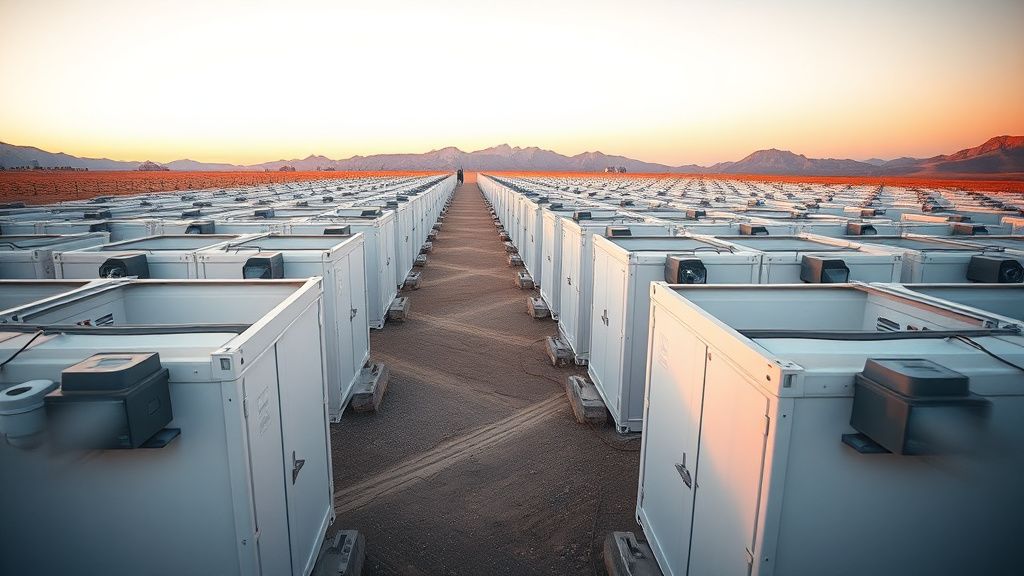
This is the "Workaround Culture" we see emerging in 2026. Companies are deploying bespoke, container-level DC-DC converters to normalize the sodium discharge curve, adding complexity that threatens to negate the very cost savings that made the tech attractive in the first place.
The "Deep Discharge" Advantage vs. Reliability Myths
One of the most persistent, and perhaps most misleading, narratives in battery marketing is that sodium-ion is a "drop-in replacement." It is not. However, it does possess a specific advantage: it can be stored and transported at zero volts.
Unlike Li-ion, which is a fire hazard if the voltage drops below a certain threshold (leading to copper dissolution and internal shorts), sodium-ion cells are fundamentally more stable in a dead state. For grid operators, this is a logistics dream, provided they manage their capital as carefully as those building wealth through Tokenized Real Estate: How to Build a Sustainable Digital Asset Portfolio. Shipping massive containerized storage systems no longer requires the stringent, high-cost "state of charge" management that governs lithium transport.
Yet, this brings us to the "Fail-Fast" reality. In early field deployments, we’ve seen issues with moisture sensitivity in the cell casing. Because sodium reacts differently to humidity than lithium, the manufacturing processes have had to adapt to much stricter clean-room requirements. Several smaller startups in 2025 had to recall entire batches of grid-storage modules due to electrolyte degradation caused by micro-fissures in the sealants—a classic "scaling failure" where high-volume manufacturing outpaced quality assurance.
Counter-Criticism: Why the "Sodium Revolution" May Stagnate
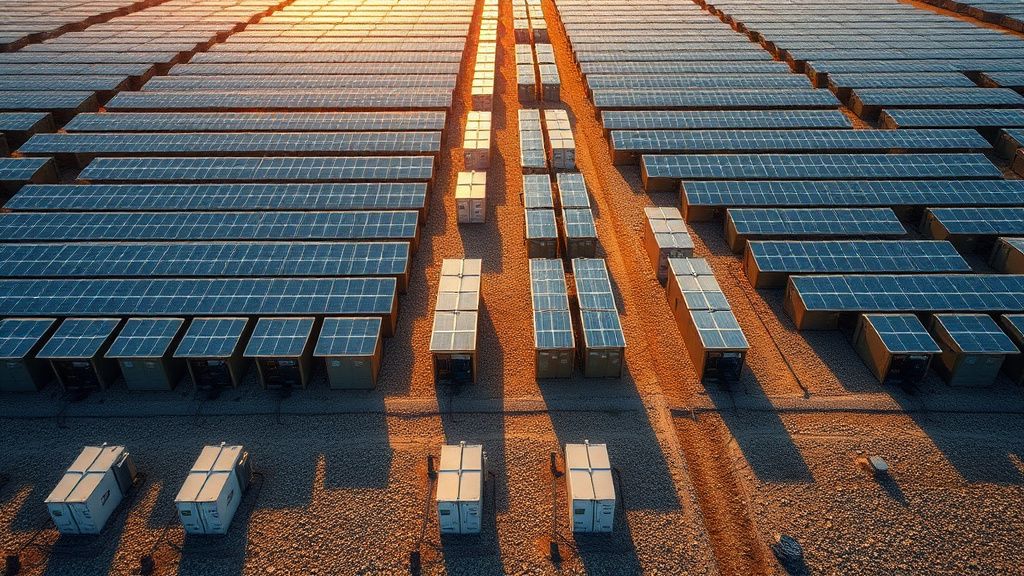
We must confront the elephant in the room: energy density. If you are building a grid-scale project in an urban area where real estate is expensive, sodium-ion’s lower energy density is a dealbreaker. You need significantly more land area to store the same amount of energy compared to High-Nickel Li-ion or solid-state batteries.
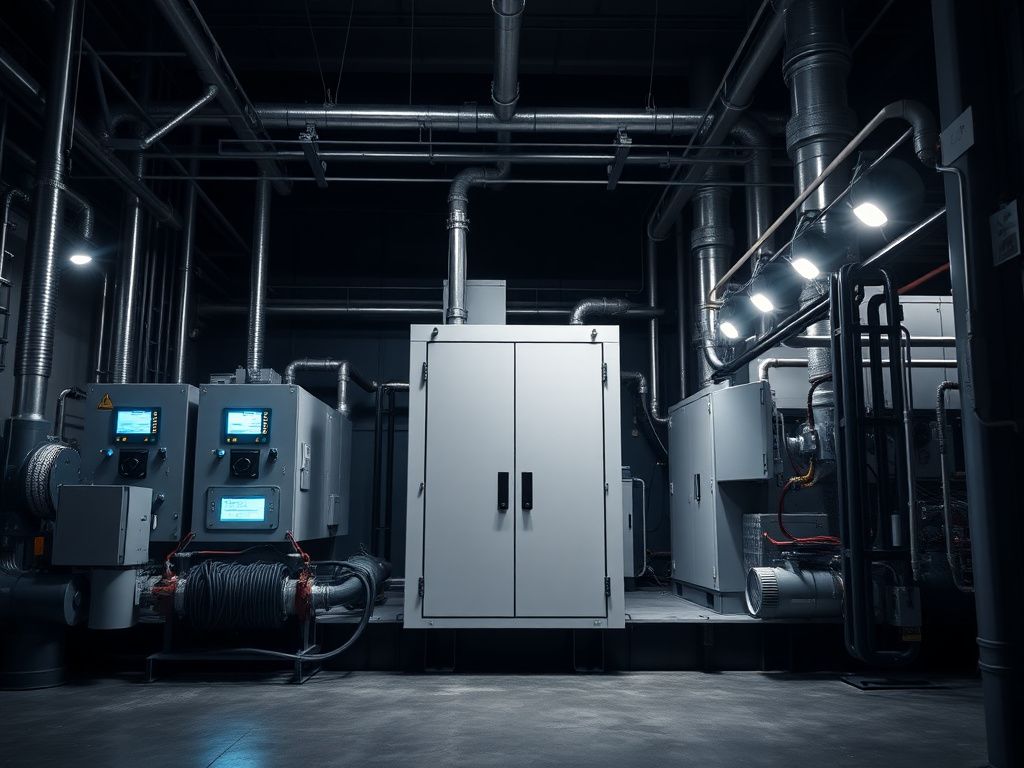
Critics in the industry, particularly those deeply invested in LFP, point out that the "Sodium is Cheap" narrative ignores the lifecycle efficiency. If your sodium-ion system requires 15% more cooling infrastructure due to different heat dissipation characteristics, and you have to replace the modules three years earlier than an LFP system, the Total Cost of Ownership (TCO) argument falls apart.