
The race to the bottom—literally—has hit a geological wall. By mid-2026, the global conversation surrounding deep-sea mining (DSM) has shifted from a speculative "frontier of progress" to a high-stakes, geopolitically fractured crisis. As the International Seabed Authority (ISA) grapples with a deadlock that would have seemed unthinkable three years ago, the lithium supply chain, already strained by erratic trade policies and stagnant mining output on land, is feeling the tremors. The moratoriums sweeping through key jurisdictions are no longer just environmental gestures; they are becoming hard, structural barriers that threaten the battery-electric vehicle (BEV) revolution.
The Clarion Call of the Clarion-Clipperton Zone
To understand the crisis, one must look at the Clarion-Clipperton Zone (CCZ), a vast expanse of the Pacific floor between Hawaii and Mexico. It is estimated to hold more manganese, nickel, and cobalt than all terrestrial deposits combined. These metals are the lifeblood of the NCM (Nickel-Cobalt-Manganese) and LFP (Lithium Iron Phosphate) battery architectures that define the current energy transition.
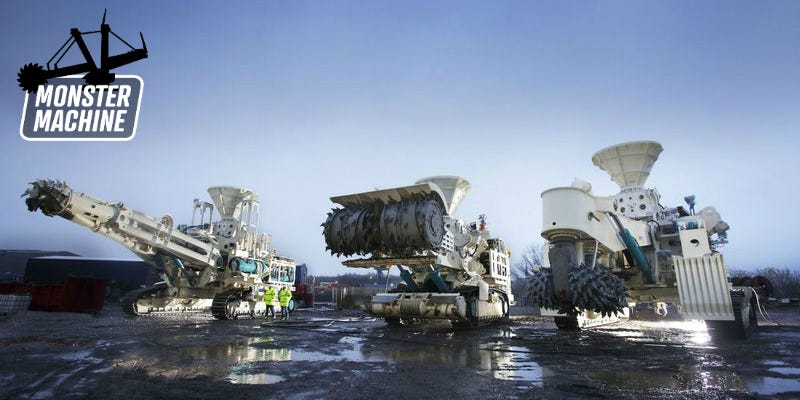
The premise was seductive: skip the land-based struggles of tailings dams, human rights abuses in the DRC, and the glacial speed of permitting mines in sovereign nations. Instead, use massive, remote-controlled autonomous crawlers to harvest polymetallic nodules from the abyss. The reality, however, has been a masterclass in hubris and operational failure.
Since late 2025, when the "Blue Consensus" moratorium—a cross-regional agreement involving several Pacific Island nations and European states—began to formalize, the narrative has flipped. Industry proponents, backed by venture capital firms and a handful of ambitious mining startups, are now effectively "locked out" of 60% of the priority exploration zones. The supply chain crunch isn't just about lithium; it’s about the entire cocktail of minerals that make the lithium-ion battery functional.
The Operational Reality: Why the Tech is Stuttering
The engineering challenge of mining at 4,000 meters is not just a "scale" problem; it is a fundamental physics nightmare. Field reports surfacing from early pilot projects in 2024 and 2025 on platforms like Hacker News and internal GitHub discussions among subsea roboticists paint a grim picture.
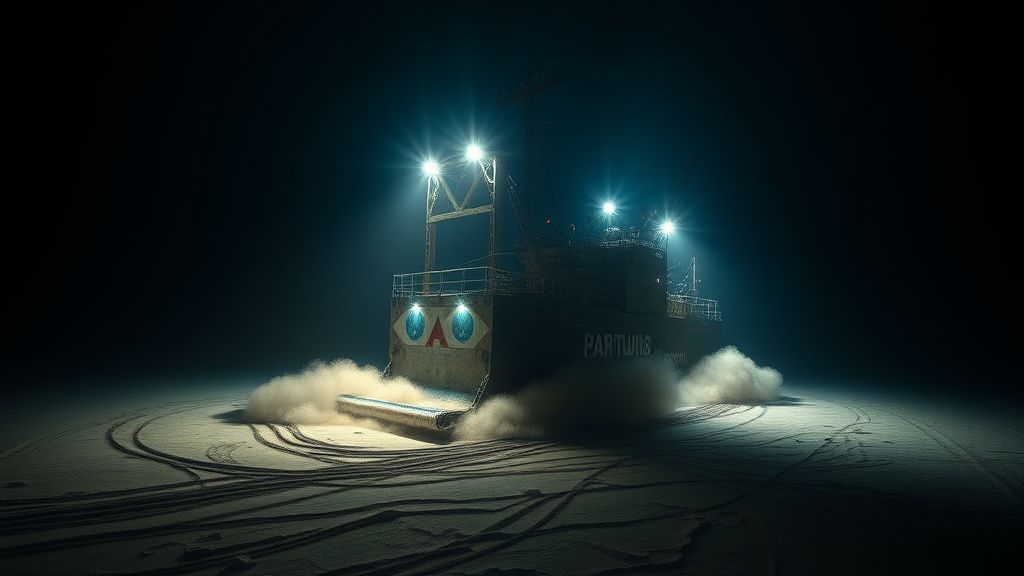
One anonymous lead engineer from a defunct project (let's call it "Project Abyss") put it bluntly in a private developer Slack channel: "The marketing deck promises a clean extraction of nodules. The reality is a six-meter-high plume of toxic sediment that turns the ocean floor into a zero-visibility soup. Our sensors were blind within twenty minutes of deployment. You aren't just mining; you're creating a permanent underwater smog."
The technical failures are compounded by latency. Remote operation from a ship on the surface, dealing with the crushing pressure and the immense difficulty of real-time diagnostics, has led to what maintenance crews call "The Three-Day Curse." When a collector head fails at that depth, the cost of recovery and repair is so prohibitive that the entire unit is often written off as a total loss. This isn't just an expense; it’s an insurance disaster. Lloyd’s of London and other major underwriters have begun to treat DSM projects with the same caution usually reserved for deep-space missions, drastically hiking premiums.
The Lithium Linkage: A Fragile Dependency
So, how does this affect the lithium supply chain? Lithium isn't found in nodules. However, the infrastructure of modern mining—the processing plants, the logistics chains, and the investment capital—is deeply intertwined. When the prospect of harvesting cobalt and nickel from the sea becomes a legal and operational dead-end, the investment capital doesn't simply wait for the next regulatory change. It vanishes.
Capital is allergic to "policy risk." With moratoriums expanding, mining giants are pivoting back to land-based assets in Canada, Chile, and Australia, but these sites have their own bottlenecks. The "Permitting Lag"—the time it takes from discovery to production—has increased from an average of 12 years in 2020 to nearly 17 years in 2026. This creates a "valley of death" in the supply chain where battery demand from the automotive sector is skyrocketing while the raw material inflow is throttled by a combination of ESG (Environmental, Social, and Governance) lawsuits and regulatory gridlock.

Counter-Criticism: The "Clean Energy" Paradox
The debate in Brussels, Geneva, and Washington is rarely about "saving the fish." It is a cold, calculated clash of industrial interests. Proponents of deep-sea mining argue that the moratoriums are a "Western gatekeeping mechanism" designed to keep mineral-rich developing nations poor.
"We are forced to choose between destroying the ocean floor or destroying the climate," says Dr. Elena Vargas, a prominent mining advocate who has become a lightning rod for criticism in the academic community. "If we don't scale extraction to meet the 2030 net-zero targets, the climate will collapse. You can't run a global economy on recycled materials alone when the demand is growing at 30% per year."
But the counter-critics argue this is a false binary. Organizations like the Deep Sea Conservation Coalition point to the catastrophic failure of "circular economy" scaling. The industry has consistently failed to provide a viable path to large-scale battery recycling. Instead, they view the sea as a "Get Out of Jail Free" card, allowing companies to avoid the messy, expensive work of building a genuine circular infrastructure.
The Fragmentation of the Industry
The current state of the industry is best described as "fragmented chaos." You have three distinct tiers of players:
- The State-Backed Heavyweights: China and Russia, currently pushing boundaries in the Indian Ocean, ignoring the ISA's more restrictive mandates by declaring their own "sovereign research zones."
- The ESG-Constrained Majors: Companies like Glencore or Anglo American, which have publicly stepped back from deep-sea ventures to avoid the PR fallout and shareholder divestment campaigns.
- The "Desperation Startups": Well-funded, high-risk ventures that are trying to "hack" the system by using advanced AI for autonomous swarm-harvesting, hoping to finish the job before the next round of UN-level treaties closes the loophole.
The failure of the 2025 "Global Deep-Sea Accord" has only empowered these groups to act outside of international oversight. This has led to what analysts call "The Wild West of the Abyss." Vessels operating under flags of convenience are performing "exploratory harvesting"—essentially poaching resources under the guise of scientific testing.
Human Behavior and The "Workaround Culture"
Why does this continue despite the failures? Because the incentive structure is broken. Battery OEMs (Original Equipment Manufacturers) are so desperate to avoid the next lithium price spike—which occurred in late 2024 following the brine mining strikes in Chile—that they are willing to sign "off-take agreements" with entities that operate in legal grey zones.