
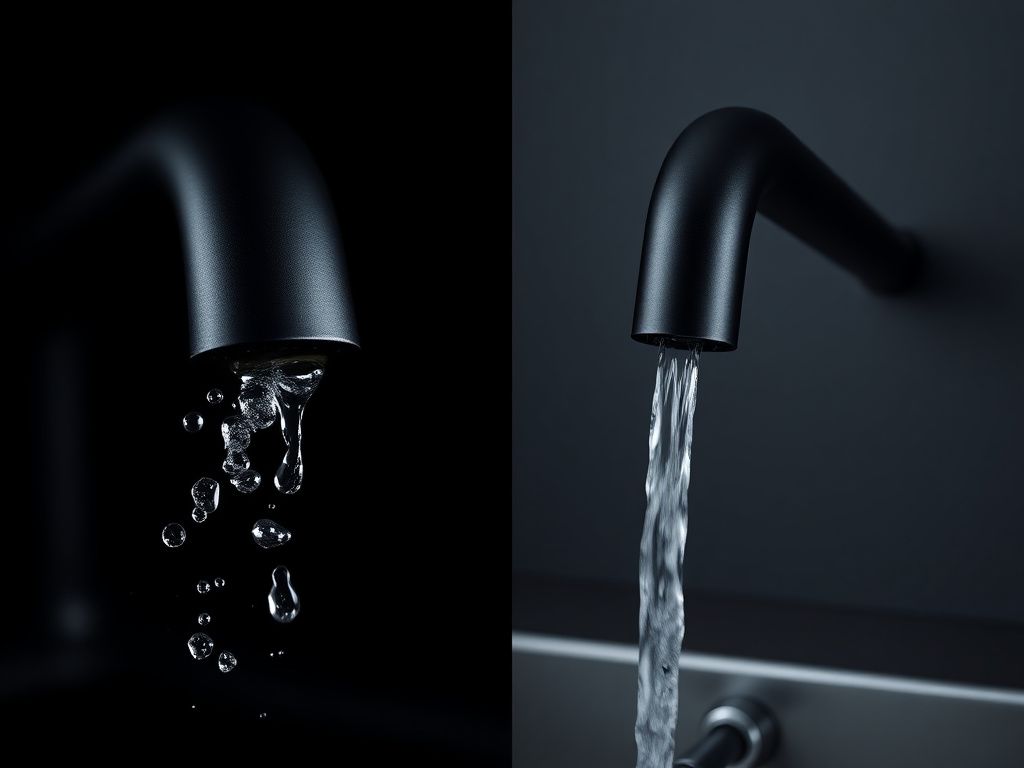
To safely remove stubborn water spots, use a 50/50 solution of distilled white vinegar and distilled water. Apply it with a soft microfiber cloth, let it sit for 1-2 minutes maximum, then gently wipe. Rinse the area thoroughly with clean distilled water and immediately buff dry with a separate, clean microfiber cloth to prevent new mineral deposits.
Matte black fixtures have become the centerpiece of modern bathroom and kitchen design, offering a bold, sophisticated aesthetic that elevates any space. Their velvety, non-reflective surface provides a stunning contrast to glossy tiles and natural stone. However, this unique finish has an Achilles' heel: its susceptibility to hard water spots and mineral buildup. Unlike its polished chrome counterpart, you can't simply polish away imperfections. A mistake here isn't just a temporary blemish; it can be a permanent scar on your investment.
As a lifestyle and materials expert, I've seen countless homeowners inadvertently damage these beautiful finishes with the wrong tools and techniques. This definitive guide will equip you with the precise knowledge to not only remove existing water spots but also to implement a care regimen that preserves that factory-fresh look for years to come.
Understanding the Enemy: Why Matte Finishes Are So Sensitive
Before we touch the faucet, we must understand the science behind the problem. A matte black finish, whether it's an electroplated coating or a more durable PVD (Physical Vapor Deposition) coating, is designed with a microscopic texture that scatters light rather than reflecting it. This is what creates its signature soft, muted appearance.
Water spots are the visible result of mineral deposits—primarily calcium and magnesium—left behind after water evaporates. This is particularly problematic in areas with hard water. When these chalky white deposits land on a glossy surface, they are noticeable but can often be wiped away or polished out. On a matte surface, two things happen:
- They Bond Tenaciously: The textured surface gives the mineral deposits more microscopic nooks and crannies to cling to, making them harder to remove.
- Improper Cleaning Causes Permanent Damage: The real danger lies in the cleaning process. If you use an abrasive sponge, a harsh chemical, or even a rough cloth, you are not just removing the spot; you are burnishing or scratching the finish. This flattens the microscopic texture, creating a smooth, shiny patch that reflects light differently. This "shiny spot" is irreversible damage. You have permanently altered the light-scattering properties of that area.
The Cardinal Sins: Cleaning Products and Tools to Absolutely Avoid
Consider this your "do not fly" list for matte black faucet maintenance. Using any of these will likely lead to regret and a call to a plumber for a replacement.
- Abrasive Cleaners: Comet, Ajax, Bar Keepers Friend, baking soda pastes, or any scouring powder. These are essentially fine-grit sandpaper and will scratch the finish.
- Scouring Pads & Stiff Brushes: This includes the green side of a kitchen sponge, steel wool, and any brush with stiff bristles. They will mechanically abrade the surface.
- Bleach-Based or Ammonia-Based Cleaners: Harsh chemicals can cause discoloration and break down the integrity of the finish over time.
- All-Purpose Sprays with Strong Acids or Alkalis: Many common kitchen and bath sprays contain citric acid or other aggressive ingredients that are too strong for delicate coatings. Always check for a pH-neutral formula.
- "Magic" Erasers: These are made of melamine foam, which acts as an extremely fine abrasive. While effective on other surfaces, it will ruin a matte black finish.
- Waxes or Polishes: Any product designed to create shine is the antithesis of what you want. They will fill in the matte texture, leaving a blotchy, greasy-looking mess.
The Professional Cleaning Protocol: A Tiered Approach
Treat your faucet like a luxury vehicle. You don't start with a heavy-duty compound; you start with the gentlest method possible and only escalate as needed. Always test any cleaning solution on an inconspicuous area first, like the back of the faucet base near the wall.
Tier 1: Daily Prevention (The 30-Second Wipe-Down)
The single most effective strategy requires no cleaners at all. The goal is to prevent water from ever evaporating on the surface.