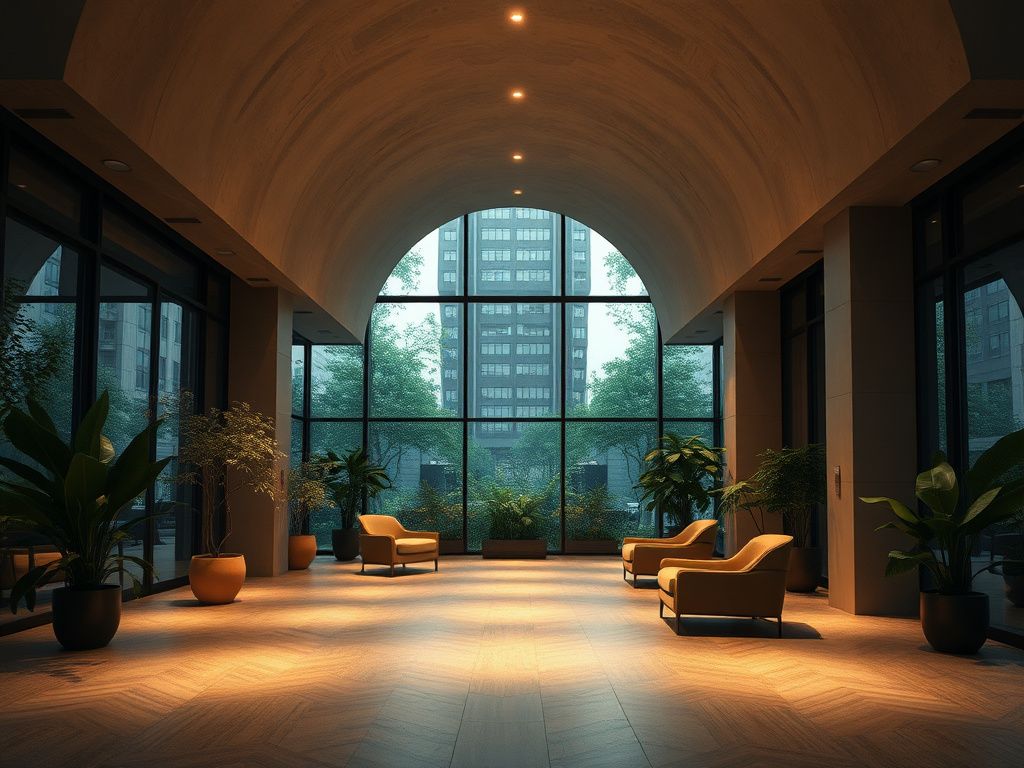
Digital burnout is no longer just a "tech-heavy work week" symptom; it is an endemic condition caused by the collision of hyper-connected software and poorly calibrated physical environments. By 2026, neuro-urbanism—the intersection of neuroscience, architecture, and urban planning—seeks to reverse this by designing homes and cities that regulate the human nervous system, much like how specialized infrastructure is currently shifting AI compute rental away from generic clouds to optimize performance.
The Architecture of Cognitive Fatigue
We are currently living in a state of "continuous partial attention." Modern interior design, heavily influenced by open-plan aesthetics and "smart home" integration, has prioritized connectivity over cognitive hygiene. The result? A home environment that constantly competes for your prefrontal cortex’s resources.
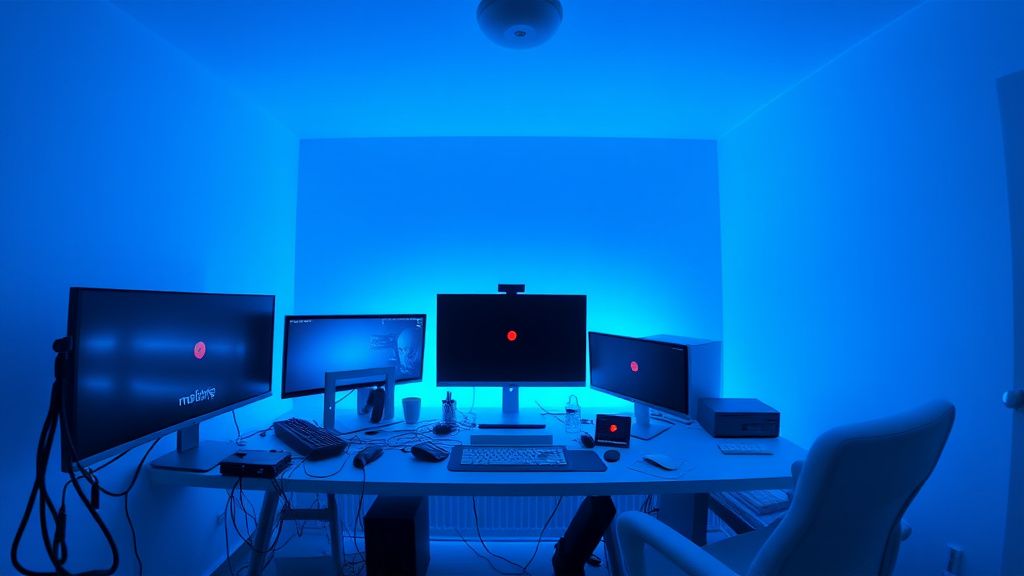
Neuro-urbanism argues that the physical layout of your living space—the way light hits your workspace, the acoustic dampening of your bedroom, and the "nature-deficit" in your high-rise apartment—dictates your baseline cortisol levels. If your home is designed to be a notification hub, your nervous system remains in a perpetual "fight-or-flight" state, a situation compounded by the fact that traditional cybersecurity is failing enterprises in 2026 due to similar fragmentation issues.
The 2026 Shift: From Connectivity to Recovery
By 2026, the industry is pivoting toward "frictionless disengagement." This isn't just about turning off your phone; it’s about physical infrastructure that enforces downtime.
- Acoustic Zoning: Using sound-masking materials that cancel out high-frequency digital hums (the literal sound of modern electricity).
- Circadian Lighting Integration: Moving away from static overhead lighting toward smart-systems that mimic the color temperature arc of the sun is crucial for recovery, and research shows that 10 minutes of morning sunlight is the ultimate productivity hack for maintaining these natural rhythms.
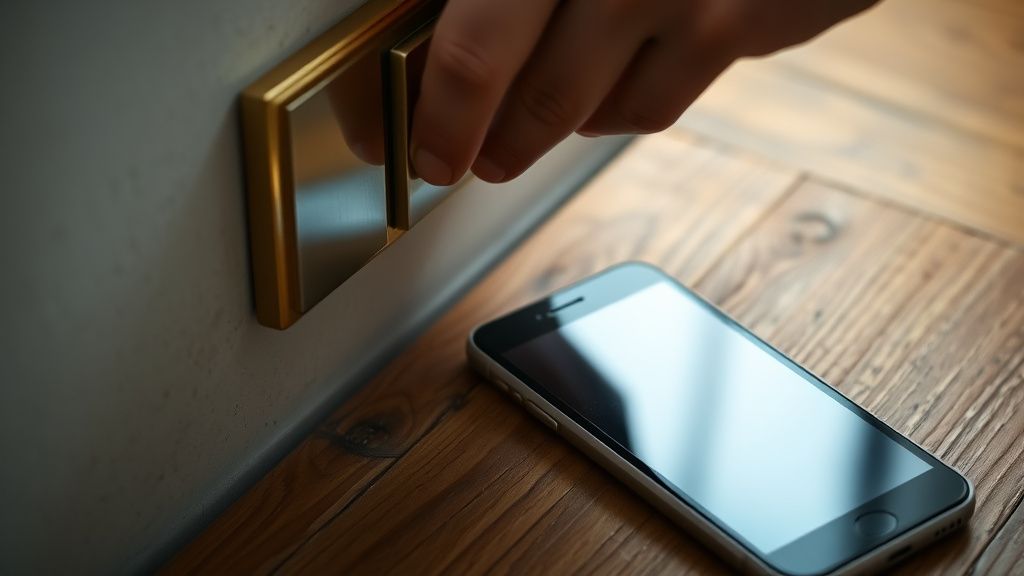
- The "Analog" Buffer: Designing entryways or transitional zones in homes where mobile devices are physically separated from living areas.
The Problem with "Smart" Everything
The current trend of "smart" integration is often a psychological trap, similar to how investors navigating complex markets must learn how to balance profits with new tax rules in our 2026 DeFi yield guide. When everything in your house requires an app to function, your home becomes an extension of your digital workload. This creates a "support nightmare" where a simple lightbulb outage requires a firmware update, leading to what users on forums like r/HomeAutomation call the "death of utility."
When you add a device to your ecosystem, you aren't just adding a tool; you are adding an operational maintenance cost. If you're currently struggling with screen fatigue, you might want to check your current setup's health using our PPI Calculator to ensure your font scaling isn't forcing unnecessary eye strain, which is a major contributor to late-day cognitive burnout.
Real Field Report: The Failure of the "Connected Loft"
In 2024, a boutique development project in Berlin attempted to market "Neuro-Optimized Smart Lofts." The units featured AI-driven climate, lighting, and soundscapes based on user stress levels.
The reality? The system was plagued by "algorithmic interference." Residents reported that the AI would trigger high-energy lighting settings during deep-work sessions because of a minor movement fluctuation, or turn off the music at a crucial moment. By mid-2025, the community Slack channel was a disaster of residents troubleshooting their living rooms. The lesson was clear: Human agency over the environment is more important than algorithmic prediction. Neuro-urbanism isn't about letting a computer decide how you feel; it’s about designing a space that makes it easier for you to regulate your own nervous system.
The Urban Scale: Designing Against the Grid
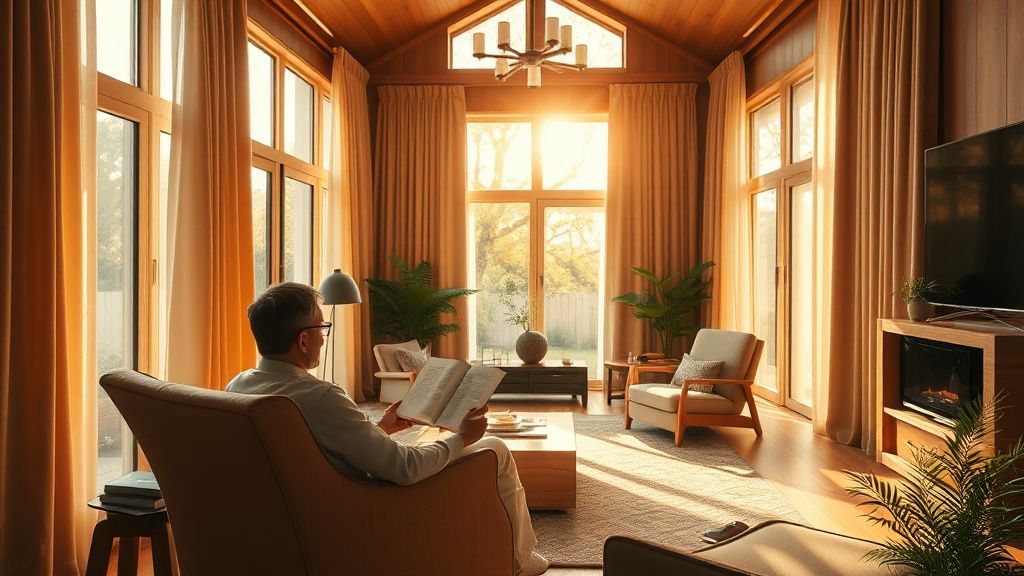
If the home is the sanctuary, the city is the stressor. Digital burnout is exacerbated by "sensory flooding," a phenomenon that keeps us locked in outdated systems while the world moves toward tokenized real estate and other transformative 2026 economic models. Our brains are wired for the savanna; they are not wired for the constant, flickering stimuli of transit screens, digital billboards, and high-frequency noise of urban environments.
- Micro-Parks as Cognitive Restorations: Urban planners are increasingly adopting "Attention Restoration Theory" (ART). The idea is that short, repeated exposure to nature reduces the "cognitive noise" caused by the city. By 2026, the focus is on the "3-30-300" rule: 3 trees visible from your window, 30% canopy cover in your neighborhood, and a 300-meter distance to a park.
- Visual Quiet Zones: There is a growing movement in European cities to limit digital signage in residential districts. The argument is that visual clutter is a public health hazard that accelerates burnout.
The "Workaround" Culture: Why We Still Need Analog
Because architecture moves slowly and tech moves fast, most people live in spaces that are functionally broken for their mental health. The "workaround" culture is where we see the most innovation.
- Faraday Cages for Sleep: High-end bedroom design is now incorporating signal-blocking fabrics to ensure that the "always-on" digital pulse doesn't disrupt deep sleep.
- Manual Overrides: The most successful 2026-ready homes are those that prioritize physical switches over capacitive touch. Tactile feedback is essential for grounding—it provides the brain with a definitive "off" state that a screen icon never can.