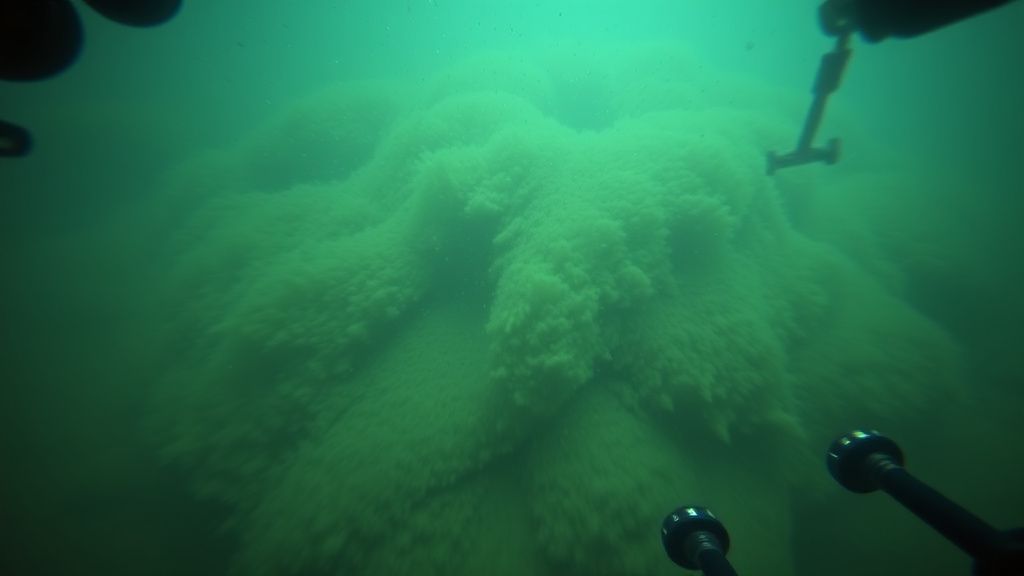
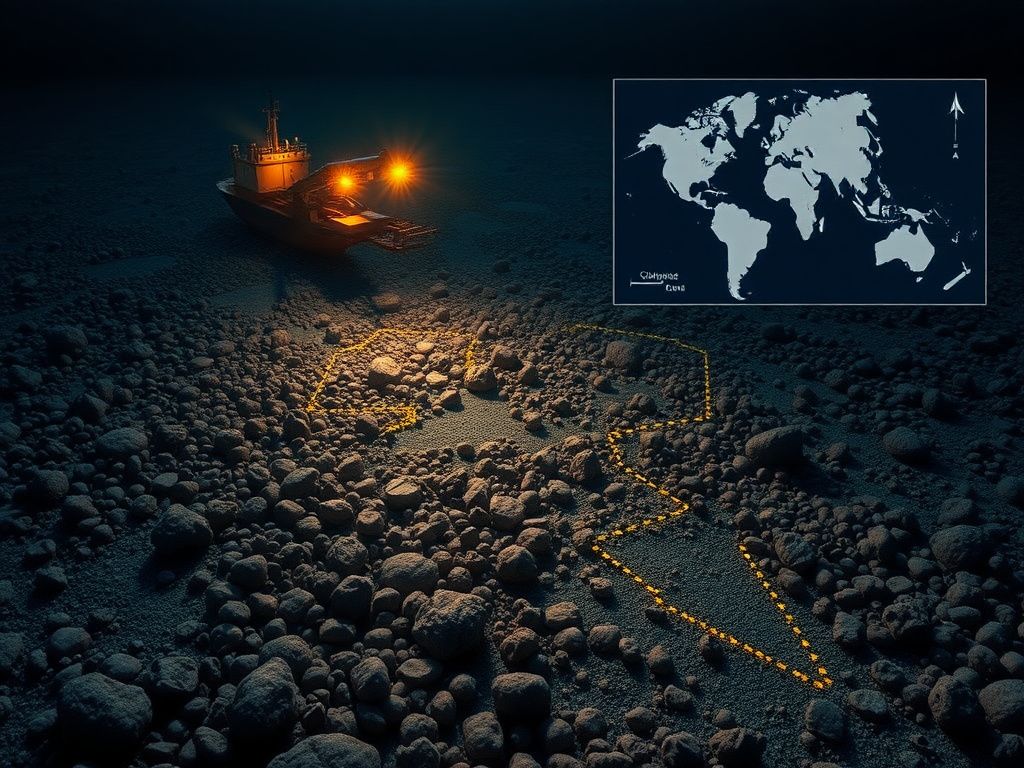
The deep-sea mining race for polymetallic nodules—potato-sized rocks rich in manganese, nickel, copper, and cobalt—is morphing from a fringe industrial fantasy into a geopolitical pressure cooker. At its core, the scramble represents a fundamental tension between the desperate global demand for battery metals and the irreversible ecological cost of scraping the seafloor in the Clarion-Clipperton Zone (CCZ). While advocates frame this as the only viable path to green energy, critics warn of a "tragedy of the commons" playing out 4,000 meters below the surface.
The Economic Engine: Why the Abyss?
The economic rationale for deep-sea mining isn't rooted in greed alone; it is rooted in supply-chain fragility. As the global automotive sector pivots toward Electric Vehicles (EVs) and shifts toward regionalized supply chains—a critical focus as corporations move manufacturing closer to home in 2026—the demand for battery-grade nickel and cobalt is expected to outstrip terrestrial supply by 2030. Mining firms, often navigating complex fiscal landscapes similar to those struggling with sovereign debt contagion and renewable energy default, argue that terrestrial mines are increasingly plagued by labor issues, geopolitical instability, and grade-depletion.
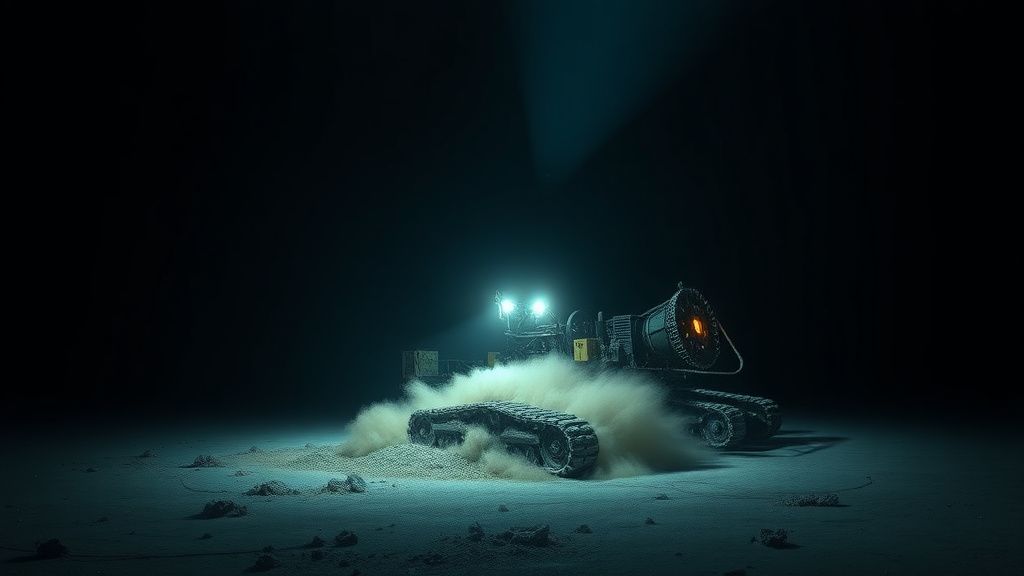
The polymetallic nodules sitting on the ocean floor are, in industry parlance, "high-grade." Unlike terrestrial ores that require massive overburden removal and refining, these nodules are effectively sitting on the surface, waiting to be vacuumed. However, this is where the operational reality diverges from the brochure. The physical environment is extreme: pressures reaching 400 atmospheres and near-freezing temperatures mean that every mechanical component is a potential point of failure.
The Operational Reality: A History of "Almost"
We have been here before. In the 1970s, the "Deepsea Ventures" project attempted the first large-scale mining operation. It failed not because of bad geology, but because of the sheer engineering friction. Maintaining a riser pipe four kilometers long while keeping a collection vehicle on the seafloor is a logistical nightmare.
Current operators, such as The Metals Company (TMC) and various state-sponsored enterprises from China and Japan, are dealing with the same structural constraints:
- Energy Transfer: How do you power a heavy crawler at depth without a tether that snaps under its own weight?
- Sediment Plumes: The "invisible" cost. The sediment stirred up by collection machines can travel for miles, potentially choking filter-feeding organisms in a delicate ecosystem that has evolved over millions of years of stillness.
- Scale: Most trials have been small-scale. The transition from a proof-of-concept prototype to a 24/7 industrial fleet of mining vessels is a massive leap that requires robust infrastructure, much like the precision required when scaling an AI automation agency and integrating complex payment systems.

The Geopolitical Flashpoint: The ISA and the "Two-Year Rule"
The International Seabed Authority (ISA) is the gatekeeper, operating under the UN Convention on the Law of the Sea (UNCLOS). They are tasked with the impossible mandate: protecting the marine environment while simultaneously organizing the extraction of resources.
The situation turned into a crisis when Nauru, a small island nation, triggered the "two-year rule" in 2021. This obscure legal clause forced the ISA to finalize mining regulations within two years, effectively pushing the industry toward a "ready or not" rollout. This created a fractured landscape:
- The Pro-Mining Bloc: Countries like Nauru, Kiribati, and the Cook Islands see this as a path to economic sovereignty.
- The Moratorium Camp: France, Germany, and several Latin American nations are calling for a "precautionary pause," arguing that we lack the baseline scientific data to understand the impact.
The tension manifests in the ISA council meetings, which have become increasingly performative and tense, echoing the volatile shifts in labor dynamics where quiet quitting is evolving into a remote work crisis. You see a clear divide: scientists who advocate for decades of monitoring versus legal teams who advocate for immediate regulatory certainty.
The "Broken-Promise" Risk: Why Investors Are Nervous
The investment case for deep-sea mining is built on a "green" narrative, but the volatility is extreme. If you follow the discourse on forums like Hacker News or specialized ESG investment threads, you notice a recurring theme: regulatory uncertainty.
Companies like TMC operate in a zone of high risk. Their stock prices fluctuate based on legislative updates rather than resource output. This is a classic "hype-cycle" trap. For the individual investor or the institutional analyst, the risk isn't just the environment; it’s the potential for the ISA to pull the rug out from under existing contracts due to pressure from the EU or NGO lobbying.
Furthermore, technical failures are rampant. In recent test runs, we’ve seen reports of collection vehicles losing traction in the soft sediment or experiencing catastrophic connectivity issues. If you are tracking these systems, you might want to look at how we calculate depth-based degradation in our own systems, perhaps by using our Unit Converter to understand the pressure differentials involved in these remote operations.
The Human Element: The "Workaround" Culture
On the ground—or rather, on the research vessels—the atmosphere is far from the boardrooms. Oceanographers, deep-sea biologists, and engineers are living in a strange, high-stress synergy. The researchers are often frustrated by the mining engineers' "get it done" attitude, while the engineers view the scientists as roadblocks to innovation.
This leads to a "workaround" culture. When sensors fail or the sediment plume monitors show unexpected data, crews have to improvise repairs in the middle of the Pacific, thousands of miles from port. The lack of standardized, deep-sea-rated equipment means that much of this technology is bespoke, custom-welded, and highly fragile.