The pursuit of the "perfect" home network has evolved from a niche hobby into a form of digital-age ritualistic anxiety. We spend thousands on enterprise-grade access points, multi-gigabit switches, and complex VLAN topologies, all in the name of "optimizing" a connectivity environment that, for 99% of our daily tasks, is already well beyond the threshold of diminishing returns. This is the hidden tax of digital minimalism: the more we attempt to engineer the ultimate, latency-free, low-interference domestic ecosystem, the more we erode the very cognitive bandwidth we are ostensibly trying to protect. We are not simplifying our lives; instead, we are creating a sophisticated maintenance burden, much like the one explored in our guide on Why Your Router’s Location Could Be Draining Your Mental Energy.
The Myth of the "Clean" Network
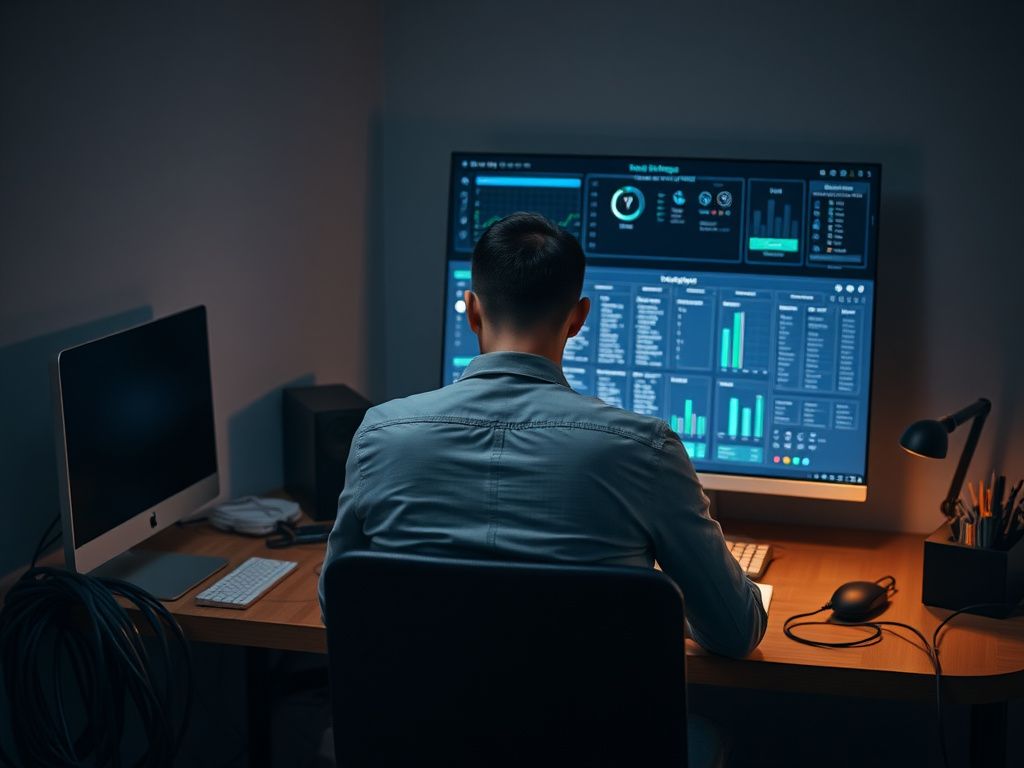
In the tech enthusiast circles of the Reddit sub-forum r/homelab or the Discord servers dedicated to Ubiquiti or MikroTik deployments, there is a recurring theme: the "perfect dashboard." Users post screenshots of their packet loss, uptime, and throughput charts, treating these metrics as artifacts of productivity.
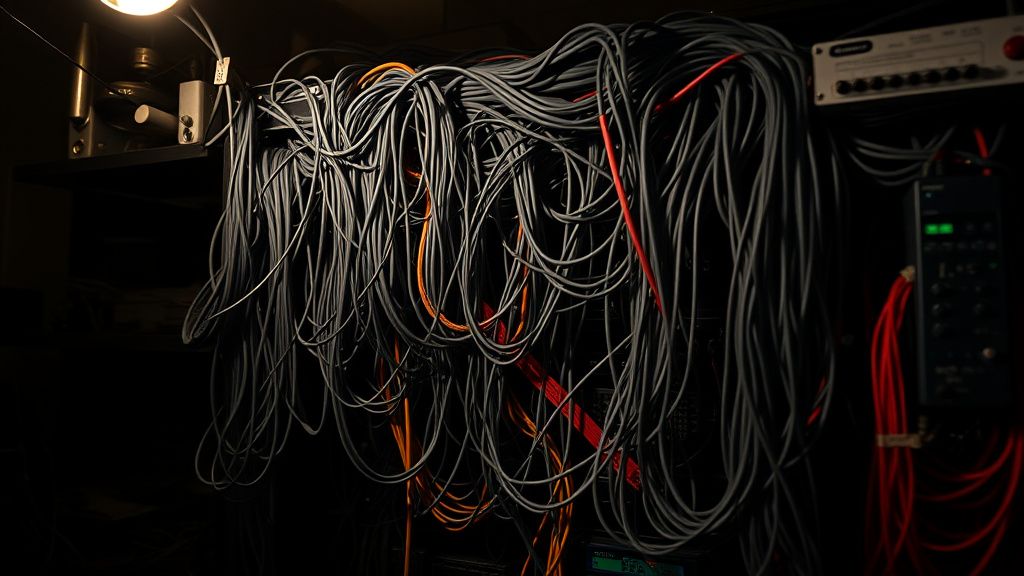
The problem lies in the conversion of a utility—internet access—into a high-maintenance project. When you replace a simple, "plug-and-play" ISP-provided gateway with a custom rack containing a dedicated firewall (pfSense/OPNsense), a managed switch, and ceiling-mounted Wi-Fi 6E/7 access points, you have fundamentally altered your relationship with the technology. You no longer use the internet; you manage the infrastructure that delivers it.
The Cognitive Tax of Complexity
Every configuration decision introduces a potential failure point, mirroring the frustration users face when dealing with smart hardware, such as when a Shark IQ Robot is Blinking Red. If your smart home devices are segmented into an IoT VLAN, and your mDNS reflector is misconfigured, you spend an hour debugging why your phone cannot find your smart speaker. This is a classic "leaky abstraction" scenario.
When things work, you feel a fleeting sense of control. When they break—and they will, usually after a firmware update or a power surge—you are suddenly an unpaid sysadmin for your own home. The time spent troubleshooting an elusive roaming issue between access points is time lost from deep work or leisure, a conflict that aligns with the findings in Is Your Wi-Fi Causing Brain Fog? How Neuro-Architecture Can Restore Your Focus. We have convinced ourselves that a 2ms ping differential justifies the complexity, but for a Slack message or a Netflix stream, the difference is nonexistent.
Real Field Report: The "Over-Engineering" Spiral
I recently tracked a thread on a popular technical forum (which shall remain nameless to protect the identity of the user) where an enthusiast spent six weeks optimizing a 10Gbps local network. The goal was "future-proofing." The result? A massive heat issue in the closet where the switch resided, causing the fan to run at max RPM, which became a psychological nuisance.
The user then spent another $300 on custom soundproofing for the closet—an ironic investment given The Business of Silence: How Soundproof Pods Became a High-Margin Remote Work Asset—followed by a firmware bug in the switch that caused a broadcast storm. The user’s final comment was telling: "I haven't actually used this bandwidth for a single file transfer in months. I just check the dashboard to make sure it's green."
This is the peak of the paradox: the network is "optimized," but the human is stressed.
The Illusion of Control: Ubiquiti, MikroTik, and the Dashboard Trap
Platform providers like Ubiquiti (UniFi) have mastered the art of the "aesthetic dashboard." By turning network management into a video game with clean, blue-hued graphs and smooth animations, they encourage users to obsess over metrics that have zero impact on their quality of life.
The psychological hook is the "performance metric." We equate low jitter and high packet delivery with "better," even when the application layer doesn't notice the difference. You can verify your connection stability with our Latency Test to see that most connections are already sufficiently stable for human perception; yet, the urge to obsessively tweak remains.

The Failure Points of Over-Optimization
When you build a bespoke network, you introduce:
- Maintenance Debt: Firmware updates are no longer automatic. You must test them, verify compatibility, and be prepared to roll back.
- Compatibility Fragility: Your advanced VLAN configuration might break the discovery protocols of legacy devices (printers, older IoT bulbs, etc.).
- Knowledge Silos: If you are the only one in the house who knows how to "fix" the network, you become the house’s IT department. Your family's frustration when the Wi-Fi drops is now your personal failure.
Counter-Criticism: Is there a middle ground?
Detractors of "digital minimalism" in networking argue that without these tools, we are at the mercy of ISPs. They point to the privacy benefits of DNS-over-HTTPS (DoH) via Pi-hole or the security hardening that a dedicated firewall provides.
The criticism is valid: yes, the ISP gateway is often a privacy black box. However, there is a vast difference between "securing your perimeter" and "obsessively tuning your internal traffic routing for non-existent bottlenecks." The danger isn't in the tools themselves; it is in the cognitive weight we attach to them.