
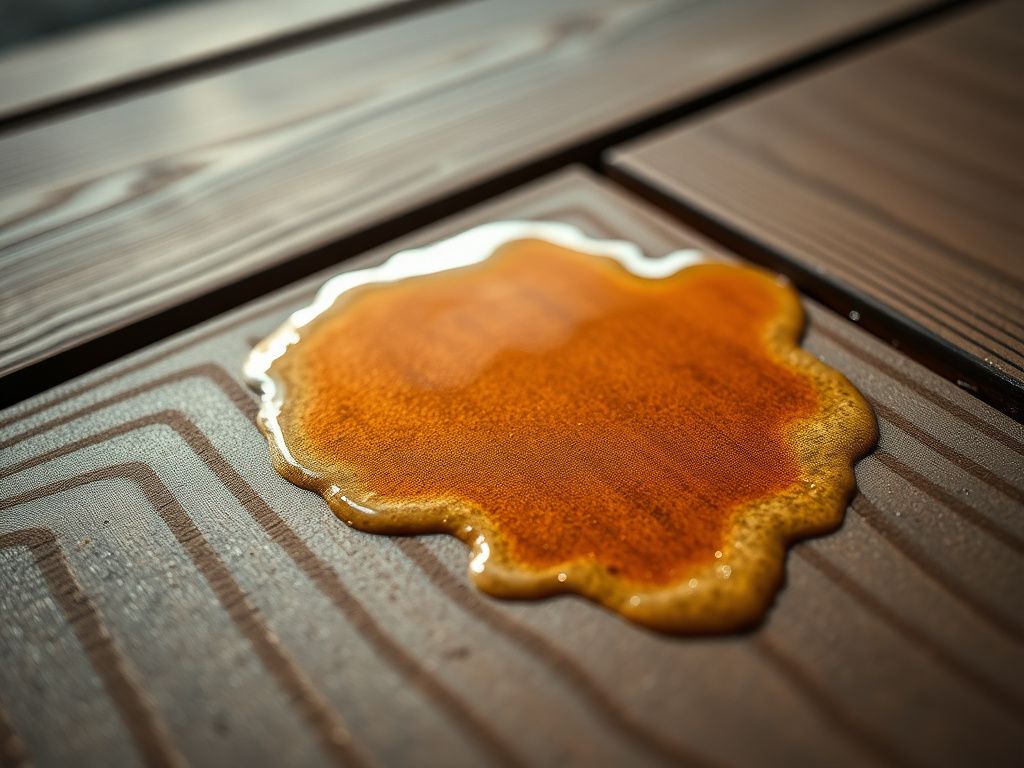
To safely remove sunscreen stains from composite decking, first blot the excess oil with a clean cloth. Immediately apply a solution of warm water and mild, pH-neutral dish soap. Gently scrub the area with a soft-bristle brush, always moving with the grain, then rinse thoroughly with water.
That beautiful, low-maintenance composite deck is the centerpiece of your outdoor living space. It’s where summer memories are made. But along with sunshine and barbecues comes the inevitable necessity of sunscreen—and with it, the stubborn, greasy, white stains that can mar your deck's pristine surface. Panic sets in. You grab the first harsh cleaner you can find, and in an instant, you've traded a temporary stain for permanent damage.
As a veteran in home materials and lifestyle maintenance, I've seen this costly mistake countless times. Removing sunscreen from composite decking isn't about brute force; it's about chemistry and technique. The wrong approach can lead to discoloration, surface etching, and even voiding your deck’s warranty. This guide will provide the definitive, manufacturer-safe methodology for tackling these stains and keeping your investment looking brand new for years to come.
The Science Behind the Stain: It's More Than Just Grease
To defeat the enemy, you must first understand it. Sunscreen stains are particularly troublesome on composite materials because of their chemical composition, which interacts directly with the deck's protective polymer cap. Not all sunscreens are created equal, and their ingredients dictate the type of stain you'll be fighting.
Chemical Sunscreens: These are the most common culprits for deep, oily stains. They contain active ingredients like avobenzone, oxybenzone, and octinoxate. Avobenzone, in particular, is an oil-soluble compound notorious for leaving a greasy, yellowish residue that can penetrate the microscopic pores of a composite deck's surface, especially when baked in by the sun.
Mineral Sunscreens: These formulations use physical blockers—typically zinc oxide and titanium dioxide. The stains they leave are often less greasy and more of a chalky, white surface film. While unsightly, these are generally easier to remove as they sit on top of the decking material rather than soaking into it.
The deck itself plays a role. Modern capped composite decking has a durable outer layer of PVC or other high-performance polymer designed to resist stains and fading. This "cap" is your primary defense. Older, uncapped wood-plastic composites are more porous and susceptible to deeper stain penetration. Your goal is always to clean the cap without scratching, dulling, or chemically compromising it.
The First Line of Defense: Immediate Action and Mild Solutions
Experts in material preservation agree on one universal truth: time is your greatest enemy. A fresh sunscreen spill that's addressed within the hour is a minor inconvenience. A stain left to bake for a week under the July sun becomes a significant cleaning project.
When you spot a fresh drip or smear, resist the urge to wipe it aggressively. Wiping spreads the oils over a larger surface area. Follow this gentle, immediate-action protocol instead.
Step-by-Step Gentle Removal:
- Blot, Don't Rub: Take a clean, dry paper towel or microfiber cloth and gently blot the area. Your goal is to lift as much of the excess lotion and oil as possible without pushing it deeper into the deck's grain or texture.
- Mix Your Solution: In a bucket, create a simple cleaning solution of warm water and a small amount of mild, pH-neutral dish soap (classic blue Dawn is an industry standard for cutting grease without harsh chemicals). Avoid citrus-based or abrasive soaps.
- Gentle Agitation: Dip a soft-bristle brush into the soapy water. Never, under any circumstances, use a wire brush or a stiff-bristled scrub brush, as these will cause permanent scratches. Gently scrub the stained area, always moving the brush in the same direction as the visible grain of the deck boards. This prevents cross-hatch scratching and works the soap into the texture effectively.
- Rinse Thoroughly: This step is just as critical as the cleaning itself. Use a standard garden hose with a spray nozzle to rinse the entire area completely. Why? Soap residue is sticky. If left to dry on the deck, it will become a magnet for dirt, dust, and pollen, creating a new, larger stain.
- Air Dry and Assess: Let the area dry completely before determining if the stain is gone. A wet surface can easily hide lingering oil residue.
For a majority of fresh spills, this simple method is all you will need.
When Soap and Water Isn't Enough: Approved Commercial Cleaners
If the gentle method fails or you're dealing with an older, set-in stain, it's time to escalate to a commercial product. This is where homeowners make the most critical mistakes.