
The global EV supply chain is cracking — and the fracture lines run directly through the world's lithium deposits.
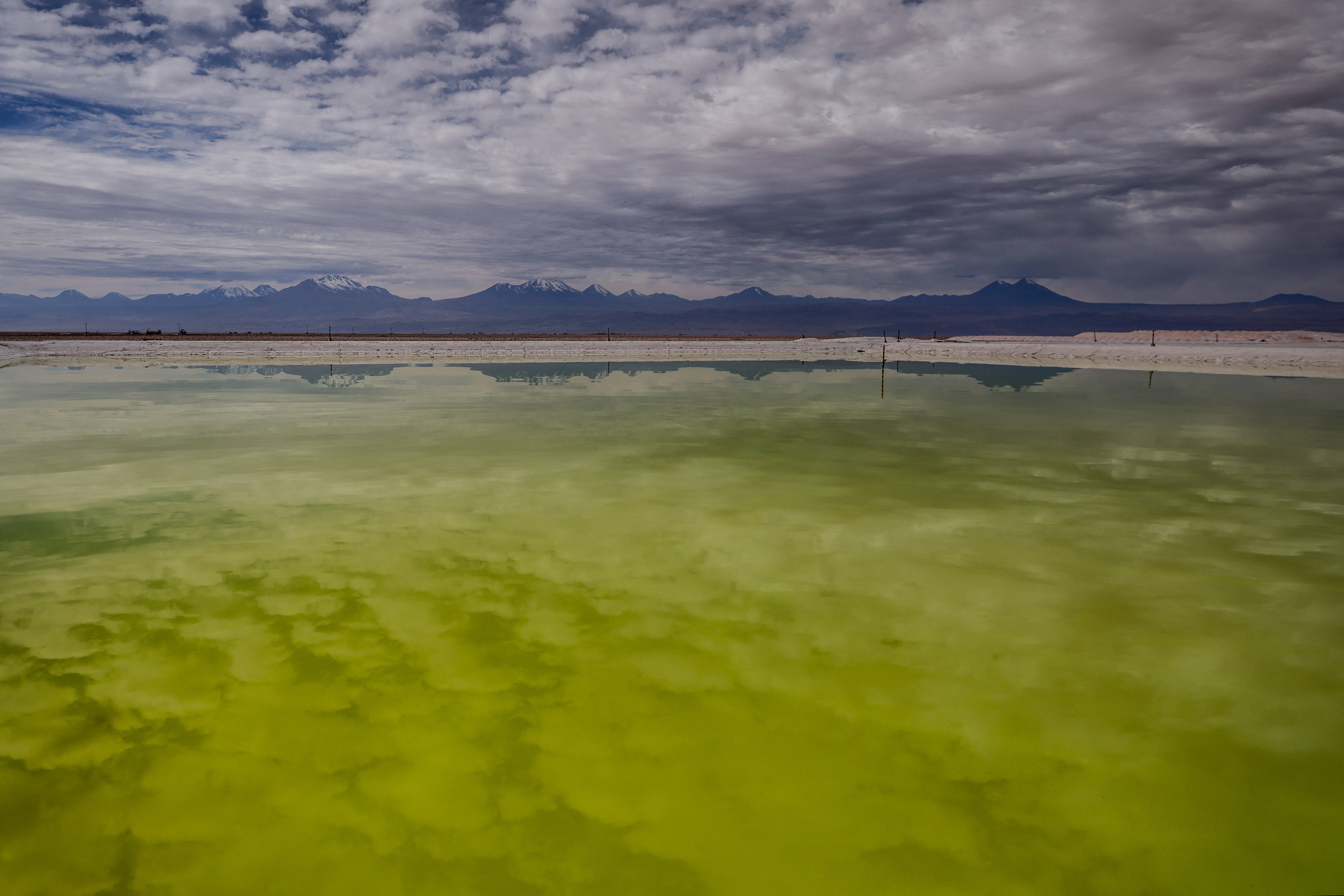
In 2026, a wave of resource nationalism has swept through the lithium-rich nations of South America's "Lithium Triangle" — Chile, Argentina, and Bolivia — alongside aggressive new state interventions in Australia, Zimbabwe, and the Democratic Republic of Congo. What was once a relatively open commodity market has transformed into a geopolitical battleground where governments are weaponizing battery minerals with the same strategic calculation that OPEC once applied to crude. The consequences for the EV revolution are severe, immediate, and deeply underestimated by markets still pricing in yesterday's assumptions.
The Anatomy of a Resource Power Play
Chile fired the opening shot in late 2024 when its government finalized legislation requiring majority state ownership in all new lithium extraction contracts. By mid-2026, the Corporación Nacional del Cobre de Chile — already the world's dominant copper producer — had expanded its lithium mandate, imposing export controls that prioritize domestic battery manufacturing over raw material exports. Spot prices for battery-grade lithium carbonate, which had briefly collapsed to near $10,000 per metric ton in 2023, rebounded to above $38,000 per metric ton by Q1 2026.
Argentina moved with comparable velocity. The incoming Peronist-aligned provincial governments in Jujuy and Salta renegotiated royalty structures, pushing effective rates past 18% — a level that Goldman Sachs analysts described in their March 2026 Commodities Outlook as "a structural deterrent to greenfield investment for any project with a horizon shorter than 15 years."
Bolivia, which sits atop the world's largest identified lithium reserves in the Suyuni salt flats, remains the wildcard. State enterprise Yacimientos de Litio Bolivianos has yet to achieve commercial-scale extraction, but La Paz is now conditioning any foreign partnership on technology transfer agreements that most Western firms find commercially unacceptable.
Why 2026 Is the Inflection Point
The timing is not accidental. Global EV penetration crossed 28% of new vehicle sales in 2025 — a threshold that transformed lithium from a specialty chemical into a true strategic commodity. At that scale, automotive OEMs can no longer absorb supply disruptions through inventory buffers or model-year adjustments. Tesla, Volkswagen Group, and Hyundai-Kia each disclosed in their Q4 2025 earnings calls that battery raw material costs had re-emerged as a primary margin pressure, reversing two years of relief.
"The industry spent 2023 and 2024 celebrating the lithium price crash as a gift," notes Clara Hoffmann, a senior commodities strategist at Wood Mackenzie in London. "What they failed to price in was that cheap lithium was destroying investment incentives. We're now living in the supply gap that was always coming."
The numbers confirm her read. According to BloombergNEF's June 2026 battery supply chain tracker, committed lithium production capacity set to come online between 2026 and 2029 covers only 67% of projected demand — a shortfall measured in hundreds of thousands of metric tons of lithium carbonate equivalent.
Automakers Caught in the Crossfire
Detroit, Stuttgart, and Seoul are responding with scrambled urgency. General Motors accelerated its equity stake in Lithium Americas' Thacker Pass operation in Nevada — currently the most politically stable large-scale lithium project in the Western Hemisphere — but the mine remains in ramp-up phase and won't hit full production until late 2027 at the earliest.
Stellantis went further, signing a direct offtake agreement with an Australian hard-rock spodumene producer, effectively paying a 22% premium over spot to lock in supply certainty. The move signals a market reality that procurement executives now openly discuss: price certainty has replaced price minimization as the dominant purchasing logic.
European OEMs face the sharpest exposure. The EU's Critical Raw Materials Act, finalized in 2025, mandates that 10% of the bloc's annual lithium consumption be sourced domestically by 2030. The continent's domestic production — centered on the Zinnwald project in Germany and nascent operations in Portugal's Barroso region — currently covers less than 3% of demand. The regulatory ambition and industrial reality remain violently disconnected.
The China Factor
No analysis of lithium nationalism is complete without confronting China's structural advantage. CATL, BYD, and Ganfeng Lithium secured long-term offtake agreements across Chile, Argentina, and Zimbabwe in 2021-2023, when those governments were more permissive and prices were lower. Those contracts, built on 10-15 year horizons, are now functioning as an enormous competitive moat.