
Forty-seven nations sat in a Geneva conference room last March and collectively realized the legal framework governing the Moon was written before a single private rocket had ever reached orbit.
The 1979 Moon Agreement — a document so toothless that only 18 countries ever ratified it, and none of them capable of reaching the lunar surface — is now undergoing its most aggressive renegotiation in history. The United Nations Committee on the Peaceful Uses of Outer Space (COPUOS) has convened emergency working sessions through 2026, driven by a single, uncomfortable fact: within three years, multiple national and commercial entities will begin extracting water ice, helium-3, and rare earth minerals from the Moon. There is no binding law to govern any of it.
A Race That Left the Lawyers Behind
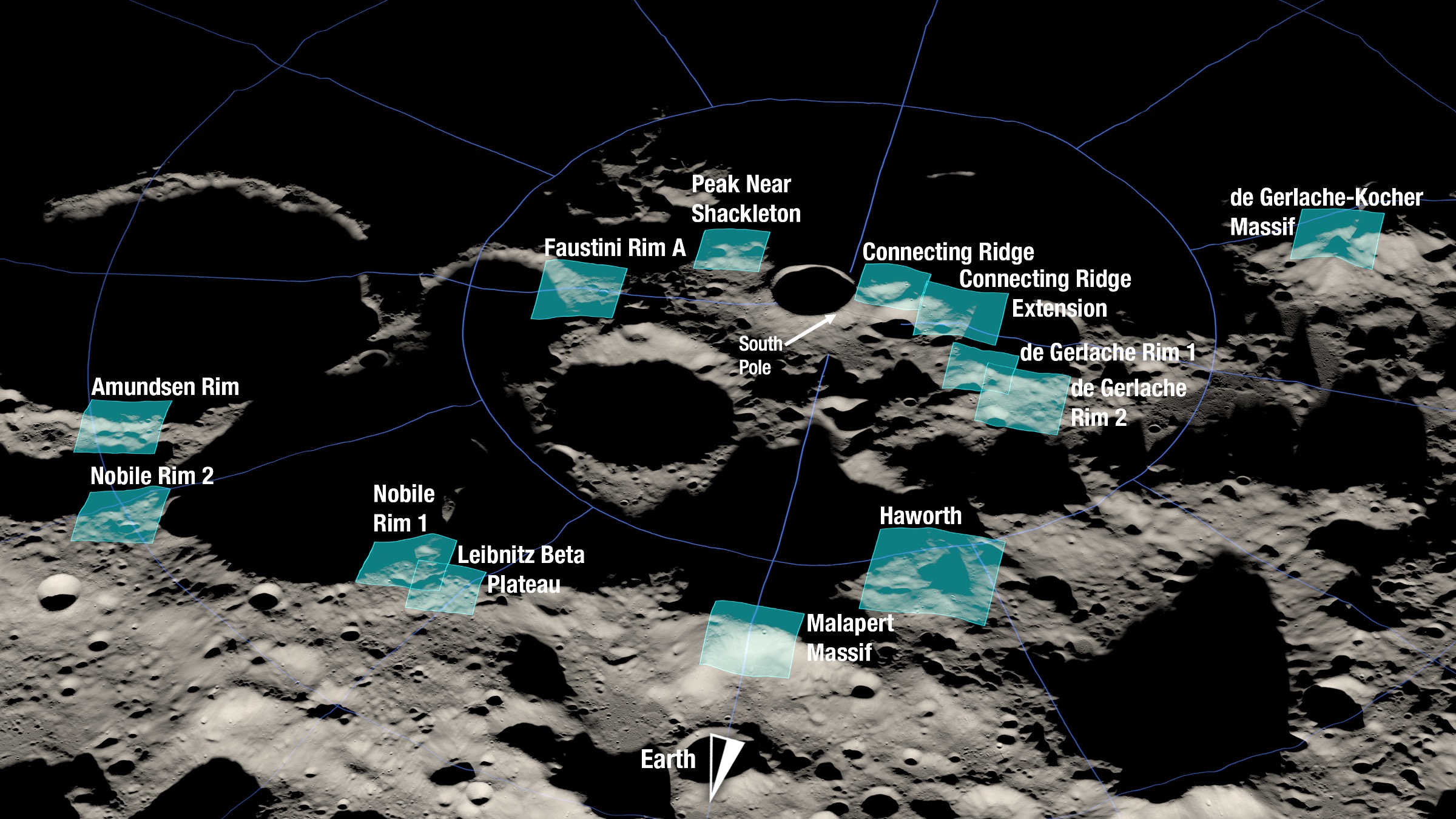
The speed of the lunar economy has outpaced every diplomatic timeline. NASA's Artemis program has placed hardware on the lunar south pole. China's Chang'e-7 mission completed its first subsurface soil analysis in late 2025. SpaceX, ispace, and Astrobotic have active contracts worth a combined $4.2 billion for lunar logistics and surface operations. Blue Origin's Blue Moon lander is certified for crewed descent.
Meanwhile, the legal architecture governing who owns what on the Moon remains trapped in Cold War ambiguity. The 1967 Outer Space Treaty prohibits national appropriation of celestial bodies "by claim of sovereignty" — but says nothing definitive about a private company extracting a resource and selling it. The 2015 U.S. Commercial Space Launch Competitiveness Act unilaterally declared American citizens could own resources they extract in space. Luxembourg, Japan, and the UAE passed similar domestic laws. Russia and China called these moves unilateral and destabilizing.
That bilateral tension is now the central fault line of the Geneva negotiations.
"What you have is a classic first-mover problem," says Dr. Harriet Volkov, a space law professor at the University of Vienna who has consulted for COPUOS. "The nations that reach the lunar south pole first will establish facts on the ground. Extraction zones, exclusion perimeters, infrastructure footprints. And once those physical realities exist, no treaty will easily dislodge them."
The Revised Moon Treaty: What's Actually on the Table
Negotiators are not starting from scratch. They are working from a draft framework — informally called the Geneva Lunar Protocol — that attempts to thread an almost impossible needle: satisfy resource-hungry space powers, protect smaller nations with no spaceflight capacity, and create enforceable rules before the first commercial mining operation breaks ground.
The protocol's core proposals, reviewed by this publication, include:
- A Lunar Resource Registry: Any entity — state or private — initiating extraction activities would register coordinates, resource types, and projected extraction volumes with a newly formed UN Lunar Authority.
- Benefit-sharing minimums: A percentage of commercial resource profits, currently proposed at 2–5%, would flow into a global fund accessible to developing nations for space science and satellite infrastructure.
- Non-interference zones: Operational mining sites would receive a 10-kilometer exclusion buffer to prevent physical interference — a clause that critics argue simply legalizes territorial claims under a different name.
- Dispute arbitration panels: A permanent arbitration body modeled on the International Tribunal for the Law of the Sea (ITLOS) would adjudicate competing claims.
The United States has signaled cautious support for the registry and arbitration mechanisms but flatly opposes the benefit-sharing provision, characterizing it as a tax on private innovation. China supports benefit-sharing but objects to the non-interference zones, which Beijing's negotiators argue would functionally freeze current territorial advantages held by early-arriving American systems.
The Helium-3 Problem
Underneath the procedural disagreements lies a more explosive economic reality. Lunar regolith contains helium-3, a fusion fuel so energy-dense that an estimated 25 tons could theoretically power the United States for a year. Current nuclear fusion programs — including the Commonwealth Fusion Systems reactor expected to achieve sustained net energy gain in 2027 — are building designs that could run on helium-3.
The economics are staggering. At current experimental valuations, helium-3 trades at roughly $3,000 per gram. A successful lunar mining operation extracting even modest quantities could generate returns that dwarf any terrestrial mining operation in history.
"This is not an abstract diplomatic exercise," said former NASA Administrator and current space policy advisor Marcus Trent at a Brookings Institution panel in February 2026. "We are potentially talking about the most valuable resource extraction event in human history. The country or company that controls helium-3 supply controls the energy leverage of the fusion age."
That reality has injected an urgency into Geneva that feels less like treaty revision and more like arms control negotiation.