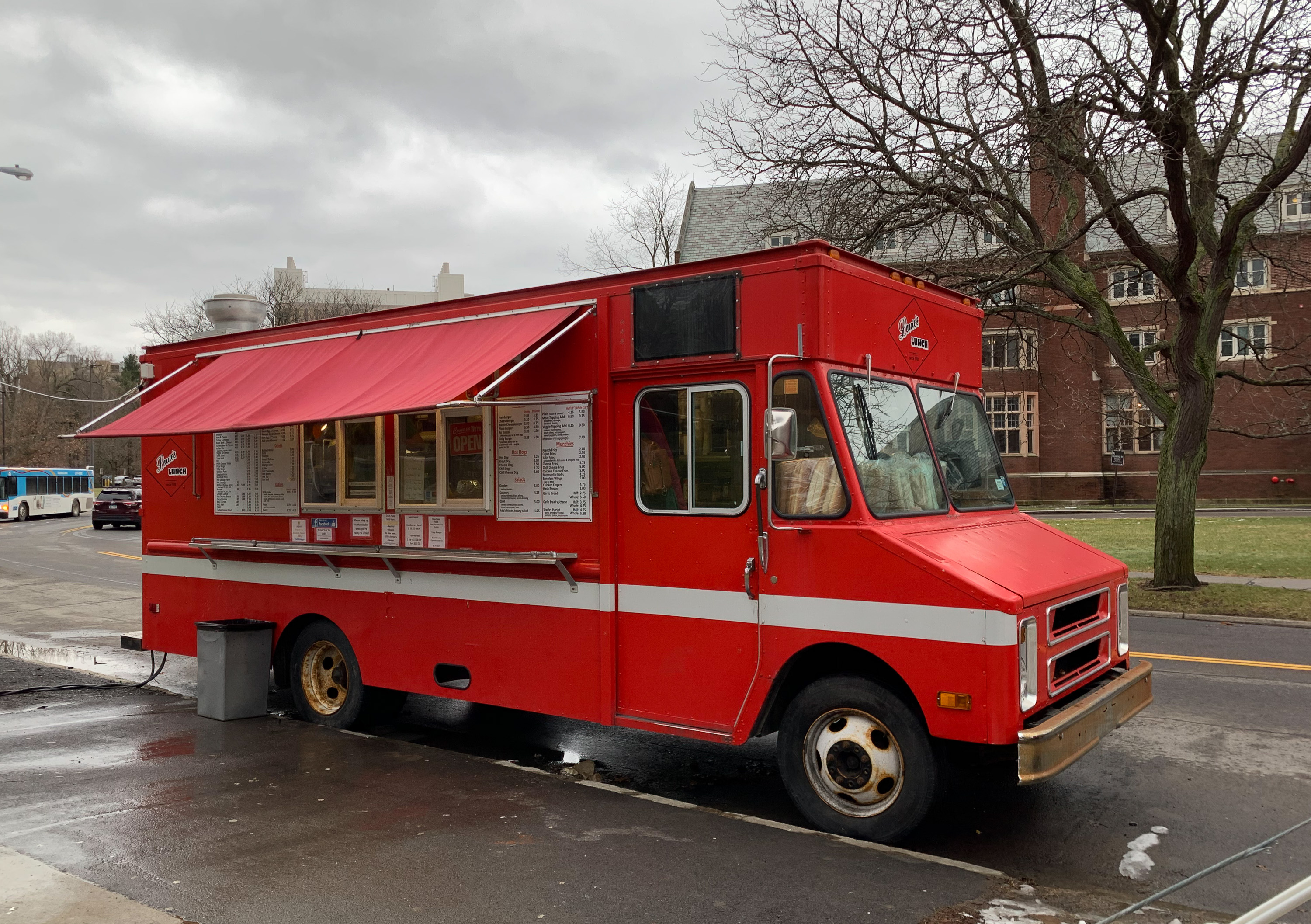
To embark on the journey of launching a profitable food truck in 2026 requires meticulous planning, a robust understanding of local regulations, and an unwavering commitment to operational excellence. Success hinges on a well-defined culinary concept, strategic market positioning, diligent financial management, and leveraging digital engagement to build a loyal customer base amidst a dynamic mobile dining landscape.
The dream of dishing out culinary delights from a mobile kitchen, serving hungry patrons at bustling events or quiet street corners, holds a powerful allure. In the vibrant ecosystem of modern entrepreneurship, the food truck business continues to captivate those with an entrepreneurial spirit and a passion for gastronomy. However, beneath the romantic facade of mobile culinary ventures lies a complex operational reality, demanding shrewd business acumen and an intricate understanding of a highly competitive market. For those eyeing 2026 as their launch year, the landscape is both ripe with opportunity and fraught with potential pitfalls that seasoned operators have learned to navigate with careful precision.
Laying the Foundation: Market Research and Concept Validation
Before even considering stainless steel and wheels, the journey begins with rigorous market research. This isn't just about spotting an empty niche; it's about understanding the nuances of local demand and the competitive landscape. What kind of cuisine is underserved in your target areas—be it downtown lunch rushes, evening events, or specific suburban enclaves? Is there an oversupply of taco trucks but a glaring absence of gourmet grilled cheese or artisanal poke bowls?
Dive deep into demographic analysis. Who are your potential customers? What are their spending habits, dietary preferences, and daily routines? This granular insight allows you to craft a unique selling proposition (USP) that resonates. Your concept must be distinctive, memorable, and deliverable within the constraints of a commercial kitchen on wheels. Experts emphasize that a clear, concise concept is your north star, guiding every decision from menu development to truck design. Without this foundational clarity, even the most ambitious culinary vision risks getting lost in the noise.
The Indispensable Business Plan and Robust Financial Modeling
Any veteran entrepreneur will tell you that a comprehensive business plan is not merely a formality for potential investors; it's your operational blueprint. For a food truck, this document must detail every aspect: your chosen concept, target market, marketing strategy, operational flow, and critically, a robust financial model.
Startup costs for a food truck can be substantial and often underestimated. You're looking at significant capital investment:
- The Truck Itself: A new, fully outfitted truck can range from $100,000 to over $200,000. A used truck might be $40,000-$80,000 but could require substantial refurbishing and equipment sourcing.
- Commercial Kitchen Equipment: Grills, fryers, refrigerators, freezers, sinks, prep stations, fire suppression systems—these are non-negotiable and costly.
- Permits, Licenses, and Insurance: This can be a labyrinth of fees, varying wildly by municipality and state. Budget several thousands initially, plus ongoing renewal costs.
- Initial Inventory: Food supplies, packaging, cleaning products.
- Marketing Launch: Branding, truck wrap design, initial social media campaigns.
- Contingency Fund: Crucial for unexpected repairs, slow periods, or regulatory hurdles. A rule of thumb is 15-20% of your total estimated startup costs.
Beyond initial investment, meticulously project your operating budget. This includes food costs, labor, fuel, truck maintenance, insurance premiums, commissary kitchen fees (often required), and ongoing marketing. Seasoned entrepreneurs advocate for detailed cash flow projections, considering seasonality and unexpected downtimes. Funding strategies might include personal savings, small business loans, crowdfunding, or even equipment leasing. Understanding your break-even point and average transaction value will be pivotal to assessing profitability.
Navigating the Regulatory Minefield: Permits, Licenses, and Compliance
This is arguably where many aspiring food truck owners face their most significant initial hurdles and commit costly mistakes. Regulatory compliance is not a one-size-fits-all solution; it’s a localized maze. Every city, county, and state has its own specific requirements, and these often evolve.
Key areas to research thoroughly include:
- Health Department Regulations: These dictate everything from food storage temperatures and preparation protocols to water supply, waste disposal, and employee hygiene. You'll need health permits and likely regular health inspections.
- Zoning and Vending Permits: Where can you legally park and operate? Some cities have designated vending zones, others prohibit street vending in certain areas. Event permits are typically separate.
- Fire Safety Regulations: Your truck's kitchen setup must meet strict fire codes, requiring specific fire suppression systems.
- Business Licenses: Standard business registration and taxation requirements apply.
- Vehicle Registration and Special Licenses: Beyond regular vehicle registration, some states require specific commercial driver's licenses depending on the truck's weight.
- Liability Insurance: Absolutely non-negotiable. You need comprehensive general liability, commercial auto insurance, and possibly workers' compensation if you hire staff.
Ignorance of these rules is not a defense, and fines or forced shutdowns can cripple a nascent operation. Begin this research early, connect with your local Small Business Administration (SBA), and consult with other food truck operators in your area.
Sourcing Your Mobile Culinary Command Center
The food truck itself is your most vital asset and your most visible branding tool. Deciding between a new custom build or a used vehicle requires careful consideration. A new truck offers reliability, modern amenities, and the exact specifications you desire, but at a premium. A used truck is more economical but carries the risk of unforeseen mechanical issues and may require extensive remodeling to meet health codes and your specific kitchen layout.
Regardless of your choice, the kitchen build-out is paramount. It must be efficient, ergonomic, and compliant. Think about the workflow: prep, cook, serve. Every piece of equipment—from the griddle and deep fryer to the refrigeration units and three-compartment sink—needs to fit precisely and be properly installed. Ventilation systems are critical, as are separate handwashing sinks. This isn't just about aesthetics; it's about operational efficiency, safety, and regulatory adherence.