
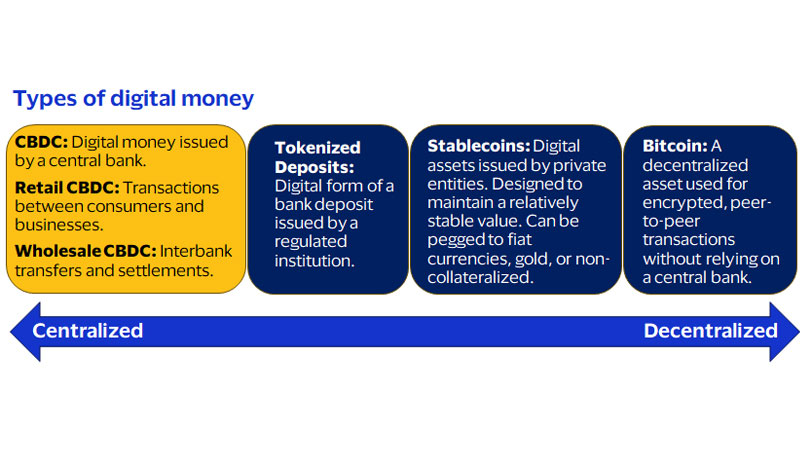
The clearinghouses of Singapore and Dubai are quieter than the headlines suggest, but the wires are humming with a different kind of intensity. As of mid-2026, the global financial system isn't collapsing in a cinematic fireball; it is grinding through a messy, fragmented, and often frustrating transition. The era of the "unquestioned greenback" is being superseded not by a single rival, but by a patchwork of commodity-backed digital currencies—a trend fueled as much by geopolitical hedging as by the failure of existing cross-border settlement infrastructure.
If you scroll through the deeper sub-threads on Hacker News or track the heated debates in the BIS (Bank for International Settlements) Innovation Hub mailing lists, you won’t find talk of revolutionary idealism. You find systems architects complaining about latency, liquidity fragmentation, and the sheer operational hell of reconciling synthetic gold-pegged tokens across sovereign ledgers.
The Friction of "Trustless" Settlement
The move toward commodity-backed digital assets—often termed "Digital Reserve Units" (DRUs) by central bank consortiums—is less about technology and more about the weaponization of the dollar. Since the sanctions regime of 2024, the perceived "risk" of holding US Treasuries has moved from a theoretical economic debate to a primary concern for central bank treasury managers.
But here is the reality that the PR departments of these new regional blocks don’t mention: the transition is a logistical nightmare.
"Everyone talks about the elegance of a gold-backed stablecoin until you have to deal with the auditability of the physical vault in a jurisdiction that refuses external inspection," says a lead developer on an open-source settlement protocol, commenting on a recent GitHub issue thread regarding multi-sig governance failures in a BRICS-plus pilot.
The promise was simple: bypass the SWIFT network and its reliance on US-correspondent banking. The reality? A fragmented ecosystem where "Bridge Currency A" doesn't talk to "Bridge Currency B" without an expensive, manual reconciliation process that feels more like 1980s telex machines than the promised "DeFi for nations."
The "Workaround" Economy
Corporate treasurers in Southeast Asia and parts of the Gulf are currently living in a state of high-beta experimentation. Because the new digital frameworks are not yet fully liquid, businesses are forced to maintain two, sometimes three, parallel accounting systems.
On Reddit forums dedicated to corporate treasury operations, the tone is cynical. "We tried the direct B2B settlement via the new [REDACTED] commodity-pegged layer," writes one user in a thread titled 'Another failed settlement week'. "The transaction fee was lower, sure. But we spent four days arguing with our bank’s compliance desk about why we were holding an asset that doesn't have a standard ISIN code. We’re back to using USD, but we’re routing it through three offshore shells just to avoid the monitoring flags. It’s expensive, it’s stupid, but it works."
This is the hidden cost of de-dollarization: the emergence of a "Shadow Settlement Layer." It isn't a clean migration to a shiny new gold-backed utopia; it’s a chaotic web of workarounds.
Algorithmic Instability and Liquidity Crises
The core systemic danger in 2026 isn't just the policy shift; it's the lack of deep liquidity. When nations pivot to a digital asset backed by a basket of commodities (oil, gold, and rare earth minerals), they inadvertently create a "pro-cyclical" trap.
During the Q1 2026 market correction, we saw the first real-world stress test of these systems. As commodity prices dipped, the collateral value behind these digital units fluctuated. The automated "rebalancing" algorithms—designed to keep the peg—did exactly what they were coded to do: they triggered massive sell-offs to preserve the backing ratio. This created a flash-crash effect in local secondary markets that lacked the market-maker depth of the NYSE or London exchanges.