
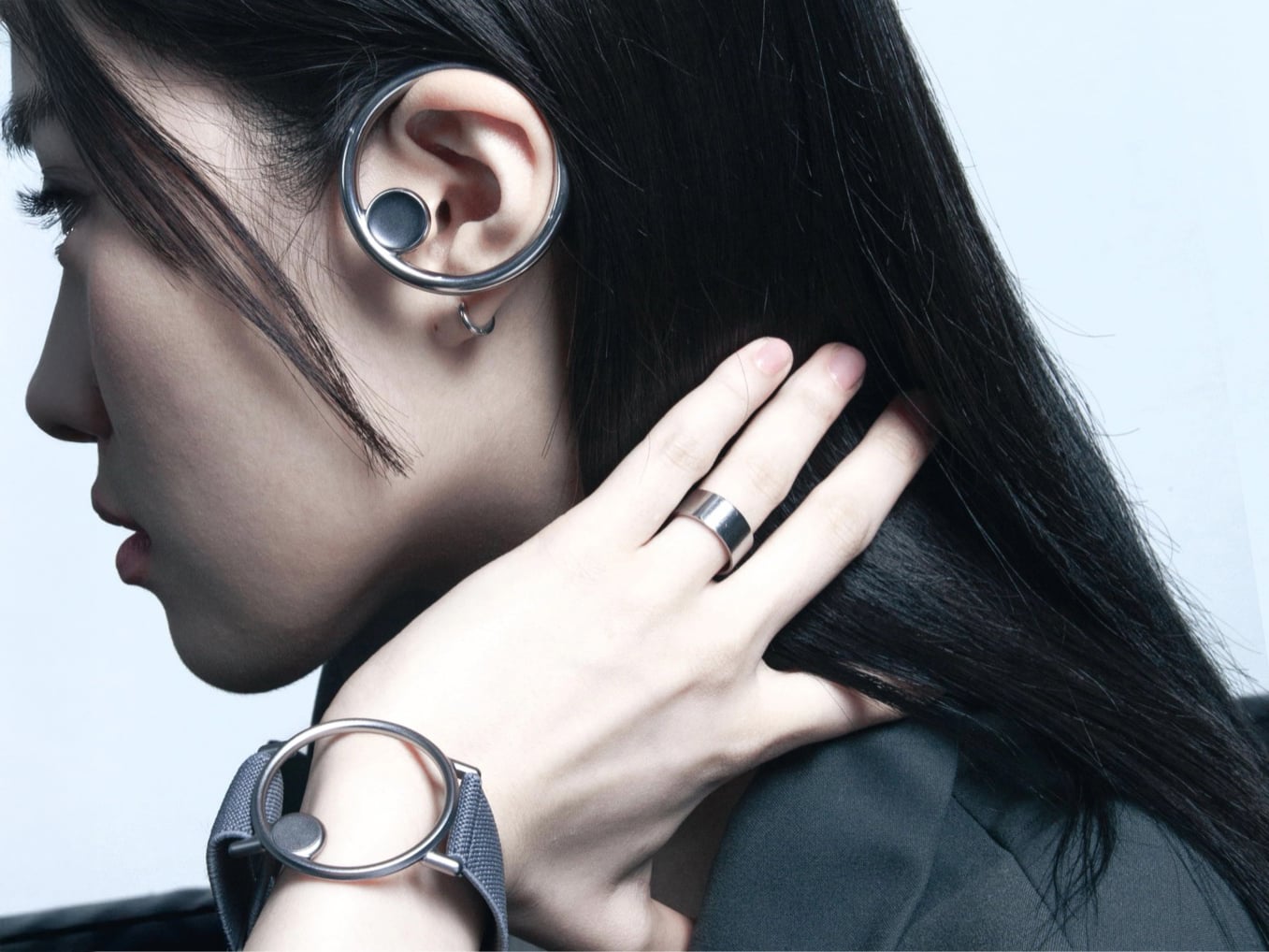
At Samsung's dazzling Unpacked 2026 event in Seoul, amidst the familiar excitement for groundbreaking foldable phones and innovative transparent displays, the company unveiled a new capability that felt less like an incremental upgrade and more like a profound shift in personal health technology. Tucked within the announcements for the new Galaxy Watch 8 series was a sophisticated predictive AI engine, given the codename "SyncopeGuard," designed to achieve something previously imagined only in science fiction: it warns users of an impending fainting spell several minutes before it actually occurs.
This innovation moves far beyond mere fall detection, a reactive feature that wearables have offered for years. Instead, SyncopeGuard is entirely proactive, predictive, and deeply personal. Syncope, the medical term for fainting, impacts millions globally and can signal conditions ranging from simple dehydration to serious cardiac arrhythmias. For countless individuals, it's a frightening and unpredictable occurrence. Samsung’s ambition is to bring predictability to this often-debilitating event.
The Sensor Fusion Symphony
So, how exactly does this groundbreaking technology function? The brilliance lies not in a single, revolutionary new sensor, but rather in the sophisticated integration of multiple biometric data streams, which are analyzed in real-time by a powerful, new on-device AI model. Reports from insiders indicate that SyncopeGuard harnesses the full suite of the Galaxy Watch’s advanced sensors, meticulously constructing a multi-dimensional snapshot of the user's current physiological state.
Central to its operation is the Photoplethysmography (PPG) sensor—the familiar green light nestled on the watch's underside. While this sensor has long been fundamental for tracking heart rate, Samsung’s updated algorithms now delve into subtle, second-by-second variations in Heart Rate Variability (HRV). A sudden, significant drop in HRV is a recognized precursor to vasovagal syncope, which is the most common form of fainting. Additionally, the system scrutinizes the blood volume pulse waveform itself, searching for distinctive indicators of a rapid decrease in blood pressure.
This crucial data is then intelligently combined with information from the single-lead Electrocardiogram (ECG) sensor. The AI constantly and passively scans for specific arrhythmias, such as premature ventricular contractions (PVCs) or short bursts of supraventricular tachycardia, both of which can impede adequate blood flow to the brain and potentially trigger a faint.
Yet, the system delves even further. The Bioelectrical Impedance Analysis (BIA) sensor, originally designed for body composition measurement, has been cleverly repurposed to offer continuous estimations of hydration status. Since dehydration is a significant trigger for syncope, the AI expertly correlates lower hydration levels with other developing risk factors. Finally, the skin temperature sensor and accelerometer operate in precise synchronicity. A sudden onset of cold sweat (indicated by a drop in skin temperature) coupled with the accelerometer detecting a rapid change in posture—like standing up too quickly, which can lead to an orthostatic hypotension event—introduces another vital layer of data for analysis.
This continuous torrent of real-time data flows directly into the new Riptide AI processor, a custom-designed 3nm chip specifically engineered for low-power, on-device machine learning. The SyncopeGuard model itself, which is a specialized type of recurrent neural network (RNN), was reportedly trained using over a million hours of physiological data meticulously gathered from multi-year clinical trials. It is this highly refined model that possesses the unique ability to recognize the complex, non-linear patterns that consistently precede a syncopal event.
From Data to Warning
When the AI's confidence score reaches a critical threshold, the user isn't jolted by an abrupt, jarring alarm. Instead, the watch delivers a distinctive, escalating series of gentle haptic vibrations, accompanied by a clear, calm message appearing on the vibrant AMOLED screen: "Warning: Dizziness risk detected. Please sit or lie down immediately. Consider hydrating."
This intelligent system is engineered to provide a crucial two-to-five-minute warning window, offering the user invaluable time to move to a safe position, thereby preventing a potential fall and subsequent injury. Following an alert, the watch automatically prompts the user to log any symptoms and recent activities, generating an invaluable dataset for their physician. This comprehensive data can be easily exported as a detailed PDF report, which includes ECG strips, HRV trends, and specific sensor readings from the critical moments leading up to the pre-syncopal event.
According to the extensive documentation filed for its FDA De Novo classification, Samsung’s clinical trials demonstrated truly remarkable efficacy. The system accurately predicted 87% of both vasovagal and orthostatic syncopal events within the study cohort, maintaining an impressively low false positive rate of less than 3%. For individuals managing known conditions like Postural Orthostatic Tachycardia Syndrome (POTS), this could undeniably prove to be a life-changing diagnostic and preventative tool.
The New Frontier in Wearable Health
This bold strategic move propels Samsung directly into the highly regulated medical device space, fundamentally reshaping the competitive landscape. For many years, the intense rivalry between tech giants like Apple, Google (through its Fitbit acquisitions), and Samsung has largely focused on optimizing fitness metrics, enhancing screen brightness, and extending battery life. SyncopeGuard, however, unequivocally shifts this conversation toward genuine, potentially life-saving medical intervention.