
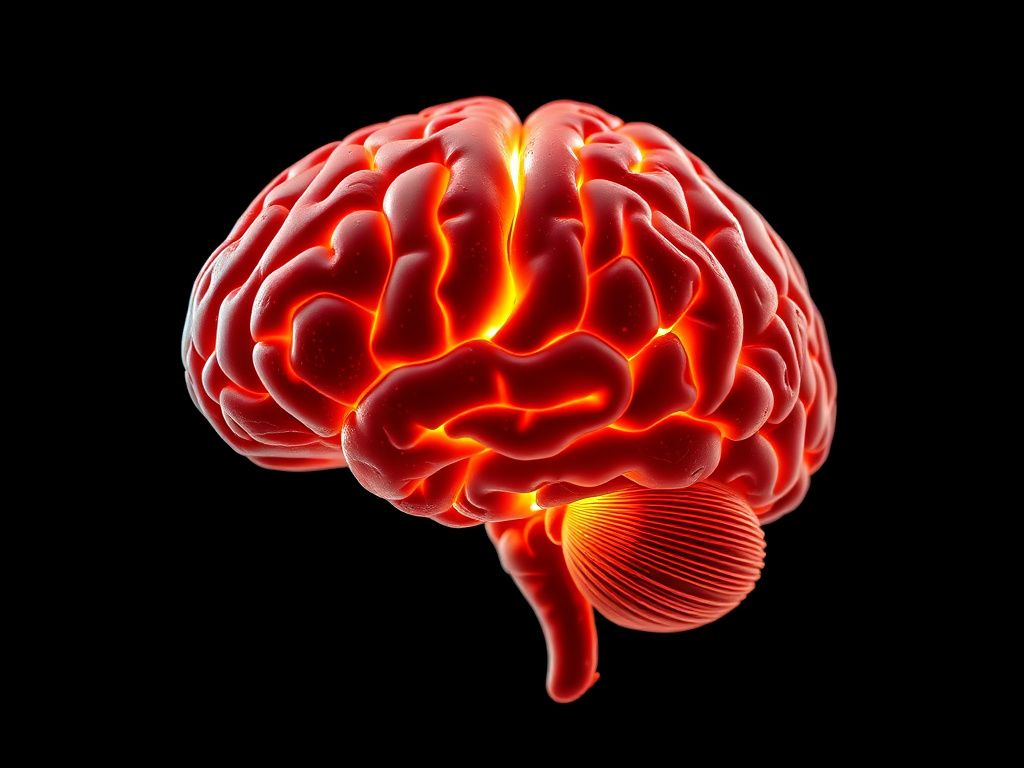
Neuro-gastronomy posits that by re-mapping the sensory triggers—smell, color, texture, and cognitive context—we can manipulate the cephalic phase of digestion to improve insulin sensitivity and satiety. While it offers a powerful framework for behavior modification, scientific consensus currently treats it as a supplemental tool for metabolic health rather than a standalone clinical cure for metabolic syndrome.
The Anatomy of a Flawed Feedback Loop
Metabolic syndrome—the cluster of insulin resistance, visceral obesity, and hypertension—is fundamentally a breakdown of communication. The body’s endocrine system is sending signals that the brain is chronically ignoring or misinterpreting. Neuro-gastronomy attempts to re-establish this link by hacking the "reward pathway."
The problem with most dietary interventions for metabolic syndrome is the "willpower gap." We treat food as a fuel tank, but the brain treats it as a sensory experience. When you replace a high-palatability, ultra-processed burger with a plain steamed broccoli plate, the caloric load drops, but the dopaminergic reward system registers a "starvation event." This is where the patient usually fails. The adherence rate on highly restrictive metabolic diets is notoriously low—not because the patient lacks discipline, but because the sensory signaling is misaligned with the metabolic goal.
Sensory Mapping: Beyond the Plate
Neuro-gastronomy isn’t just about flavor; it’s about the environment that precedes the first bite. The cephalic phase of digestion—the process that starts before food even hits the tongue—is where metabolic regulation begins.
If you are eating while staring at a smartphone or in a high-stress environment, your cortisol levels interfere with the Vagus nerve’s ability to coordinate with the gut. Research into the "Sensory Specific Satiety" (SSS) phenomenon shows that when we diversify the sensory input of a meal, we can actually suppress the appetite-stimulating hormones earlier.
- Olfactory Priming: The brain’s olfactory bulb has a direct line to the hypothalamus, the metabolic control center. Some clinical pilot studies suggest that strong, specific aroma profiles can reduce the perceived need for high-sugar intake by "saturating" the reward circuit.
- Tactile Feedback: The crunch, the temperature, and the resistance of food matter. When we consume liquid calories (smoothies, protein shakes), we bypass the mechanical digestion signals, which creates a massive disconnect between insulin response and satiety.
The Operational Reality: Why It Fails in Practice
If neuro-gastronomy is so effective, why are we still seeing record-high metabolic syndrome rates? Because applying this in a real-world, fast-paced economy is a logistical nightmare.
- The "Hyper-Palatability" Trap: Food engineers have spent decades creating "bliss point" foods that exploit the very neuro-biological pathways we are trying to reclaim. It is mathematically and sensory-wise very difficult to "re-train" the palate when the environment is saturated with cheap, high-dopamine triggers.
- The Scaling Problem: Professional culinary therapy is expensive. Most clinical advice assumes the patient has the time, resources, and mental bandwidth to "mindfully consume" a meal. For a shift worker or someone living in a food desert, the neuro-gastronomic approach feels like an elitist luxury.
- The Feedback Loop Delay: Unlike counting calories, which provides an immediate, quantifiable metric, sensory re-training is invisible. It takes weeks to notice a change in your hormonal response to hunger. Users often quit on day four because the scale hasn't moved, unaware that their internal hormonal landscape is slowly shifting.
Bridging the Gap: What Actually Works
If you’re attempting to leverage sensory-based nutrition to manage metabolic markers, treat it as a design challenge rather than a diet.