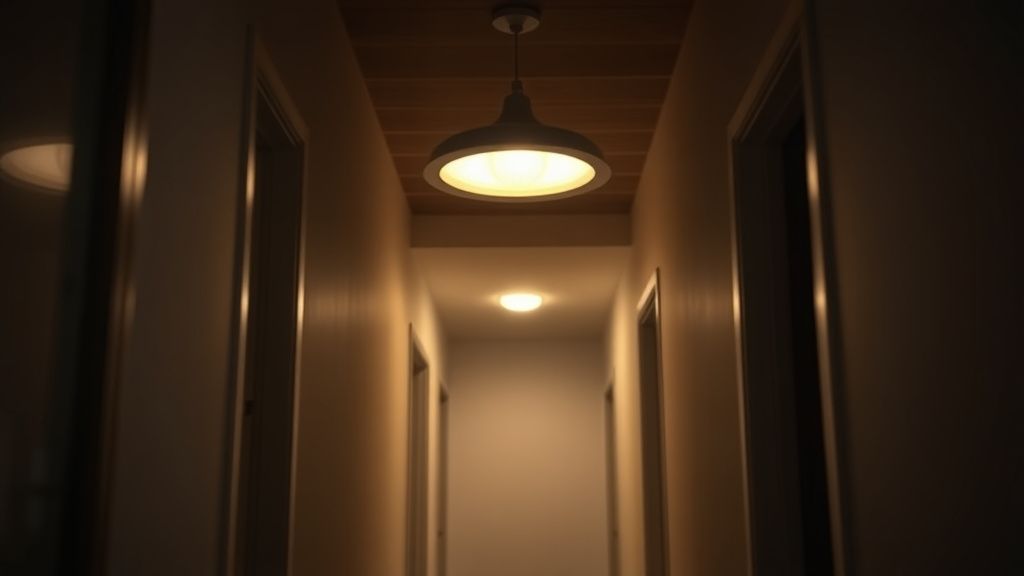
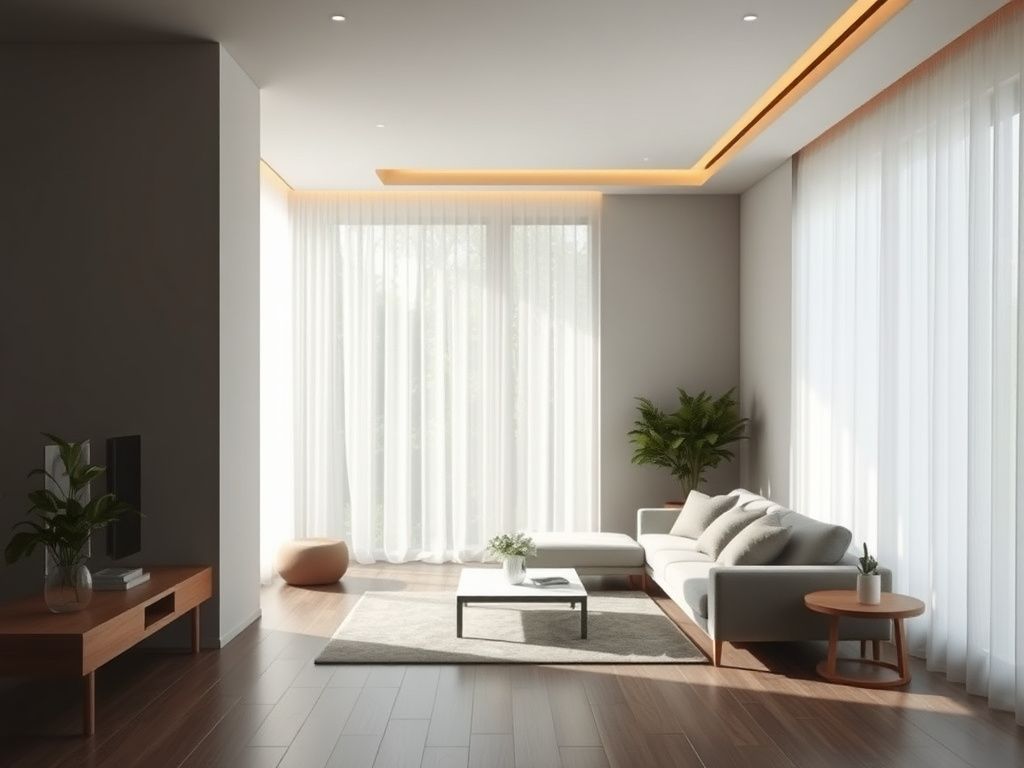
Neuro-architecture is the intersection of neuroscience and the built environment, focusing on how spatial design—lighting, geometry, material, and acoustics—modulates the human autonomic nervous system. By prioritizing cortisol reduction, this design philosophy seeks to move beyond mere aesthetic comfort toward a measurable, biological regulation of stress responses through environmental affordances.
The Biological Mandate: Why Our Spaces Are Failing Us
Modern architecture is often a byproduct of zoning laws, cost-efficiency, and aesthetic trends, rarely considering the evolutionarily hardwired brain, much like how businesses often struggle to scale without the right model, such as those discussed in How to Build a High-Margin Subscription Community for Automated Passive Income. We evolved in high-variance, non-linear environments—savannas, forests, and caves. Today, we live in boxes characterized by 90-degree angles, synthetic materials, and fluorescent flickers. This discrepancy creates "environmental stress," a chronic, low-grade irritation of the nervous system that keeps cortisol levels elevated—a biological tax not unlike the financial hurdles many face, which is why professionals look to the 2026 DeFi Yield Guide: How to Balance Profits and New Tax Rules to navigate modern complexities.
Neuro-architecture suggests that our brain processes space not just as a backdrop, but as a dynamic input. When a space feels "off"—too bright, too echoing, or claustrophobically rigid—the amygdala processes it as a potential threat; much like a failing smart lock actuator causing home security anxiety, which you can fix easily with the guide on how to Stop Replacing Your Smart Lock: How to Fix Common Actuator Failures for Under $20. Cortisol, the primary stress hormone, spikes to prepare the body for "fight or flight." In a home that is supposed to be a sanctuary, this is a silent systemic failure.
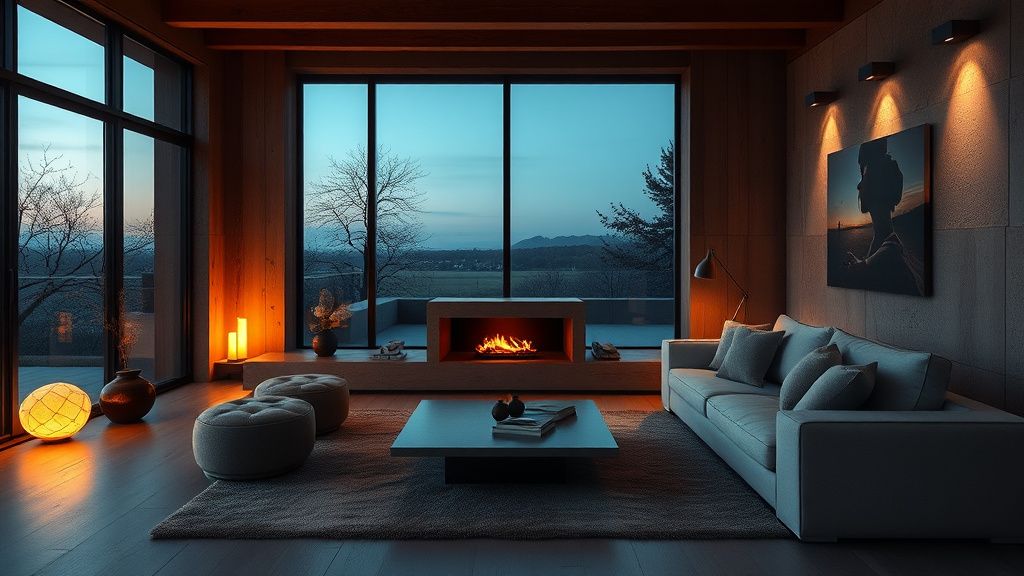
The Biophilic Loop: Beyond Potted Plants
The most cited pillar of neuro-architecture is biophilia, but its implementation is often misunderstood, similar to how many entrepreneurs fail to realize the potential of urban micro-farming until they explore resources like From DIY to Profit: Scaling Passive Hydroponics for Urban Farming in 2026. It is not merely about placing a fern in the corner. It is about fractals.
Human visual systems are optimized to process the fractal patterns found in nature—the self-similar complexity of tree branches, clouds, or coastlines. Research in visual neurobiology suggests that looking at these patterns induces a state of "effortless attention," a concept that mirrors the streamlined efficiency of those learning How to Build a $20k/Month AI Automation Agency Without Hiring Full-Time Staff. When we place a human in a room with highly repetitive, man-made geometry (like a sterile, white-walled office), the brain has to work harder to decode the environment, leading to cognitive fatigue.
The Operational Reality: Architects often try to scale this by using wallpaper or flat prints. It fails. The brain distinguishes between a 2D image of a forest and a 3D structural fractal. True neuro-architecture requires depth, texture, and light play that mimics the "dappled light" effect of sunlight filtering through leaves—a phenomenon known as komorebi.
Acoustics: The Invisible Stressor
While visual clutter gets all the attention, acoustic environment is the silent killer of domestic tranquility, much like how Why Traditional Cybersecurity Is Failing Enterprises in 2026 reveals the invisible risks in the digital landscape. Most modern homes are built with drywall and hard flooring, creating high-reverberation chambers.
High-frequency reflection (bouncing sound) creates a sensory overload. The brain must constantly filter out these "echoes," an energy-intensive task that keeps the prefrontal cortex in a state of high alert. To reduce cortisol, a home must provide "acoustic softness."
- Absorption Coefficients: Use heavy textiles, acoustic panels, or open-cell insulation.
- The Shadow Effect: Just as shadows give depth to a room, "sound shadows"—areas where noise is naturally dampened—allow the nervous system to recalibrate.
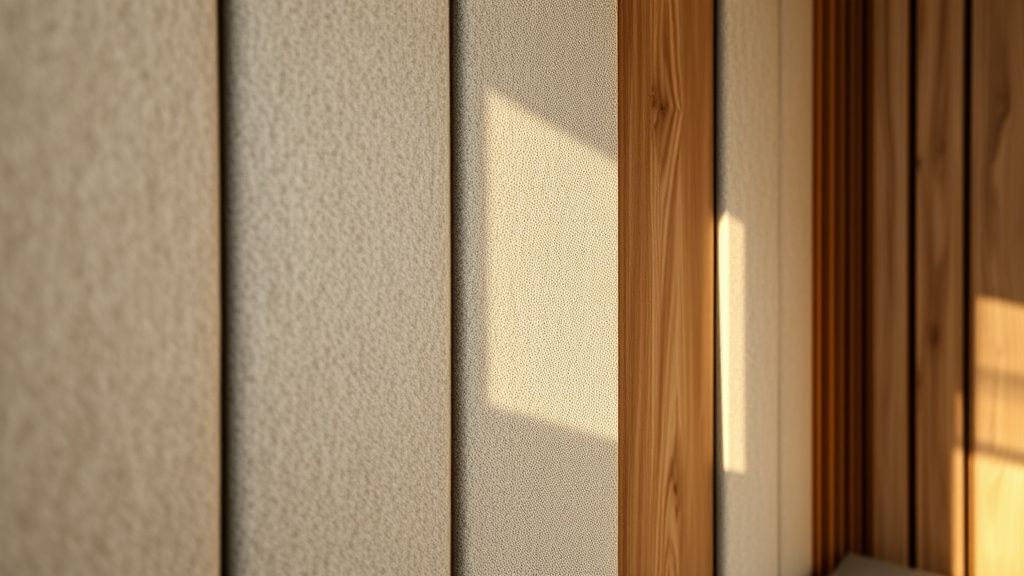
The Threshold Experience: Transitions and Cortisol
A critical failure in residential design is the lack of "decompression zones." We walk directly from the high-stress, high-speed environment of the street into the living room. There is no physiological buffer.
In classical architecture, the foyer was a transition space—a place to shed the external world. Modern open-plan homes have eliminated this. Research suggests that creating a "sensory transition"—a change in lighting intensity, texture, or even temperature—as you move from the entryway to the living area can trigger a parasympathetic response. It signals to the brain: "You are no longer in the public domain; it is safe to down-regulate."
Counter-Criticism and Industry Controversy
Neuro-architecture is currently battling its own hype cycle. Critics point out that "neuro-design" is frequently weaponized as a marketing buzzword for luxury real estate developers who have no interest in actual brain health.
- The "Evidence" Gap: Much of the data is drawn from controlled lab environments (EEG tests in white rooms) and applied to messy, unpredictable home environments. Can a $5,000 "calming" light fixture actually lower cortisol in a home with two screaming toddlers and a chaotic work-from-home schedule? Probably not.
- The Class Divide: Neuro-architecture is currently an elite privilege. The design elements required to dampen stress—natural ventilation, high-quality material integrity, acoustic insulation—are expensive. There is a genuine ethical concern that we are designing "neuro-optimized" homes for the wealthy, while the average person continues to live in "stress-inducing" low-cost housing.
- Subjectivity vs. Universality: What triggers a stress response in one person (e.g., intense, high-contrast natural light) might trigger a "flow state" in another. There is no universal "stress-free" blueprint.
Real Field Reports: When Design Fails
On various architectural forums and Reddit’s r/architecture sub-threads, the gap between theory and reality is stark. A notable case involved a high-end "biophilic" apartment complex in Northern Europe that utilized automated dynamic LED lighting to mimic circadian rhythms. The intention was to sync cortisol cycles to the sun. The result? A massive user backlash.
Users reported "technological anxiety." The lights would shift hue or intensity at the wrong times due to a software bug or a cloud-sync issue, leaving residents in a jarring, unnatural orange glow at 2:00 PM.