
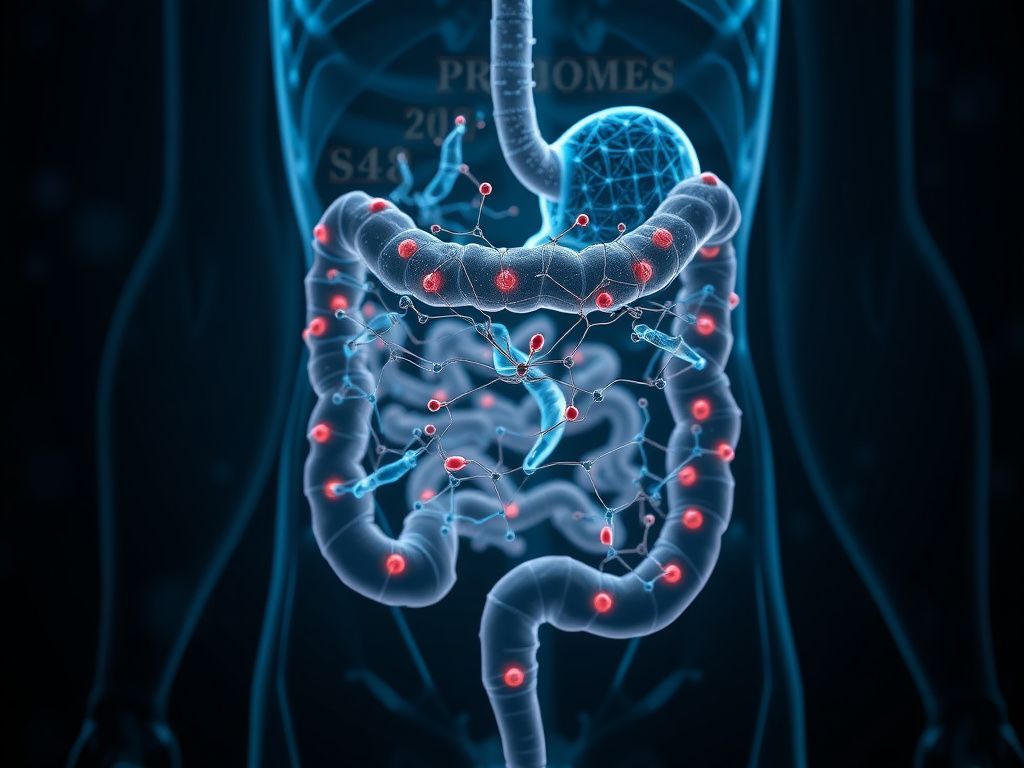
Microbiome engineering is the shift from treating autoimmune disease as an isolated immune malfunction to viewing it as a systemic ecological collapse of the gut-human interface. By 2026, as society grapples with the broader shifts in labor and health, the strategy has moved beyond generic probiotics toward precise, synthetic-consortia interventions—a necessity mirrored by the rise of UBI as discussed in The 2026 AI Employment Crisis: Why UBI Is Moving From Theory to Necessity.
The "autoimmune epidemic" is not a singular biological phenomenon but a cascading failure of human-microbial symbiosis, driven by a century of antibiotic overuse, ultra-processed food consumption, and hyper-hygienic living. By 2026, clinical consensus acknowledges that the "Hygiene Hypothesis" was an oversimplification; the real culprit is "microbial erosion"—the permanent loss of ancestral commensal species. Engineering the microbiome is no longer about adding bacteria; it is about architectural reconstruction.
The Failure of the Probiotic Industrial Complex
For years, the supplement industry sold a lie: that taking a generic Lactobacillus strain from a bottle could "fix" your gut. The reality, as any lead researcher in clinical microbiology will tell you, is that the human gut is a high-pressure, competitive ecosystem where native inhabitants view most commercial probiotics as invasive species.
On Reddit’s r/HumanMicrobiome and various biohacking forums, the sentiment by 2026 is one of cynical fatigue. Long-term users report that while acute diarrhea might resolve, the underlying autoimmune triggers—the systemic molecular mimicry—remain untouched. The "first-generation" probiotic model failed because it lacked engraftment efficacy. You cannot simply drop a traveler into a crowded, hostile city and expect them to govern it, just as you shouldn't expect complex repair tasks to succeed without expertise, such as in How to Build a Profitable Business Fixing Roborock S7 LiDAR Motors.
"The problem with off-the-shelf probiotics isn't just the species; it's the colonization resistance. Our native communities aren't just sitting there; they are actively guarding their niches. Unless you are performing a calibrated depletion followed by precision seeding, you’re just throwing expensive waste into the toilet." — Top contributor on an active gut-health engineering mailing list (2025 archival transcript).
The Mechanics of Ecological Engineering
By 2026, "Microbiome Engineering" implies a three-step protocol:
- Precision Depletion: Using targeted bacteriophages or narrow-spectrum antimicrobial scaffolds to clear empty niches without nuking the entire ecosystem.
- Synthetic Consortia Implantation: Introducing engineered microbial communities that possess metabolic pathways designed to produce short-chain fatty acids (SCFAs) like butyrate, which are essential for regulatory T-cell (Treg) differentiation.
- Metabolic Priming: Providing the specific, non-digestible fiber substrates (prebiotics) required to keep the new, engineered residents fed and competitive.
The barrier to entry here is not merely biology; it is the scaling problem. How do you maintain the viability of a synthetic, anaerobic consortium during shipping, shelf-storage, and delivery through the brutal acidity of the stomach?
Real Field Reports: The "Engraftment Crisis"
In late 2025, a landmark study involving Fecal Microbiota Transplantation (FMT) for ulcerative colitis shed light on the "donor-compatibility paradox." Even when using "gold standard" donors, successful engraftment was limited to patients whose native microbiomes were already depleted enough to provide the necessary spatial vacancy.
In the wild—outside of controlled trials—we see this manifesting in the DIY biohacking community. Users attempting to mirror clinical FMT protocols at home have reported mixed outcomes, mirroring the risks seen in DIY home maintenance; just as you wouldn't ignore safety in a lab, you shouldn't ignore professional guidance when you Stop Throwing Away Your Air Fryer: How to Fix Common E1 and E2 Error Codes. The most common failure point? Pathogen contamination. When you lack the ability to perform high-coverage metagenomic sequencing on your substrate, you are effectively rolling the dice with your immune system.
The "workaround culture" has emerged, where individuals pool resources to fund private, third-party lab testing for their donors. This is the new, decentralized underground of 2026: community-led vetting of microbial donors to bypass the regulatory bottleneck of official FMT clinics, which remain notoriously difficult to access.
The Conflict: Pharmaceutical vs. Ecological
The pharmaceutical industry, historically built on the "one pill, one target" model (e.g., TNF-alpha inhibitors), is currently in a state of institutional anxiety. Autoimmune biologics are incredibly profitable. Curing an autoimmune condition by "engineering the gut" is, from an economic standpoint, an existential threat to the recurring revenue models of chronic condition management.
We see this tension in policy discussions. There is a concerted lobbying effort to keep microbiome-based therapeutics restricted to the prescription-only model, preventing "do-it-yourself" or "food-as-medicine" interventions from gaining legal legitimacy. The battleground is the FDA and EMA’s classification of these consortia—are they "drugs," "biologics," or "nutraceuticals"?

Technical Debt and Scaling
The biggest engineering challenge isn't just getting the bacteria inside; it's the "scaling to the population" issue. Microbiomes are highly personalized. An engineered consortium that works for a 30-year-old male in Seattle might trigger a catastrophic flare-up in a 50-year-old female in Istanbul due to baseline genetic differences in MHC expression.