
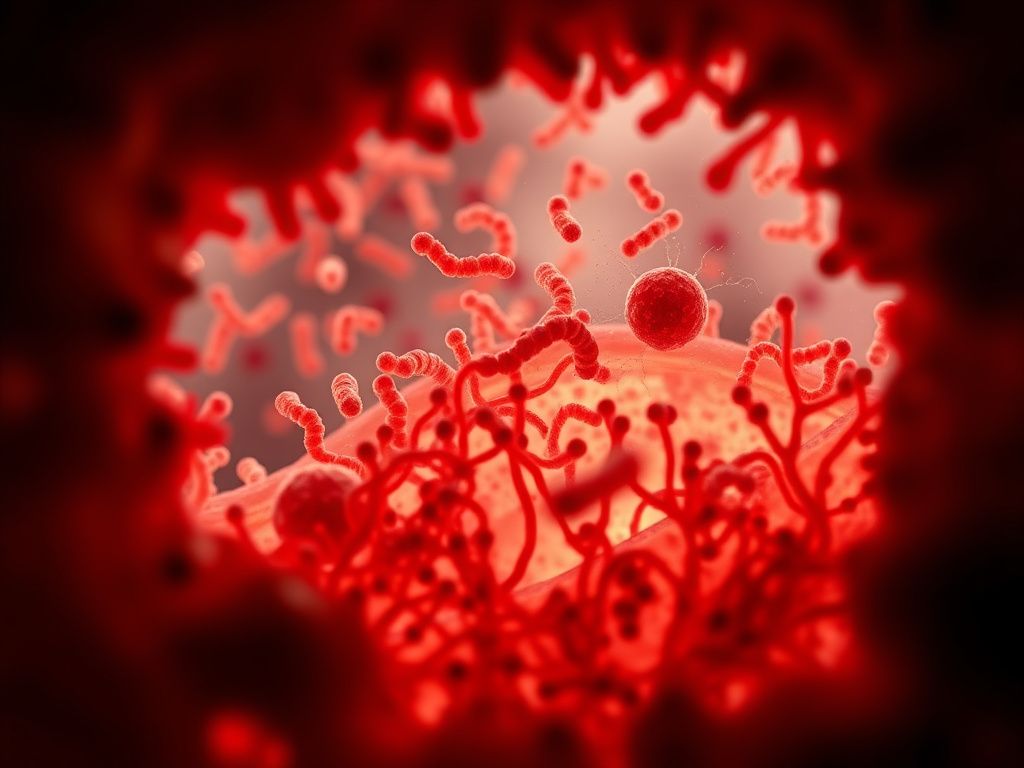
The gut microbiome is not a singular, easily tunable engine, but a complex, chaotic, and often unpredictable ecosystem. While recent literature suggests that manipulating the microbial landscape may influence autoimmune outcomes, the field is currently trapped between promising clinical signals and the operational reality of "bio-hacking" without sufficient longitudinal oversight. Science is not currently at a point where a "universal" gut fix exists, and self-administered protocols carry significant risks of systemic imbalance.
The Illusion of Control: Microbiome Engineering vs. Biological Complexity
We are currently living through the "Gold Rush" phase of microbiome science. On platforms like Reddit’s r/HumanMicrobiome or various longevity-focused Discord servers, you will find users attempting to "engineer" their way out of Crohn’s, Hashimoto’s, or rheumatoid arthritis. They trade anecdotal protocols like trading cards: specific strains of Akkermansia muciniphila, megadoses of prebiotic fiber, or the more extreme—and dangerous—DIY fecal microbiota transplantation (FMT).
The fundamental issue is that the microbiome is not a static list of species; it is an ecosystem governed by horizontal gene transfer, host immunity, and environmental stressors. When you ingest a supplement or alter your diet, you aren't just "adding good bacteria." You are attempting to shift the competitive equilibrium of a trillion-cell community.

The "Workaround" Culture and Its Failures
The "hacking" community often ignores the resilience of the resident microbiome. In many cases, if you attempt to introduce a foreign strain—even a "beneficial" one—it is simply outcompeted by the established niche inhabitants. Users on forums like GitHub-adjacent bio-hacking repositories often document their frustration: "I took 50 billion CFUs of X, tracked my symptoms for three months, and nothing changed."
This is the "Scaling Problem." In a lab setting, a controlled environment allows for specific microbial shifts. In the real world, your stress levels, your sleep-deprivation cycles, and your exposure to environmental toxins act as confounding variables that override the effects of your probiotic regimen. The system is too fragmented to be solved by a simple input-output model.
The Autoimmune Nexus: Why the Gut Matters
Autoimmunity often begins with a breach in the gut barrier—the "leaky gut" phenomenon, though the clinical definitions remain highly contested. When the epithelial barrier fails, bacterial metabolites or antigens cross into the systemic circulation, potentially triggering an inflammatory cascade.
The strategy behind microbiome engineering is to restore mucosal integrity. If we can reinforce the mucus layer (often through fiber-metabolizing bacteria like Faecalibacterium prausnitzii), we can theoretically dampen the immune response. However, the gap between "this bacteria is associated with lower inflammation" and "if I add this bacteria, I will cure my arthritis" is a chasm that modern medicine has not yet bridged.
Field Report: The DIY FMT Dilemma
In the underground bio-hacking community, DIY Fecal Microbiota Transplantation (FMT) is perhaps the most controversial "workaround." While clinically proven for Clostridioides difficile infections, using FMT for autoimmune regulation remains experimental and risky.
In several threads on private Discord servers dedicated to gut health, users share stories of "donor selection" processes that look like blind dating. The risks are palpable: there have been reported cases of individuals inadvertently transmitting multidrug-resistant organisms or viral pathogens because they lacked the advanced metagenomic sequencing tools available to hospital-based labs. The lack of standardized screening protocols in the DIY sector isn't just a technical failing; it is a public health hazard waiting for a catastrophe.
The Economic and Political Pressures
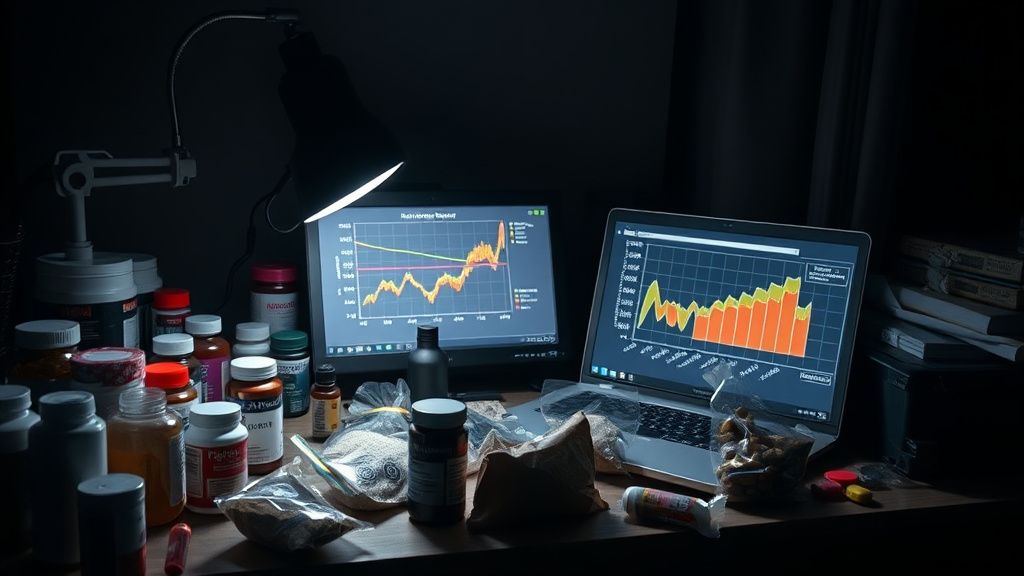
Why is the market pushing "gut health" so hard? There is a massive economic incentive to turn complex biology into a consumer product. Personalized nutrition companies are selling stool-testing kits that promise "precision," but they often rely on static snapshots of an incredibly dynamic environment.
A user’s microbiome in the morning is different from their microbiome in the evening after a high-fiber meal. Yet, these companies sell you a single report and a subscription-based probiotic strategy. It is the perfect monetization of uncertainty. They sell you a "solution" to a problem that changes every 24 hours.