The centralized electrical grid, a relic of the post-WWII industrial expansion, is currently undergoing a slow-motion systemic collapse. It is not failing due to lack of power, but due to a fundamental mismatch between the rigid, top-down architecture of 20th-century utilities and the volatile, distributed reality of 21st-century energy production. As solar PV, battery storage, and smart-inverter technology reach grid parity, the "utility death spiral" is shifting from a theoretical warning by industry analysts to an operational reality for regional grid operators.
The Economic Physics of the Utility Death Spiral
At the heart of this disruption lies a simple but devastating accounting paradox. Utilities operate on a "Cost of Service" regulatory model. They spend massive amounts of capital on transmission infrastructure, then petition regulators to recover those costs through volumetric electricity rates—charging customers per kilowatt-hour (kWh).
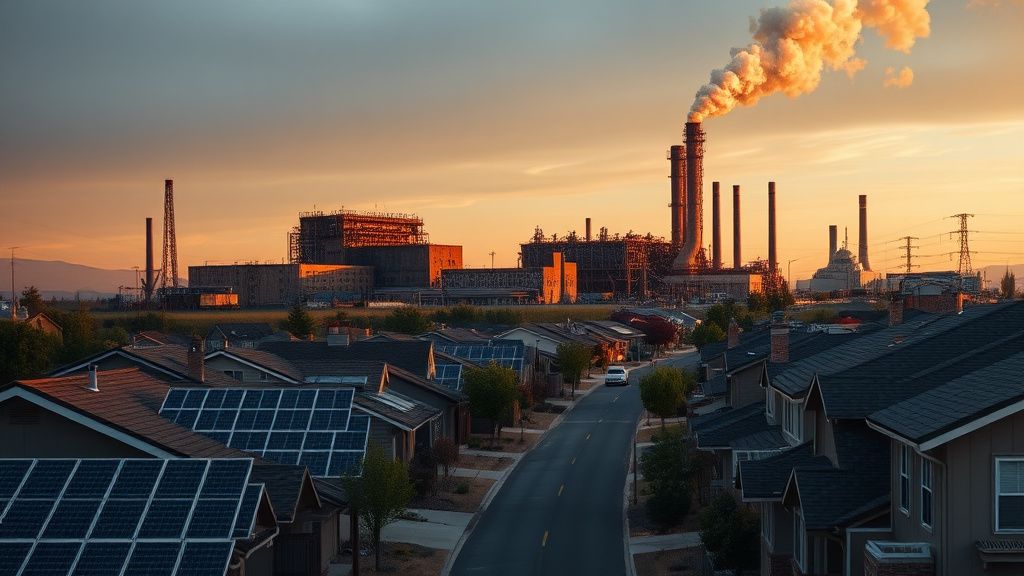
When a homeowner installs a rooftop solar system, they aren't just buying green energy; they are effectively opting out of the utility’s revenue base while still maintaining a dependency on the grid for reliability. The utility, faced with declining sales, must raise rates to cover the fixed costs of maintaining the aging copper and steel infrastructure. These rate hikes make solar even more attractive, prompting more customers to defect. This is the "death spiral": the more successful the technology becomes, the more the utility’s legacy business model disintegrates.
I have spent the last three years tracking threads on forums like Reddit’s r/solar and Hacker News, where the discourse has shifted from "how do I save money?" to "how can I cut the cord entirely?" The sentiment is clear: consumers no longer view utilities as service providers, but as predatory toll-takers.
The Rise of the Prosumer and Localized Autonomy
A "prosumer"—a consumer who also produces energy—is no longer a fringe actor. They are the primary engine of modern grid volatility. In markets like Australia, where residential solar adoption is among the highest in the world, the grid has faced "negative demand" scenarios on sunny days.
Technically, this creates a nightmare for grid frequency regulation. Centralized plants expect a constant, predictable flow. When thousands of homes suddenly push power back into the distribution network, local transformers can overheat and reverse power flows, triggering protection relays that shut down entire segments of the grid.
Utilities are struggling to maintain control. They are currently attempting to monetize this through "grid connection fees" or by slashing net metering rates—essentially trying to retroactively tax the decentralized energy transition. This move, however, has triggered massive community backlash. In California, the transition from NEM 2.0 to NEM 3.0 was met with protests, as users realized the utility was essentially killing the ROI on their investments to protect their own monopoly status.
The Operational Reality: Complexity at the Edge
If you ask any distribution engineer at a major utility, they will admit that the current grid was never designed for bi-directional flow. The "Smart Grid" is often nothing more than a marketing term for legacy infrastructure bolted with low-latency sensors that struggle to handle the sheer volume of data produced by millions of IoT-enabled devices.
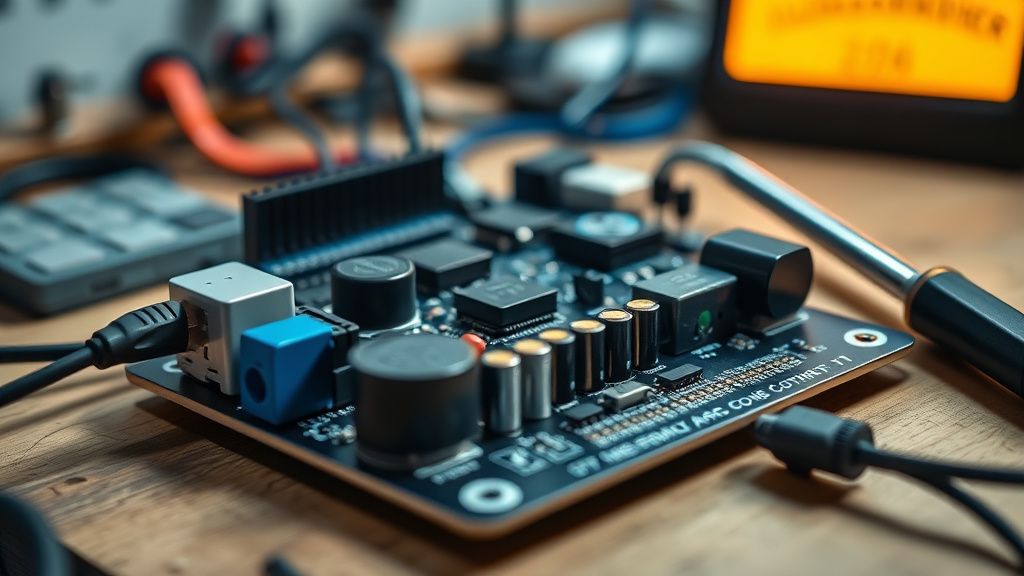
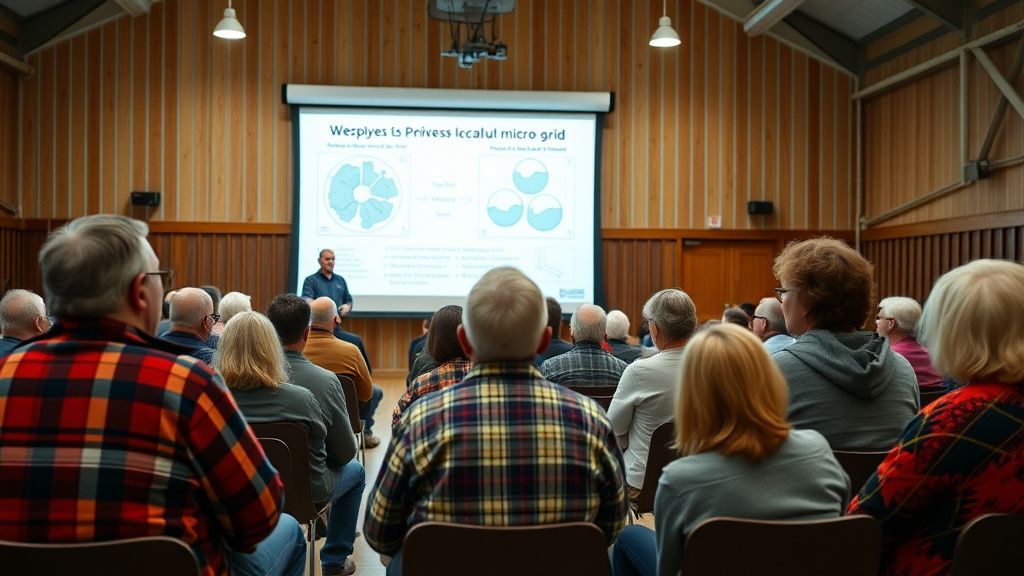
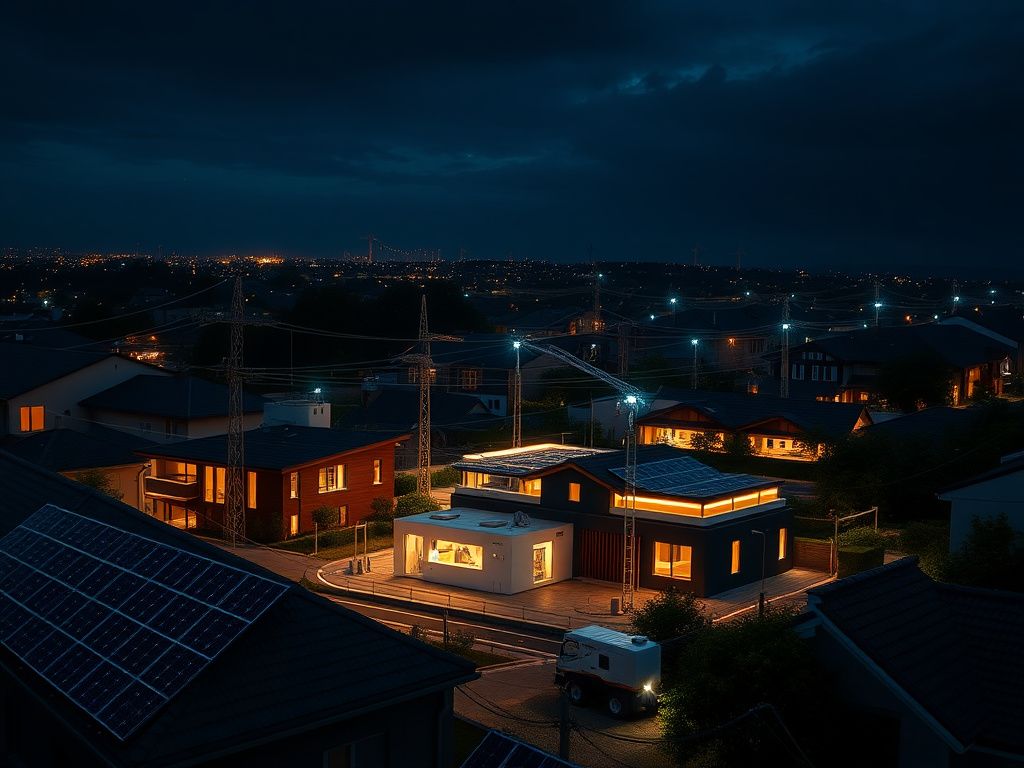
The shift toward micro-grids—localized, self-contained energy systems that can disconnect (island) from the main grid—is the ultimate defensive move against this instability. In practice, a micro-grid uses a centralized controller, often running machine learning algorithms, to balance generation and load in milliseconds.
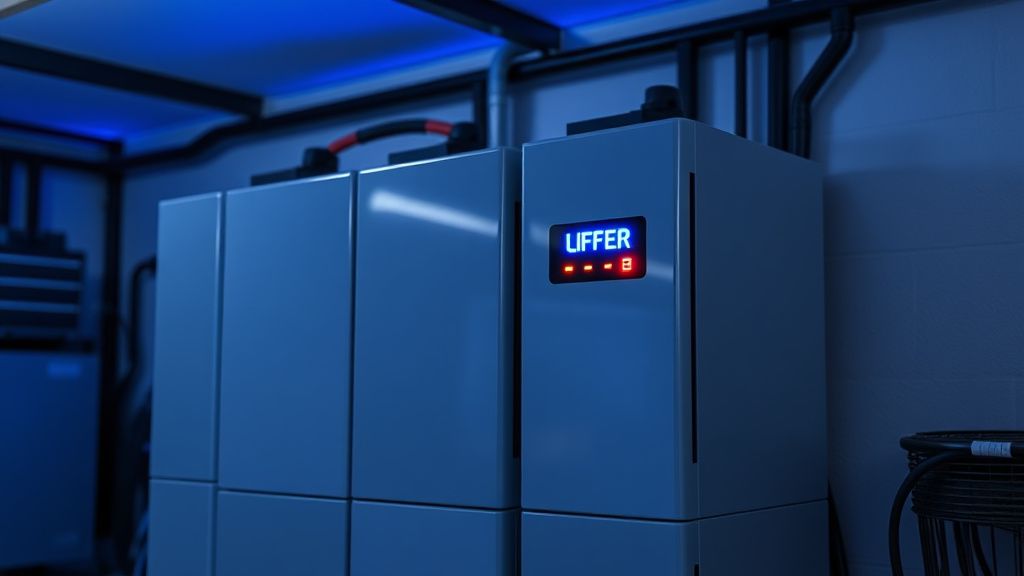
However, the reality is rarely that smooth, which is why those building decentralized networks are often looking for expert leadership to navigate these complex infrastructure transitions. In the GitLab discussions for various open-source energy projects, developers are also exploring how private AI compute nodes can stabilize localized grids while providing new revenue streams.rgy management projects, one theme persists: "It works great until you actually scale it." Maintaining a micro-grid requires a level of technical literacy that the average homeowner doesn't have. If an inverter firmware update fails or a communication gateway hangs, the system can end up "bricked," leaving the household in the dark despite having a fully charged battery in the basement.
Counter-Criticism: Why Decentralization Is Not a Panacea
Critics of the decentralized revolution—mostly defenders of the status quo—argue that micro-grids are inherently inefficient. They point to the "law of large numbers": it is statistically easier to manage a handful of massive, centralized baseload power plants than to coordinate the chaotic behavior of ten thousand residential smart-inverters.
There is truth to this. Without a central authority, the "tragedy of the commons" applies. If everyone in a neighborhood tries to dump their battery power into the grid at the same time to maximize profit (arbitrage), they can destabilize the local voltage levels. This has led to a "workaround culture" where savvy homeowners are using private servers like Home Assistant to override utility-controlled smart meters, effectively hijacking the grid management system to prioritize their own finances over grid stability.
For those interested in technical specifications, you can calculate the potential energy yield of various setups using our Solar Potential Calculator.