
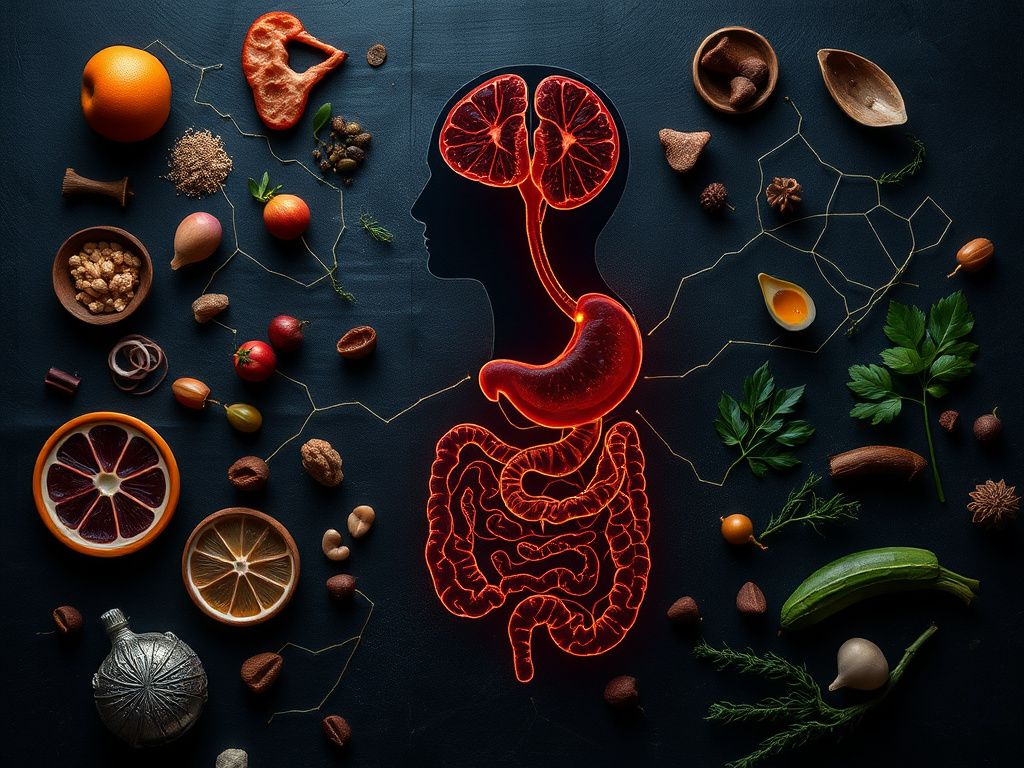
Quick Answer: Emerging clinical research shows that targeted fermented food protocols and probiotic interventions can meaningfully reduce symptoms of mild-to-moderate depression by modulating the gut-brain axis — a bidirectional communication network linking intestinal microbiota to central nervous system function. While not a replacement for clinical SSRIs in severe cases, microbiome therapy is gaining serious traction as a first-line or adjunct strategy.
The idea that your intestinal bacteria could influence your mood is no longer fringe neuroscience. It is, in fact, one of the most rapidly advancing fields in psychiatry and gastroenterology. Over the last decade, peer-reviewed data from institutions ranging from the APC Microbiome Ireland research center to Leiden University's cognitive neuroscience labs has established a mechanistic framework that makes the gut-brain connection not just plausible — but measurable, reproducible, and clinically actionable.
For millions of people living with mild depression — a condition often undertreated or over-medicated — this represents a genuinely new therapeutic pathway.
The Gut-Brain Axis: What It Actually Is
The gut-brain axis (GBA) is a complex, bidirectional signaling network that connects the enteric nervous system (the "second brain" embedded in your gastrointestinal wall) with the central nervous system via:
- The vagus nerve — a cranial nerve transmitting electrochemical signals in both directions
- The hypothalamic-pituitary-adrenal (HPA) axis — regulating cortisol and stress response
- Enteroendocrine cells — producing gut-derived hormones including serotonin precursors
- Immune cytokine pathways — linking intestinal inflammation to neuroinflammation
A critical, often-overlooked data point: approximately 90–95% of the body's serotonin is synthesized in the gut, not the brain. This fundamentally reframes how antidepressant strategies should be conceptualized.
The microbiome — comprising roughly 38 trillion microbial organisms in the average adult gut (Sender et al., Cell, 2016) — acts as a metabolic orchestra that influences tryptophan availability, GABA receptor activity, and systemic inflammatory load, all of which directly impact mood regulation.
The Clinical Case Against Default SSRI Prescribing for Mild Depression
Selective serotonin reuptake inhibitors (SSRIs) remain the most commonly prescribed class of antidepressants globally. However, the evidence base for their use in mild depression specifically has been questioned with increasing rigor.
A landmark 2008 meta-analysis by Kirsch et al., published in PLOS Medicine, found that the difference between SSRIs and placebo for mild-to-moderate depression was below the threshold of clinical significance as defined by NICE guidelines. The Hamilton Rating Scale for Depression (HRSD) difference was 1.8 points — against a clinically meaningful threshold of 3 points.
Additional concerns include:
- Sexual dysfunction in 40–65% of SSRI users (Clayton et al., Journal of Clinical Psychiatry, 2002)
- Discontinuation syndrome affecting up to 56% of long-term users (Davies & Read, Addictive Behaviors, 2019)
- Blunted emotional responsiveness, often described as "emotional anesthesia" by patients
- Minimal impact on the underlying inflammatory and microbial mechanisms now understood to drive depressive phenotypes
This does not make SSRIs ineffective — they remain essential for moderate-to-severe depression. But for mild presentations, the risk-benefit calculus increasingly favors exploring microbiome-targeted interventions first.
Fermented Microbiome Therapy: The Evidence Base
The "Psychobiotics" framework, first formally proposed by Dinan, Stanton, and Cryan in Biological Psychiatry (2013), defines psychobiotics as live organisms that, when ingested in adequate amounts, produce a mental health benefit.
Since that original publication, the research has expanded substantially.
Key Clinical Trials
The SMILES Trial (2017) — BMC Medicine This Australian randomized controlled trial (n=67) tested a Mediterranean-style dietary intervention against social support in adults with major depressive disorder. The dietary group — emphasizing fermented foods, legumes, and omega-3 rich proteins — showed a 32% remission rate versus 8% in the control group. The NNT (number needed to treat) was 4.1, comparable to many pharmacological interventions.
The APC Microbiome Ireland Probiotic Study (2019) Using Lactobacillus rhamnosus JB-1 in rodent models and extending to human pilot data, researchers demonstrated measurable reductions in corticosterone (a cortisol analog) and GABA-B receptor expression changes in the prefrontal cortex — directly implicating gut flora in emotional regulation circuitry.
Leiden University Fecal Microbiota Study (2022) A double-blind human trial examining fecal microbiota transplantation (FMT) from "happy donor" profiles showed statistically significant improvements in anhedonia scores at 6-week follow-up — a finding with profound implications for future therapeutic protocols.
Specific Fermented Foods with Documented Psychobiotic Potential
| Food | Key Microorganism | Mechanism |
|---|---|---|
| Kefir | L. kefiri, L. kefiranofaciens | Tryptophan modulation, cortisol regulation |
| Kimchi | Lactobacillus plantarum | Anti-neuroinflammatory cytokine reduction |
| Miso | Aspergillus oryzae | GABA synthesis enhancement |
| Yogurt (live cultures) | L. helveticus, B. longum | HPA axis normalization |
| Kombucha | Acetobacter, Gluconobacter | Antioxidant, gut barrier integrity |
The Reset Protocol: Practical Application
A gut-brain axis reset is not a branded product — it is a structured, evidence-informed lifestyle protocol. The core framework involves three phases: