
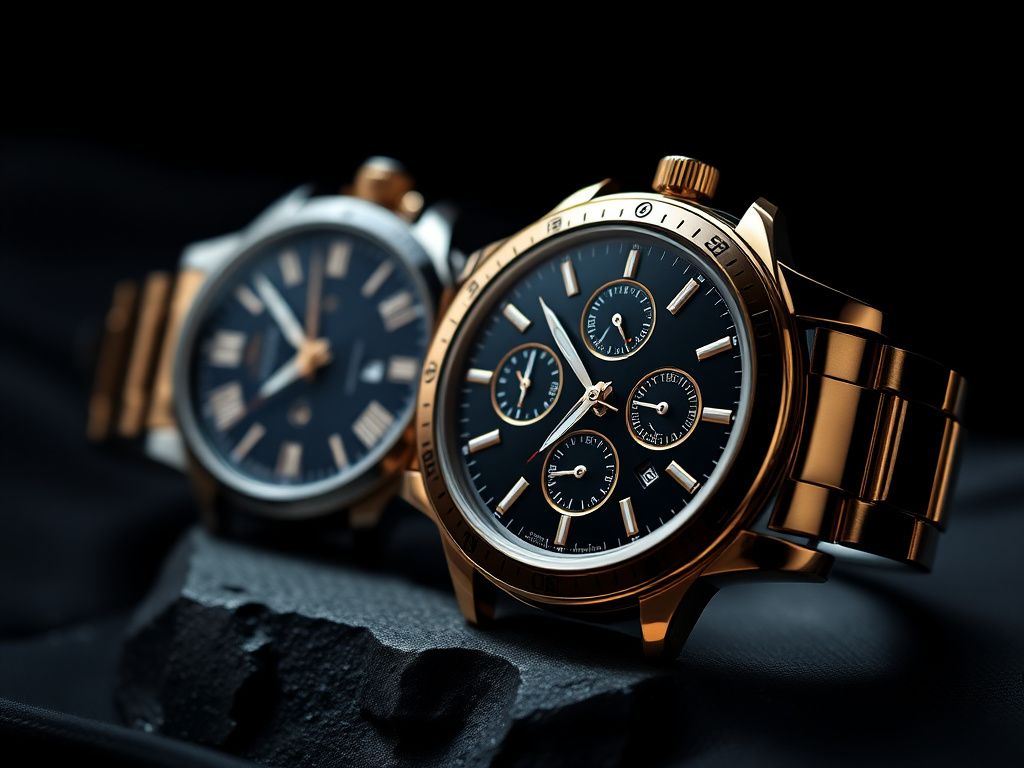
Fractional watch investing allows individuals to purchase equity shares in high-value, investment-grade luxury timepieces. For 2026, it represents a modern strategy to access a tangible asset class, known for its potential to act as a store of value and hedge against the erosive effects of persistent inflation.
As we navigate the economic crosscurrents leading into 2026, sophisticated investors are increasingly looking beyond traditional equities and bonds. The search for assets with low correlation to public markets, capable of preserving purchasing power, has intensified. This is where the world of horology—the study and measurement of time—unexpectedly intersects with modern portfolio theory. For decades, luxury watches from storied Maisons like Patek Philippe, Audemars Piguet, and Rolex have been more than mere time-telling devices; they are tangible stores of value, masterpieces of mechanical engineering, and potent symbols of status. Historically, however, direct ownership has been a capital-intensive affair, locking out all but the wealthiest collectors.
Fractionalization shatters that paradigm. It democratizes access to this exclusive asset class, allowing investors to purchase a slice of a six-figure timepiece for what might be the cost of a dinner out. This is the new frontier of alternative asset allocation.
The Financial Thesis: Why Are Luxury Watches an Effective Inflation Hedge?
To understand the appeal, you must first grasp the core tenets of an effective inflation hedge. An asset must possess intrinsic value, scarcity, and sustained demand that is not entirely dependent on the health of the broader economy. Investment-grade timepieces check these boxes with mechanical precision.
- Inherent Scarcity: Unlike fiat currency, which can be printed into oblivion, the production of a Patek Philippe Grand Complication or an Audemars Piguet Royal Oak is severely limited. The sheer man-hours, artisanal skill, and brand discipline required to create these pieces ensures a perpetually constrained supply. This scarcity is the bedrock of their value retention.
- Enduring Brand Equity: The "holy trinity" of watchmaking (Patek Philippe, Audemars Piguet, Vacheron Constantin) and the undisputed king, Rolex, have cultivated over a century of brand value. This is not fleeting hype; it's a legacy of innovation, quality, and marketing genius that creates a powerful and lasting demand curve.
- Global, Diversified Demand: The buyer base for these watches is a global cohort of high-net-worth individuals. Their purchasing power is often less affected by localized economic downturns, providing a stable demand floor for the most sought-after models.
Experts note that according to the Knight Frank Luxury Investment Index, collectible watches have shown remarkable appreciation over the last decade, often outperforming classic cars and fine art. This historical performance provides a compelling, data-backed argument for their role as an inflation-fighting satellite asset within a diversified portfolio.
Deconstructing Fractional Ownership: More Than Just a Small Piece
Fractional investing isn't a new concept—it's been applied to real estate and fine art for years. Its application to horology, however, has been supercharged by technology.
The mechanism is elegant in its simplicity. A platform acquires a highly desirable, authenticated timepiece—say, a Rolex "Panda" Daytona. The watch is then professionally valued, insured, and secured in a high-security vault. Following this, the platform securitizes the asset, creating a set number of equity shares (often via an LLC structure or, increasingly, tokenization on a blockchain) that represent direct ownership. Investors can then buy and sell these shares on the platform's secondary market.
The primary advantages are clear:
- Accessibility: The six-figure price tag of a grail watch is no longer a barrier. An investor can gain exposure for a few hundred or thousand dollars.
- Diversification: Instead of concentrating $50,000 into a single Rolex Submariner, an investor can allocate that same capital across fractional shares of a dozen different blue-chip models from various brands, mitigating single-asset risk.
- Enhanced Liquidity: Selling a wholly-owned, high-value watch can be a cumbersome and costly process involving auction houses or dealers. Fractional platforms aim to provide a more liquid secondary marketplace for buying and selling shares, although liquidity can still be a significant concern compared to public stocks.
From my vantage point in portfolio management, the critical shift here is viewing the watch not as a collectible you wear, but as a securitized financial instrument, not unlike an asset-backed security. Your "share" is a claim on the underlying asset's value.
The Strategic Playbook for 2026: Identifying Investment-Grade Grails
Not all shiny watches are gold from an investment perspective. A common misstep I observe is investors confusing a luxury consumer good with a true investment-grade asset. The critical factor that separates sophisticated investors from speculators is rigorous, data-driven selection.
Focus on Brand Provenance and Reference Numbers
The market overwhelmingly favors a select few. Stick to the titans: Patek Philippe, Audemars Piguet, and Rolex. Within those brands, specific reference numbers carry immense weight. For example, a Patek Philippe Nautilus 5711, discontinued in steel, commands a legendary premium over other, less iconic Nautilus models. An Audemars Piguet Royal Oak "Jumbo" Ref. 15202 is in a different league than many of its Royal Oak Offshore cousins. Deep research into which models have historical price stability and a strong collector following is non-negotiable.