
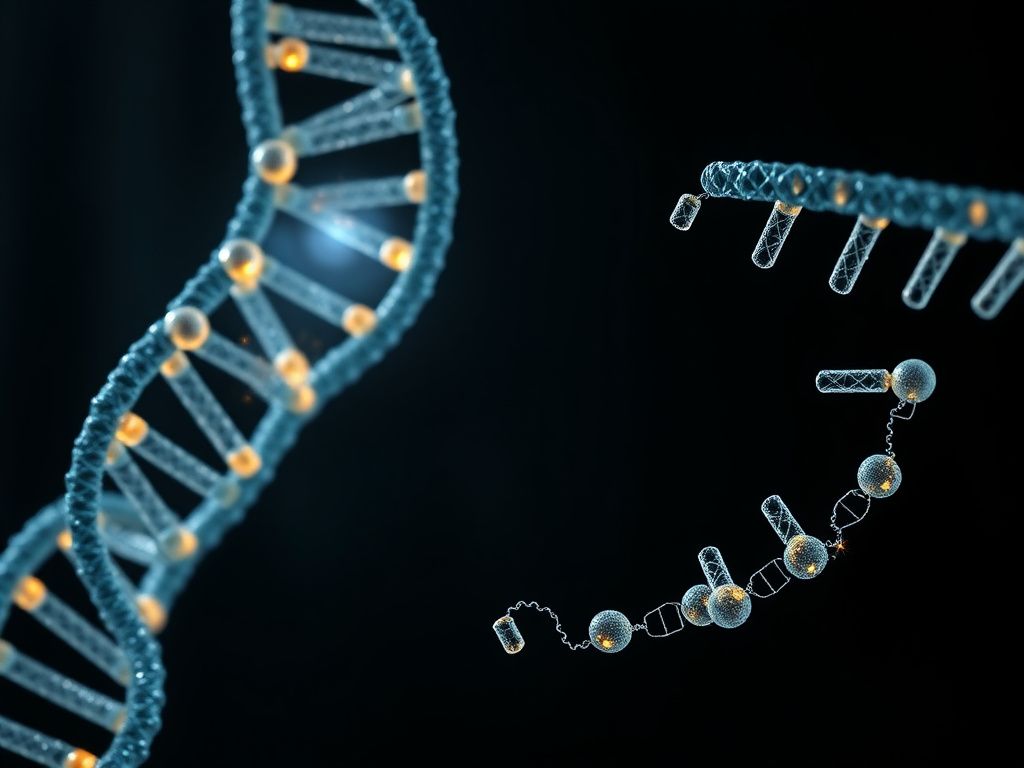
The short answer is: Yes, but with caveats. Epigenetic clocks—biomarkers like the Horvath Clock—measure biological aging via DNA methylation. Research indicates that structured, consistent exercise can "turn back" these markers. However, the data is currently observational and highly variable; there is no standardized "exercise pill" that guarantees a specific reduction in biological age.
The Mechanism: Methylation as a Biological Ledger
To understand why we think exercise works, you have to stop thinking about DNA as a static blueprint. Think of it instead as a script. Epigenetics is the set of chemical "sticky notes"—specifically DNA methylation—attached to that script, telling the cell which genes to express and which to silence.
As we age, this methylation landscape becomes increasingly disorganized. Some regions become hyper-methylated, while others lose their markers entirely. The "Epigenetic Clock" is essentially a statistical algorithm that reads these patterns to predict your chronological age. When the clock says you are "biologically older," it means your cellular repair mechanisms have slipped, often due to inflammation, metabolic stress, or mitochondrial dysfunction.
The promise of exercise is that it acts as a systemic stressor—a "good" kind of damage—that forces the cell to update its maintenance protocols.
The Operational Reality: Intensity vs. Consistency
The literature is often weaponized by wellness marketing, leading users to believe that a specific heart rate zone will shave five years off their life. The actual data, pulled from cohorts like the Heritage Family Study and various meta-analyses, suggests a more nuanced reality:
- The "Goldilocks" Zone: Moderate-to-vigorous physical activity (MVPA) is consistently associated with younger biological ages. However, the benefits follow a logarithmic curve. Moving from sedentary to active provides the largest "epigenetic correction." Adding high-intensity interval training (HIIT) on top of that yields diminishing returns in terms of purely epigenetic biomarkers, even if it improves VO2 max.
- The Over-training Paradox: We see in various sports science forums and athlete support threads that excessive, unrecovered volume can actually induce markers of accelerated aging. High cortisol levels and chronic systemic inflammation can lead to "epigenetic noise," essentially confusing the very cellular signals exercise is meant to sharpen.
Engineering a Protocol: Why "One-Size-Fits-All" Fails
If you scour GitHub repositories or Bio-hacker subreddits, you’ll find hundreds of custom "protocol trackers" built in Excel or Notion. The tragedy is that these tools often ignore the baseline.
A 50-year-old sedentary male, a 30-year-old amateur marathoner, and a 60-year-old with metabolic syndrome have vastly different epigenetic "starting points." Applying a high-intensity HIIT protocol to all three doesn’t result in a uniform rejuvenation; it results in wildly different metabolic stresses.
The practical reality for the user:
- Baseline Testing: You cannot improve what you don't measure. While consumer epigenetic kits (like those measuring DNAmAge) are still in their infancy, they provide a snapshot.
- The "Low-Hanging Fruit" Strategy: Most of the epigenetic benefits of exercise are realized through improved glucose disposal and reduced chronic inflammation. Strength training (for metabolic health) combined with Zone 2 cardio (for mitochondrial efficiency) consistently outperforms "trendy" high-intensity fads in long-term biomarker stability.
"The hardest part of any anti-aging protocol isn't the workout. It's the boring, daily maintenance that prevents the 'epigenetic drift' caused by sleep deprivation and poor nutrition. You can't out-train a 2:00 AM bedtime." — Observation from a long-term bio-data tracking community.