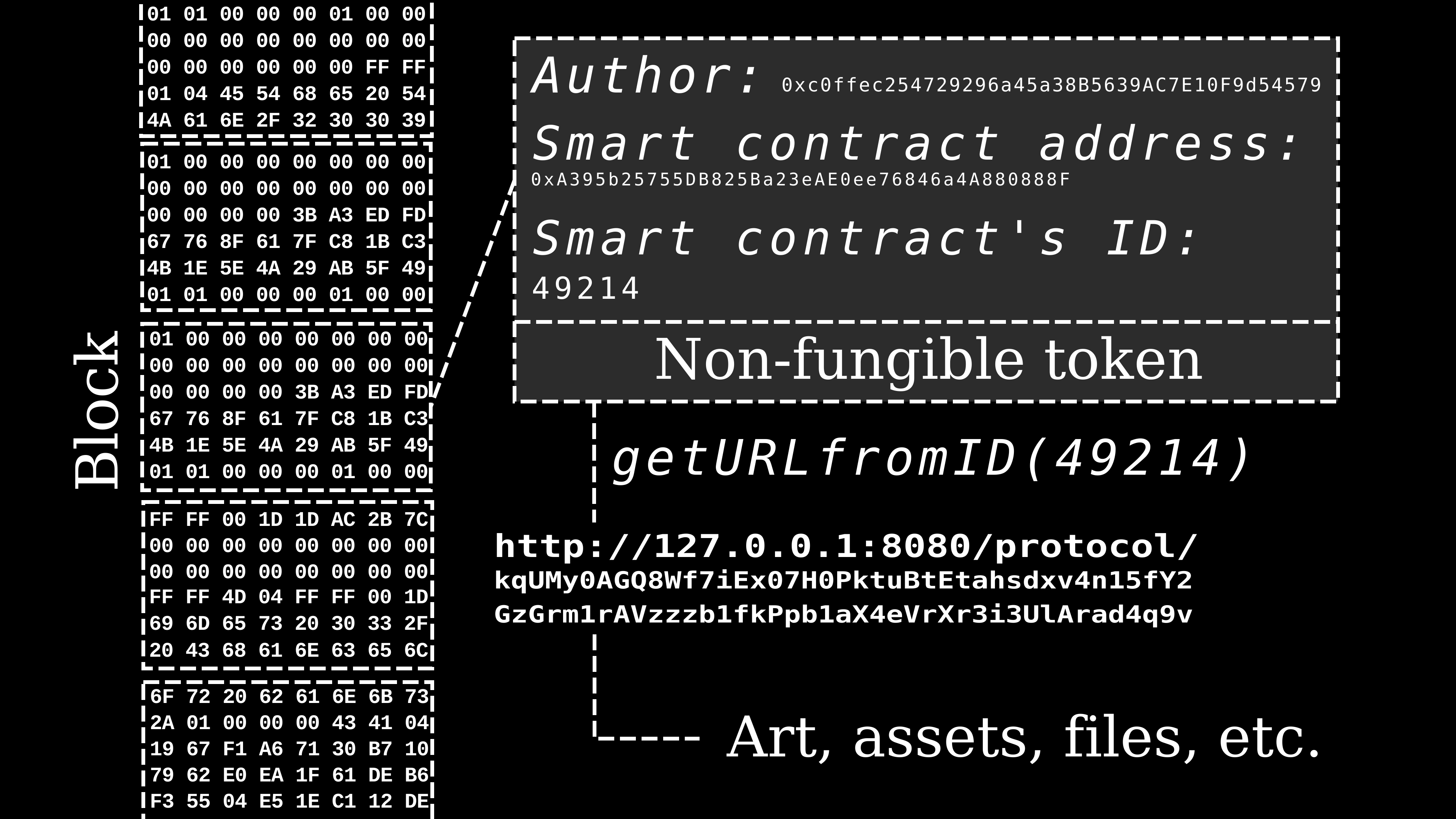
Understanding the Concept of Decentralized Autonomous Art Galleries
Imagine a world where the realms of blockchain, art display, and decentralized finance seamlessly converge. That’s precisely the promise offered by decentralized autonomous art galleries. These avant-garde establishments leverage the ERC-721 protocols, transforming artworks into non-fungible tokens (NFTs). This digital innovation bestows artworks with a secure and unique digital lineage that is both unchangeable and transparent.
ERC-721 Protocol: The Cornerstone of Digital Art Tokenization
Evolution of ERC-721: Back in 2017, Dieter Shirley introduced the ERC-721 standard, which dramatically shifted how we perceive digital asset ownership. Unlike its fungible relative, ERC-20, this eagerly embraced Ethereum standard gives rise to NFTs endowed with distinct traits. This makes it a perfect vehicle for representing unique digital assets like artworks.
ERC-721 in Art: Before the advent of ERC-721, digital artists faced the constant worry of duplication and ownership disputes. Today, thanks to NFTs, every piece of digital art is paired with a token that carries crucial metadata about its owner, history, and authenticity. This innovation ensures that artists and collectors can verify and trade artistic digital expressions with confidence and clarity.
Core Features of Decentralized Art Galleries
Decentralization and Autonomy: These art galleries enjoy true independence through blockchain smart contracts. They handle transactions and govern ownership, all without the usual intermediaries. This grants them operational autonomy and slashes administrative costs.
Transparency and Security: With the blockchain's unalterable records, every transaction is logged, establishing an audit-proof trail. This transparency not only builds trust but also curtails fraudulent activities in art deals.
Global Accessibility: Artists now have a global stage ready at their fingertips. Decentralization tears down geographical and social barriers, allowing creators to present their work to an international audience, directly communicating with buyers and enthusiasts alike.
Royalty Management: Through smart contracts, royalties can seamlessly transfer to artists with each resale of their work. This automatic financial recognition often evades traditional art market systems.
Real-World Implementations and Case Studies
A case in point is the Async Art platform, renowned for enabling the creation of digital art with interactive and individually controllable layers. Functioning as a decentralized platform, it facilitates direct artist-to-collector engagements and maintains high-value sales due to the one-of-a-kind nature and programmability of the pieces.
Additionally, platforms like OpenSea and SuperRare collect NFT artworks into decentralized marketplaces. Here, creators and collectors find their haven, where blockchain unequivocally verifies ownership.