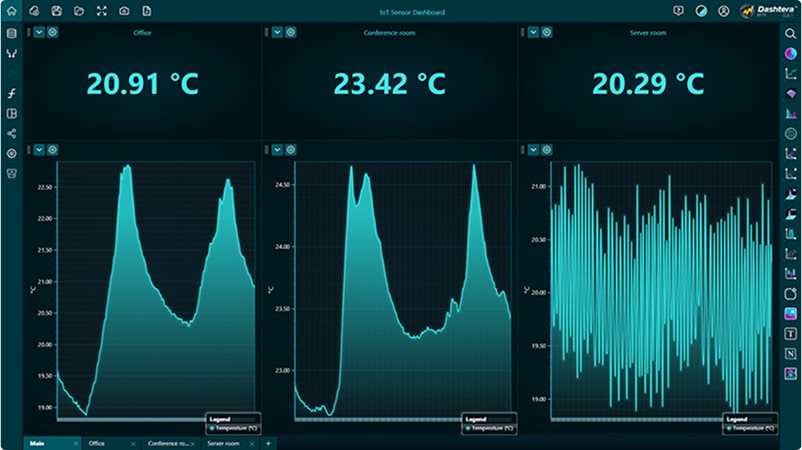
The transition from traditional actuarial science—a field historically built on the rearview mirror of historical loss data—to the granular, real-time pulse of cyber-physical insurance marks the most significant shift in risk underwriting since the invention of the deductible. In 2026, the insurance industry is no longer betting on the statistical probability of a factory fire or a bridge collapse. Instead, they are monitoring the high-frequency vibration of a turbine or the thermal variance in a smart-grid substation.
This isn't just "InsurTech." It is a fusion of data analytics, much like the breakthroughs found in Beyond Health Dashboards: Scaling Microbiome Data in Executive Coaching or Beyond CRISPR: How Epigenetic Editing is Rewriting the Future of Farming. However, beneath the polished slide decks of insurance executives promising "frictionless, data-driven security," there is a messy reality of fragmented standards, privacy paranoia, and a growing disconnect between underwriters and the systems engineers who actually maintain the infrastructure.
The Death of the Static Policy
For decades, underwriting followed a rhythmic, bureaucratic cadence: an inspector would visit a site, clipboard in hand, look at a building’s fire suppression system, check the maintenance logs, and issue a policy that remained static for a year. If the insured entity improved their security, they might get a marginal discount upon renewal.
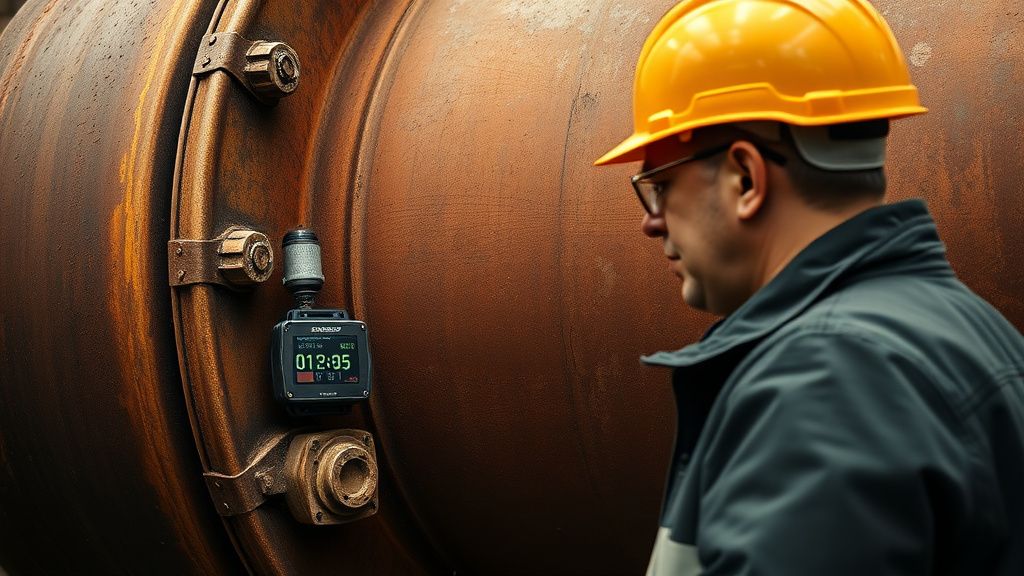
By mid-2026, that model is effectively a legacy artifact. Modern risk assessment is now continuous. Through the deployment of tens of millions of sensors—from acoustic emission monitors on pressure vessels to satellite-based synthetic aperture radar (SAR) tracking ground subsidence—insurers now demand a seat at the digital table.
The shift is driven by the realization that infrastructure depends on cyber-physical protocols, where Why Hybrid Autonomy Is the Secret to Keeping Your Top Talent remains as critical as How to Legally Structure a Multi-Member DAO for Freelance Teams. A pump failure is rarely just a mechanical issue in 2026; it is often a sensor-drift issue, much like the common frustration of a Nespresso Vertuo Blinking Red and Orange? Here Is How to Fix It for Free or a Roomba Error 15: How to Fix Internal Communication Failures. When a client’s facility is "smart," the insurer needs to know if the firmware is updated—much like how an executive might use Beyond Blue Light: How Elite Consultants Are Optimizing Executive Biology Through Lighting to optimize their own internal systems.
The Operational Friction: When Data Streams Collide
The promise of this new era is "dynamic pricing." The reality is "API fatigue." Large-scale industrial operators are currently struggling with the burden of reporting. To satisfy the demands of three different global insurance carriers, a single chemical processing plant might be required to feed telemetry data into three distinct, proprietary dashboard platforms.
"We aren't just manufacturers anymore; we're essentially a massive IT help desk for our own insurance company," notes an engineering manager at a European chemical logistics firm, who requested anonymity due to active policy negotiations. "They want sub-second latency on vibration telemetry. If the network jitters and we lose a packet of data, the system flags it as a 'potential sensor tampering event' or 'data integrity loss.' My team spends four hours a day reconciling data logs just to prove we aren't hiding a malfunction."
This creates a hidden tax on operations, requiring businesses to optimize their physical assets as carefully as they manage their portfolios—perhaps through a 2026 Wealth Strategy: How to Withdraw Assets Without Losing Half to Taxes or Is Your IRA Ready for 2026? How to Build a Tax-Efficient Dividend-Growth Strategy. While insurers claim this increases "resilience," operators often struggle with connectivity, similar to the frustration users face when Why Your Ring Doorbell Keeps Going Offline (and How to Fix It) or when trying to Stop Throwing Away Your Air Fryer: How to Fix Common E1 and E2 Error Codes. This is the "adoption friction" that industry analysts rarely mention in their white papers.
The "Black Box" Problem and Algorithmic Bias
The most contentious aspect of 2026 cyber-physical underwriting is the lack of transparency in the risk models themselves. Insurance carriers are protective of their "proprietary risk algorithms." When a premium jumps 40% after a firmware update on a fleet of autonomous transport vehicles, the client often receives nothing more than a generic notification about "increased risk exposure profile."
In the forums of Hacker News and Reddit’s sub-communities for Industrial Control Systems (ICS) security, threads are filled with complaints about the "opaque black box" of AI-underwriting.
“It’s great that they have sensors on everything, but there is zero accountability. My premium hiked because our system reported a 5ms delay in heartbeat signals, which the insurer’s AI interpreted as a 'potential lateral movement vulnerability.' It was just a shitty ISP switch that we replaced the next day. They treat it like a security breach every time there’s a network hiccup.” — Comment from an ICS Admin on a private industry Discord.
This leads to a "workaround culture." Site managers are increasingly installing local data-cleansing middleware—essentially a buffer—that masks minor sensor noise before it reaches the insurer’s API. They are gaming the monitoring systems to avoid being flagged by automated actuarial triggers. This, in turn, renders the insurance data less accurate, creating a feedback loop of mistrust.
The Failed Promise of "Reduced Premiums"
The initial pitch for smart-infrastructure insurance was cost-efficiency. By monitoring risks, companies would prevent disasters, and insurers would pass those savings to the customer.
However, in 2026, the economics have shifted toward cost-shifting. Insurers are using this telemetry not necessarily to lower premiums, but to enforce stricter "covenants of maintenance." If a sensor reports that an operating temperature exceeded a threshold by 0.5 degrees for three seconds, and that event isn't logged in the facility’s CMMS (Computerized Maintenance Management System), the insurer can move to void the liability coverage for that specific sector.
It is a form of digital entrapment. The insurer effectively becomes a micro-manager of the facility’s operations.
Case Study: The Logistics Hub Failure
Consider the 2026 catastrophe at a massive automated logistics hub in Singapore. The facility was covered by a "Cyber-Physical Adaptive" policy. When a routine software update caused a synchronization drift in the automated sorting robots, the sensors detected the anomaly.