By 2026, the intersection of actuarial science, climate modeling, and real estate economics will reach a point of systemic friction that many homeowners are currently unprepared for. The "Climate Gentrification" phenomenon—where high-ground, inland properties see sharp value spikes while coastal assets face a "liquidity trap" driven by insurance premiums—is no longer a theoretical projection. It is an operational reality. If you hold property in a high-risk flood zone, the math underlying your premium is shifting from historical loss patterns to predictive, catastrophe-model-driven pricing that ignores your decade of "no claims."
The insurance industry is currently undergoing a painful migration. For years, carriers relied on backward-looking data: "What happened here in the last 30 years?" Today, models like RMS (Risk Management Solutions) and AIR Worldwide are forcing a forward-looking paradigm: "What is the probability of a 1-in-100-year event occurring every single year for the next decade?" This shift in methodology is why we are seeing carriers pull out of markets like Florida, California, and parts of the Gulf Coast entirely, leaving the remaining insurers to charge risk-adjusted premiums that essentially function as a "climate tax."
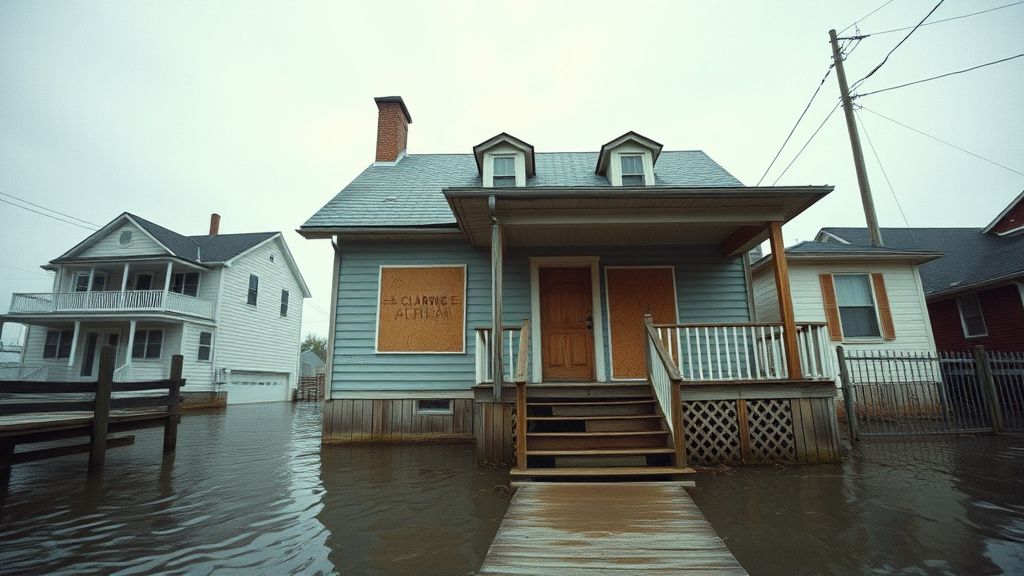
The Mechanics of the "Insurance Death Spiral"
The primary driver of the impending 2026 premium explosion is the breakdown of the traditional reinsurance market. Think of insurance as a tiered structure: you pay your primary carrier, but that carrier offloads a portion of their risk to a reinsurer (like Swiss Re or Munich Re). In the past, this was a stable, boring business. Now, as "secondary perils" (hail, wildfire, extreme convective storms) increase in frequency, reinsurance rates are skyrocketing.
When a primary insurer’s cost to buy coverage from a reinsurer increases by 30-40%, they don’t just absorb that cost. They pass it to the consumer, or they exit the state. This leads to the "Residual Market" problem. When private carriers exit, the state-backed "Insurer of Last Resort" (such as Citizens Property Insurance in Florida) explodes in growth.
- The Problem: State-backed pools are inherently undercapitalized.
- The Result: If a major hurricane hits, these state pools rely on assessments—meaning every policyholder in the state (even those who didn't lose their homes) gets a bill to cover the deficit.
This creates a perverse incentive structure: low-risk inland residents end up subsidizing the insurance premiums of high-risk coastal homeowners, creating a political and economic powder keg. The 2026 milestone represents a point where many state-backed pools are projected to hit their debt ceilings, forcing premiums to market-clearing levels that many middle-class homeowners simply cannot afford.
Why "Historical Accuracy" is Now a Liability
Historically, underwriters looked at "Loss Runs"—a summary of your claims history. If you didn’t file a claim, you were a "good" risk. That logic is now obsolete. Underwriting is becoming decoupled from the individual building and tethered to the "Grid."
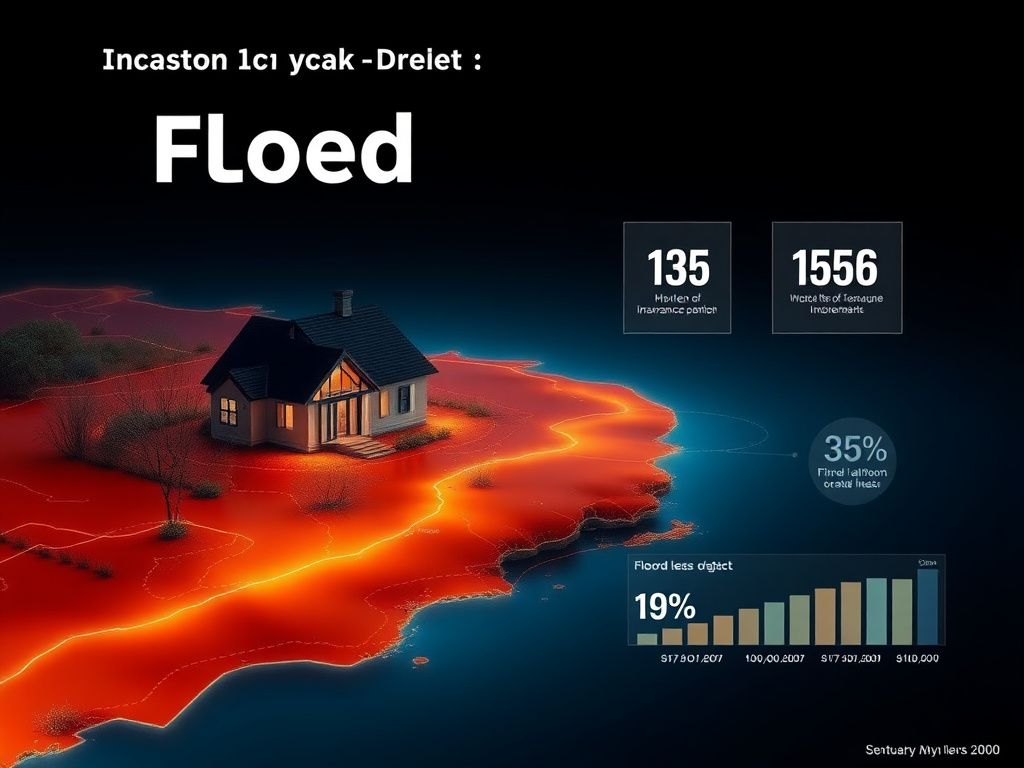
In the current climate, your property is no longer assessed based on your maintenance record, but on its GPS coordinates. Data providers like First Street Foundation are aggregating hyper-local climate risk data that insurance companies now feed directly into their pricing algorithms. If your house sits on a specific elevation contour that indicates a 1% higher probability of flooding in 2030, your premium reflects that today.
Users on forums like Reddit’s r/insurance or the Hacker News "Data is Beautiful" threads often complain that their premiums have tripled despite no modifications to the property. This is the "algorithm shift." You aren't being punished for your behavior; you are being priced according to your asset's long-term environmental liability.
Field Report: The Migration to "Climate Havens"
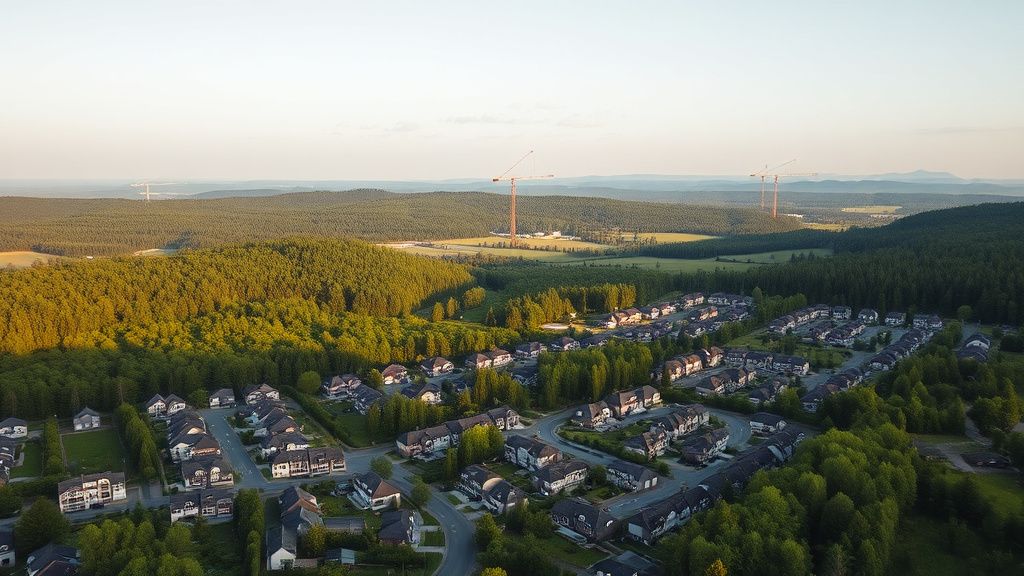
In cities like Duluth, Minnesota, or parts of Upstate New York, we are observing the early stages of climate gentrification. Investors are quietly buying up low-risk, inland properties. This isn't just about "pleasant weather"; it’s about "insurability."
I recently spoke with a consultant working for a mid-sized developer in the Northeast. They noted that their underwriting for new multi-family projects now includes a mandatory "Insurance Sustainability Stress Test." If a property cannot maintain a profitable rent-to-insurance ratio over a 15-year horizon, the project is killed at the feasibility stage.
"We aren't looking at the neighborhood appeal anymore. We’re looking at the FEMA flood maps, the wildfire ignition probability, and the proximity to critical infrastructure that might fail during a heatwave. If the insurance premium is projected to eat 25% of the Net Operating Income, the deal is dead."
This creates a new "Digital Divide." Those who can afford the "climate-resilient" premium remain in coastal, high-value zones, while those who cannot are pushed further inland, often into areas that lack the infrastructure to support rapid population influxes.