
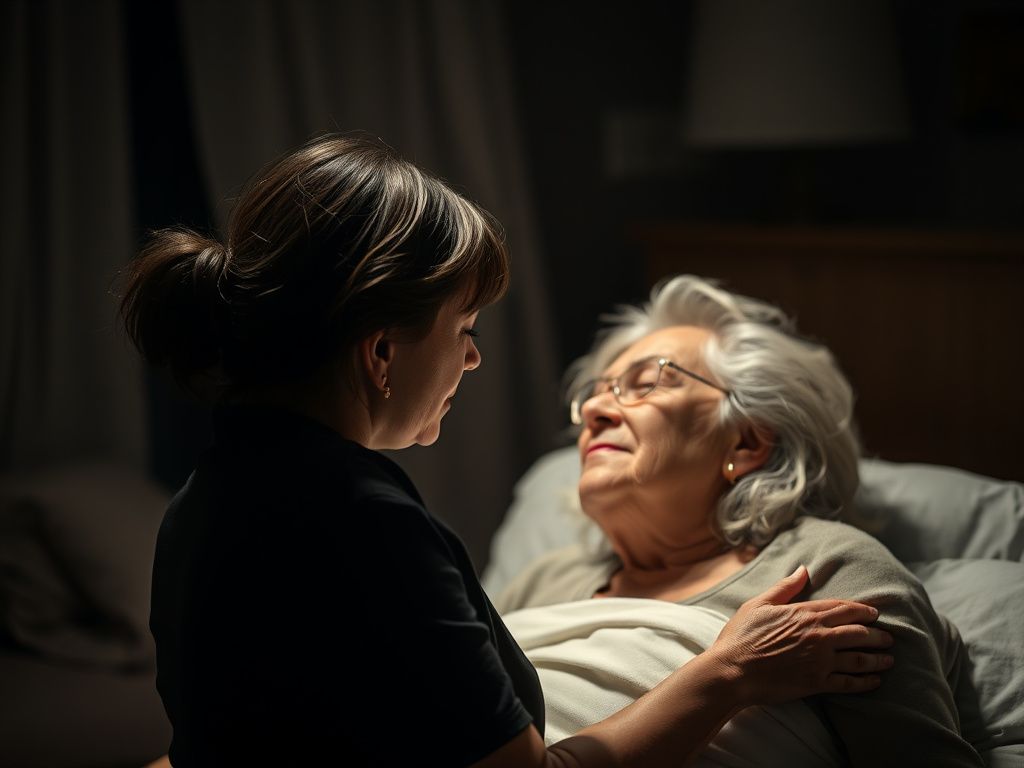
To become a certified death doula and launch a business in a small town, focus on three core areas: education, business formalization, and community integration. First, complete a comprehensive end-of-life doula training program from a reputable organization like NEDA or INELDA. Next, establish your business legally and obtain professional liability insurance. Finally, build trust through hyper-local networking with hospices, funeral homes, and community leaders, as word-of-mouth is paramount in a small-town setting.
The role of a death doula, or end-of-life guide, is a profound calling. It is a service rooted in compassion, presence, and practical support for individuals and their families navigating the final stages of life. In sprawling urban centers, this profession is gaining recognition. But in a small town, where community ties are the very fabric of daily life, the potential for a death doula to make a deep, lasting impact is immense. This is not just a business; it's a commitment to your neighbors in their most vulnerable moments.
This guide will walk you through the essential steps, from foundational training to building a sustainable and respected practice in a close-knit community.
Understanding the Role: A Non-Medical Companion
Before embarking on this path, it's critical to understand what a death doula is and, just as importantly, what a death doula is not.
An end-of-life doula is a non-medical professional trained to care for a person holistically—emotionally, spiritually, and practically—at the end of life. We are companions, advocates, and educators. Think of us as a layer of support that complements the work of family, friends, and medical professionals.
Our services are not medical. We do not administer medication, perform clinical tasks, or give medical advice. We work in tandem with, not in place of, hospice care and palliative support teams.
Key responsibilities often include:
- Emotional and Spiritual Support: Simply being present, listening without judgment, and holding a safe space for fears, regrets, and hopes.
- Legacy Projects: Helping the dying person create a meaningful record of their life, such as a memory book, audio recording, or collection of letters.
- Vigil Planning: Working with the individual and family to create a plan for the final days and hours, ensuring their wishes for the environment (music, lighting, attendees) are honored.
- Practical Support: Assisting with organizing personal affairs, coordinating family communication, or simply sitting with the person to provide respite for exhausted caregivers.
- Grief Support: Offering comfort and guidance to the family before, during, and immediately after the death.
This holistic approach fills the gaps that the medical system, by its very nature, often cannot address.
The Path to Certification: Choosing Your Training Program
While there is no single, federally mandated governing body for death doulas in the United States, obtaining a certification from a reputable organization is essential for credibility and competence. The quality of your education directly impacts the quality of care you can provide.
Experts note that the most effective programs blend theoretical knowledge with practical application. When evaluating end-of-life doula training programs, consider these factors:
- Reputation and Accreditation: Look for well-established organizations. The National End-of-Life Doula Alliance (NEDA), the International End-of-Life Doula Association (INELDA), and university-based programs like the one at the University of Vermont are considered industry leaders.
- Curriculum Depth: A comprehensive curriculum should cover topics like the dying process, family dynamics, ethical considerations, cultural competency, active listening, advanced care planning, and self-care for the doula.
- Practical Components: Does the program include mentorship, role-playing, or a practicum? Real-world experience is invaluable.
- Community and Ongoing Support: Does the organization offer a network of graduates for continued learning and peer support? This is crucial for navigating difficult cases and avoiding burnout.
The investment in training typically ranges from $600 to over $3,000, depending on the program's length and format. See it not as an expense, but as the foundation of your professional practice.
Building Your Small-Town Business: From Foundation to First Client
Launching any business requires careful planning. In a small town, your business strategy must be built on a foundation of trust and personal relationships.