
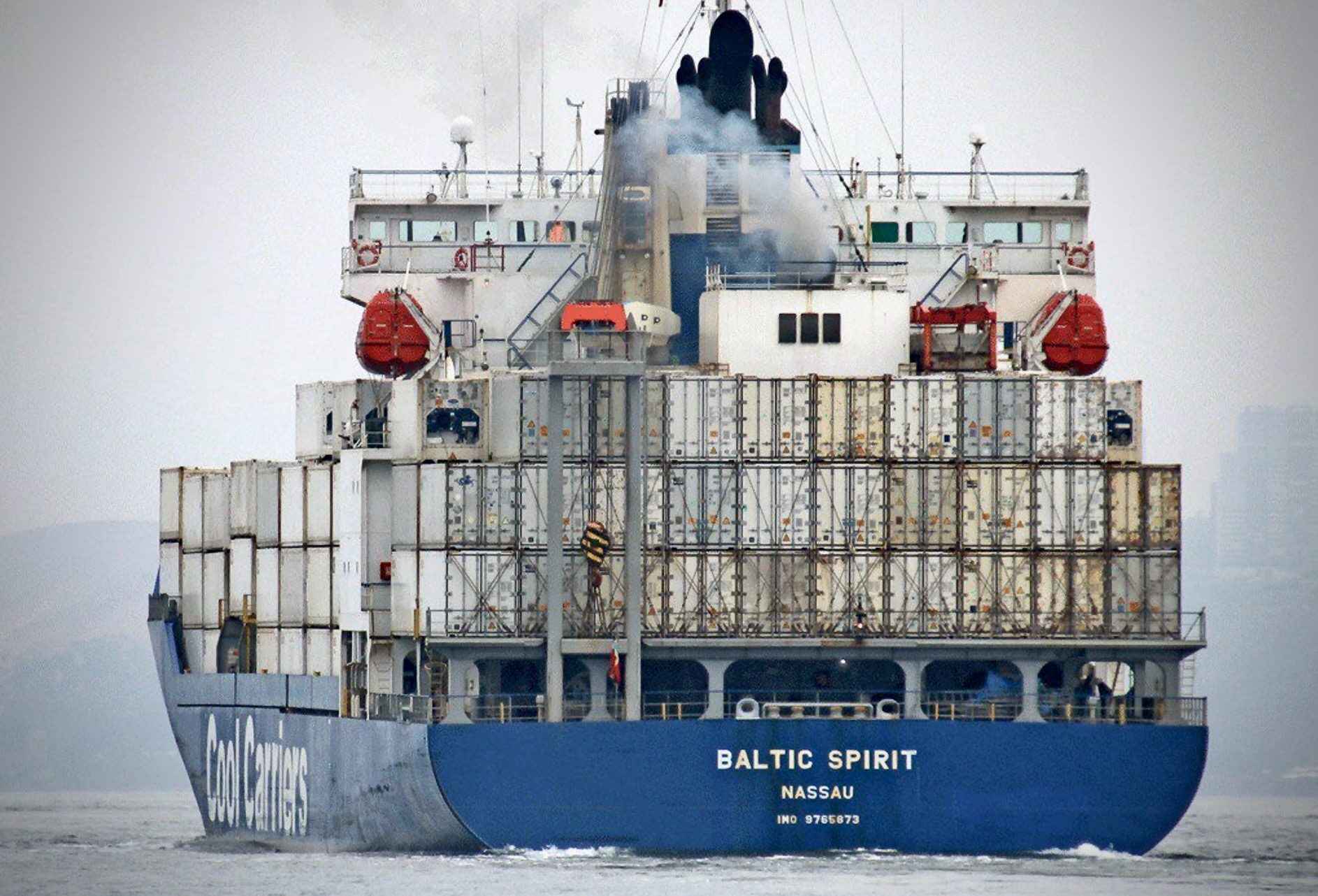
A quiet tension is building in supermarkets around the world, a direct result of a geopolitical standoff unfolding in the Baltic Sea. For the last three weeks, Russian naval "live-fire exercises" have created a de facto blockade, effectively sealing the Gulf of Finland and choking off traffic through the Danish Straits.
The move has severed a critical artery for global trade in grain and, more importantly, fertilizer. The impact is already being felt, pushing global food prices to their highest levels since the post-pandemic surge of 2022. This isn't just another supply chain problem; it's the deliberate use of food security as a strategic weapon.
Sources at major commodity trading firms in Geneva and Singapore describe panic-buying in the global markets for potash and nitrogen fertilizer. "What we are witnessing is a full-blown supply seizure," explained a senior analyst at a leading agricultural fund, who spoke on the condition of anonymity. "The Baltic is not the Suez Canal, but for specific, life-sustaining commodities, it might as well be. We've lost immediate access to a staggering percentage of the world's fertilizer exports in one move."
The Fertilizer Choke Point
While trapped grain shipments from Poland and the Baltic states are an immediate concern, the real crisis lies with a more fundamental component of the global food system: fertilizer. Russia is a world-leading exporter of nitrogen-based fertilizers and a key supplier of potash and phosphate. Its landlocked ally, Belarus, has long exported its vast potash production—which is essential for crop growth—through the Lithuanian port of Klaipėda.
The blockade has slammed that door shut.
Taking this much Russian and Belarusian fertilizer off the market at once triggers a devastating domino effect. Farmers thousands of miles away now face difficult decisions. Agricultural powerhouses like Brazil, which depend heavily on these imports for their vast soybean and corn fields, are scrambling to find alternative suppliers. But there are no easy replacements. Canada, another major potash producer, can't instantly increase production and shipping to cover such a colossal shortfall.
The result is a global bidding war. In the last 20 days, spot market prices for potash have shot up by over 200%. Ammonia, a key ingredient in nitrogen fertilizer, has seen a similar spike. This isn't just an abstract number on a trading screen; it directly increases the cost of growing every bushel of wheat, every ear of corn, and every bag of rice for the 2027 harvest.
Agricultural economists are sounding the alarm. "We are past the point of a simple price spike," Dr. Aris Thorne, a professor of Global Food Security at Wageningen University, said in a secure call. "The decisions farmers make in the next three months, based on unaffordable or unavailable fertilizer, will determine the volume of the global harvest next year. We are looking at a potential yield crisis."
Consumers are already feeling the pinch from rising food production costs, adding to the inflationary pressures that have lingered for several years.