
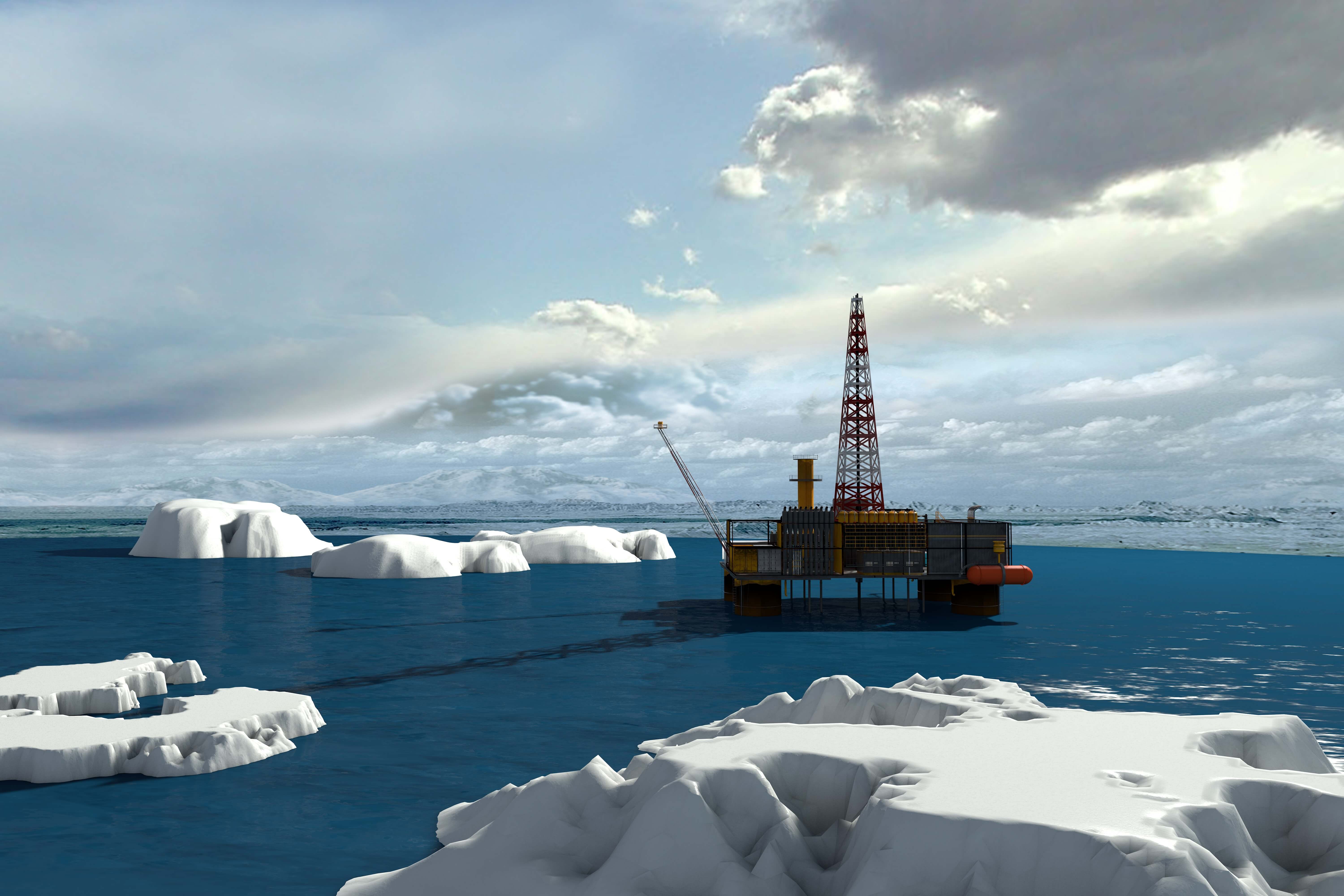
The atmosphere hanging over the Barents Sea feels profoundly different now. There’s a distinct chill in the air, a cold not purely from the ice, despite its retreat. It’s the palpable chill of steel and deep suspicion. Just three weeks ago, a Russian nuclear-powered icebreaker named Arktika, busy guiding a convoy of LNG tankers, found itself shadowed for 72 intense hours. Its shadow was none other than the USS Stout, an Arleigh Burke-class destroyer from the U.S. Navy, engaged in what the Pentagon described as a "freedom of navigation exercise." These powerful vessels came unnervingly close, within a mere nautical mile of each other, in a contested area of seabed north of the Franz Josef Land archipelago. No shots were fired, and no overt hostile maneuvers were executed. Yet, a clear message was undeniably sent and received across those frigid waters: the Arctic is no longer merely a remote expanse dotted with scientific outposts. It has unequivocally become the 21st century's most pivotal geopolitical battleground, and the strategic pieces are very much in motion.
This isn't just a shift; it's a welcome to a new kind of Cold War. Unlike its ideological predecessor, this conflict is centered entirely on access. Access to invaluable resources, to critical new shipping lanes, and to strategic positions in a world rapidly being reshaped by our warming climate. For many decades, the immense, frozen cap of our planet served as a natural buffer, a nearly impenetrable barrier separating nations. But by 2026, that once formidable barrier has undeniably transformed into an active battleground.
A Treasure Chest Unlocked by Degrees
The sheer magnitude of what's at stake here is truly staggering. According to a widely cited assessment by the U.S. Geological Survey, the Arctic region could hold as much as 13% of the world's still-undiscovered conventional oil and a colossal 30% of its undiscovered natural gas. However, the accelerating scramble of 2026 goes far beyond just fossil fuels. Ambitious deep-sea mining corporations, with significant backing from state capital, are diligently mapping seabeds that are thought to be exceptionally rich in vital minerals like nickel, cobalt, and rare earth elements—these are the fundamental building blocks not only of the burgeoning green energy transition but also of advanced military technologies.
"Every nation is currently grappling with a severe resource crunch and a cascading supply chain crisis," observes Dr. Alena Petrova, a senior fellow at the Arctic Institute in Washington D.C. "The Arctic presents a potential strategic reserve of everything from crucial hydrocarbons to the specific minerals absolutely necessary for EV batteries. The profound tragedy in all of this is that the very climate change that is unlocking these resources is precisely what we need these minerals to combat. It's an incredibly vicious geopolitical cycle that we find ourselves in."
And then, there are the shipping routes, which represent another immense prize. The Northern Sea Route (NSR), which conveniently hugs the Russian coastline, stands out as the absolute crown jewel among them. A single voyage from bustling Shanghai to major European hub Hamburg via the NSR can slash travel time by nearly 40% when compared to the well-established, but longer, Suez Canal route. Insider reports indicate that by late 2025, Russia had already collected over $800 million in transit and icebreaker escort fees, effectively transforming this vital route into its own strategic tollbooth. Similarly, the Northwest Passage (NWP), which carves its way through the intricate Canadian archipelago, offers a comparable, though often more challenging, reward.
The economic and strategic forces are unequivocally pulling northward. We are witnessing the most significant reorientation of maritime trade and military presence since the historic opening of the Panama Canal. This dramatic shift is unfolding at a pace far quicker than our existing treaties and diplomatic frameworks can effectively keep up with.
The Chess Masters and Their Moves
While the Arctic littoral states have historically been the primary players on this northern stage, their carefully orchestrated game has now been dramatically gatecrashed by a rising global superpower.
Russia: Moscow profoundly views the Arctic as both its undeniable birthright and its essential future. Boasting the longest Arctic coastline, the world's sole fleet of nuclear-powered icebreakers, and a meticulously revitalized network of Soviet-era military bases, Russia has firmly established itself as the region's dominant hegemon. It has systematically deployed advanced S-400 air defense systems and powerful Bastion anti-ship missiles, effectively creating a formidable anti-access/area denial (A2/AD) bubble over vast and crucial swathes of the Northern Sea Route. Russia's central claim in the region is steadfastly rooted in principles of sovereignty and unwavering national security.
United States & NATO: For many years, Washington was widely criticized for what some termed "ice-blindness" – a perceived lack of attention to the Arctic. However, that era has definitively passed. The U.S. Navy's updated "A Blue Arctic" strategy, unveiled in 2024, signaled an unequivocal and dramatic pivot in American policy. Joint naval exercises with allies like Norway, the UK, and Canada have now become a near-constant and visible presence. The U.S. Coast Guard, long constrained by its two aging heavy icebreakers, has finally seen the first of its new, advanced "Polar Security Cutters" enter service, though it still remains decades behind Russia's substantial fleet. The core American posture revolves around upholding freedom of navigation, a stance that directly challenges both Russian and Canadian assertions that their respective northern passages constitute internal waters.
China: Beijing, strategically positioning itself as a "near-Arctic state," is executing a remarkably patient, long-term strategy in the region. Lacking any direct geographic claim, China has opted for a comprehensive approach built on economic and scientific influence. Its ambitious "Polar Silk Road" initiative has led to Chinese state-owned enterprises investing billions in various ventures, including significant Russian LNG projects, critical mining exploration in Greenland, and crucial port infrastructure in Iceland. Chinese research vessels, such as the impressive Xue Long 2, are a common sight across Arctic waters, ostensibly for climate research but widely understood to be diligently mapping the seabed for potential resources and future submarine routes. Their partnership with Russia in the region represents a pragmatic alliance of convenience, primarily aimed at counterbalancing broader Western influence.