
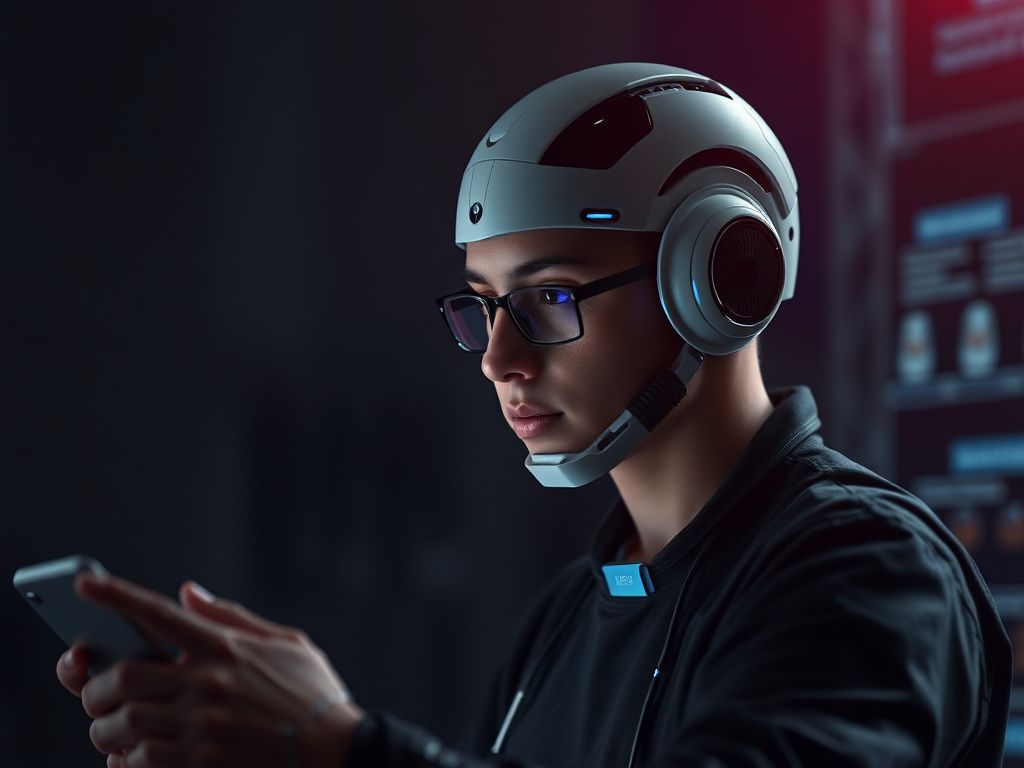
Want to make sure your career thrives in the AI-powered world of 2030? The secret is to shift your focus from simply doing tasks that can be automated to becoming the conductor of AI-driven systems. This means building a unique blend of skills: not only mastering things like understanding data and crafting effective AI prompts, but also nurturing those truly human qualities that AI can't replicate, such as tackling complex problems, understanding emotions, and genuine creativity.
For far too long, discussions about artificial intelligence and the future of our jobs have been stuck in a "human versus machine" mindset – a zero-sum game. This, frankly, is a profound strategic misstep. As someone who has guided numerous organizations through digital transformations, I can tell you that the true challenge isn't battling the algorithms; it's avoiding obsolescence. The professionals who will truly excel in the next ten years won't be those trying to outperform a machine at its own game. Instead, they'll be the ones who can guide, interpret, challenge, and creatively apply what those machines produce. Your new, urgent goal should be to transform yourself from someone who just completes tasks into an AI orchestrator.
Imagine the journey of a commercial airline pilot. In the early days, flying was all about raw skill, intuition, and a deep mechanical feel. Fast forward to today, and autopilots and sophisticated flight management systems manage about 90% of the flight. So, is the pilot now obsolete? Absolutely not. Their role has, in fact, been elevated significantly. They've become expert system managers, meticulous risk assessors, and crucial decision-makers for those rare, complex situations that automated systems simply can't handle. Your career path is poised to follow a very similar trajectory.
The Foundational "Hard" Skills for the AI Era
While we often hear about the growing importance of "soft skills" – and they are crucial – these must sit on a strong foundation of new, practical technical competencies. We're not talking about becoming a deep-learning engineer in a week; rather, it's about building a solid, functional understanding of the language and operational logic that underpins modern business.